Periodontal disease, commonly known as gum disease, affects millions of people worldwide. From mild gingivitis to severe periodontitis, it can lead to swollen gums, bleeding, and even tooth loss if left untreated. While proper brushing and flossing are essential, using the right mouthwash can be a game-changer in protecting your gums and maintaining oral health. This guide explores the best mouthwash for gum disease, its key benefits, and expert tips for selecting and using it effectively to keep your smile healthy and strong.
Best Mouthwash for Gum Disease: Quick Reference Table
| Topic | Short Details |
|---|---|
| Gum Disease | Infection of gums caused by plaque. |
| Early Stage | Gingivitis. |
| Advanced Stage | Periodontitis. |
| Main Cause | Poor oral hygiene. |
| Risk Factors | Smoking, diabetes, hormones. |
| Mouthwash Purpose | Reduces bacteria and plaque. |
| Best Feature | Antibacterial action. |
| Chlorhexidine | Treats severe gum issues. |
| CPC | Fights harmful bacteria. |
| Tea Tree Oil | Natural antibacterial. |
| Aloe Vera | Soothes inflamed gums. |
| Green Tea Extract | Supports gum healing. |
| Fluoride | Strengthens teeth. |
| Alcohol-Free | Gentle on gums. |
| pH-Balanced | Supports oral health. |
| Therapeutic Mouthwash | Targets gum disease. |
| Herbal Mouthwash | Natural gum care. |
| Fluoride Mouthwash | Protects teeth and gums. |
| Daily Use | Usually twice a day. |
| Rinsing Time | 30–60 seconds. |
| Wait After Use | 30 minutes. |
| Main Benefit | Reduces plaque. |
| Fresh Breath | Removes odor-causing bacteria. |
| Common Mistake | Skipping brushing and flossing. |
| Expert Tip | Choose ADA-approved formulas. |
Understanding Gum Disease and Its Causes
Gum disease, also known as periodontal disease, is a common oral health issue affecting millions worldwide. It begins with plaque buildup, which irritates the gums and can progress to inflammation, bleeding, and even tooth loss if left untreated. Poor oral hygiene, smoking, hormonal changes, diabetes, and certain medications increase the risk of developing gum disease.
Using a high-quality mouthwash is a key step in controlling bacterial growth, reducing inflammation, and protecting your gums from long-term damage. But with so many options on the market, choosing the right one can be challenging.
Expert Review and UK Oral Health Guidance
According to the UK National Health Service (NHS), mouthwash can support gum health, but it should never replace brushing twice daily with fluoride toothpaste and flossing or using interdental brushes to clean between the teeth. Bleeding, swollen, or painful gums are common signs of gum disease and should be assessed by a dentist if symptoms persist.
The Oral Health Foundation also advises that mouthwash is an additional tool, not a substitute for good oral hygiene. A clinically proven mouthwash may help reduce plaque and support healthier gums when used alongside proper brushing and interdental cleaning.
For readers with gingivitis or early gum disease, professional dental advice remains essential because mouthwash alone cannot remove hardened plaque (tartar) or treat advanced periodontal disease.
What the NHS Recommends for Gum Disease?
The NHS advises the following steps to help prevent and manage gum disease:
- Brush twice daily using fluoride toothpaste.
- Clean between teeth every day using floss or interdental brushes.
- Attend regular dental check-ups and hygienist appointments.
- Avoid smoking, which significantly increases gum disease risk.
- Do not rely on mouthwash as a replacement for brushing and interdental cleaning.
The NHS also recommends avoiding mouthwash immediately after brushing because it can wash away the concentrated fluoride left behind by toothpaste. Instead, use mouthwash at a different time of day, such as after lunch.
Essential Qualities to Consider When Choosing a Mouthwash for Gum Disease
When selecting a mouthwash to combat gum disease, several features are essential for maximum effectiveness:
- Antibacterial Properties: Look for mouthwashes containing chlorhexidine, methylpyridinium chloride, or essential oils. These ingredients help reduce harmful bacteria that cause gum infection.
- Anti-Inflammatory Ingredients: Mouthwashes with aloe vera, chamomile, or green tea extract help soothe inflamed gums and prevent further irritation.
- Fluoride Protection: Fluoride strengthens teeth, prevents cavities, and supports overall oral health.
- Alcohol-Free Formulation: Alcohol can dry out the mouth, worsening gum problems. Alcohol-free options are gentler and ideal for sensitive gums.
- pH-Balanced Formula: Maintaining a healthy oral pH helps reduce bacterial growth and promotes gum healing.
Top Types of Mouthwash for Gum Disease
1. Therapeutic Mouthwash
Therapeutic mouthwashes are formulated to address specific oral health concerns, including gum disease. They often contain antibacterial agents, such as chlorhexidine or essential oils, to reduce plaque and inflammation. Regular use can help prevent gingivitis and stop the progression of periodontal disease. We break this down further in Bindweed in UK Gardens.
2. Natural or Herbal Mouthwash
Herbal mouthwashes utilize natural extracts such as neem, tea tree oil, or aloe vera. These ingredients provide antibacterial and anti-inflammatory benefits without harsh chemicals. For those seeking a gentler alternative to medicated mouthwashes, natural options are ideal.
3. Fluoride Mouthwash
Fluoride mouthwashes help strengthen enamel while supporting gum health. By preventing tooth decay, these mouthwashes reduce the risk of complications associated with gum disease. Combining fluoride with antibacterial ingredients creates a powerful oral care solution.
Chlorhexidine Mouthwash: When Is It Appropriate?
Chlorhexidine-based mouthwashes, such as products containing the active ingredient found in Corsodyl, are often recommended for short-term management of gum disease and oral infections. The NHS notes that chlorhexidine can help reduce bacteria in the mouth and may be useful for gum disease, mouth ulcers, and other oral health conditions.
However, chlorhexidine is generally intended for short-term use because side effects may include:
- Tooth staining
- Changes in taste
- Increased tartar build-up
- Mouth irritation in some users
For long-term gum health, dentists typically focus on plaque removal, improved brushing technique, interdental cleaning, and professional treatment where required.
How to Use Mouthwash Effectively for Gum Disease?
- Follow the Instructions: Always read the label for recommended dosage and frequency. Most therapeutic mouthwashes are used twice daily.
- Measure Correctly: Use the provided cap or measuring cup to avoid overuse. Excessive mouthwash use may irritate your gums.
- Swish Thoroughly: Rinse for at least 30-60 seconds to allow the active ingredients to reach all areas of your mouth.
- Avoid Eating or Drinking: Wait at least 30 minutes after using mouthwash to maximize its effectiveness.
- Combine With Good Oral Hygiene: Brushing twice daily, flossing, and regular dental checkups enhance the benefits of mouthwash.
Recommended Products for “Best Mouthwash for Gum Disease”
| Product | Active ingredient | Best For | Approx. UK Price |
|---|---|---|---|
| Corsodyl Treatment Mouthwash (0.2% Chlorhexidine) | Chlorhexidine digluconate | Active gingivitis | £7–£11 |
| Corsodyl Gum Strengthen & Protect | Hyaluronic acid + fluoride | Daily prevention | £4–£6 |
| Listerine Total Care Zero | Essential oils + fluoride | Everyday plaque control | £4–£6 |
| CB12 Mouthwash | Zinc acetate + chlorhexidine diacetate | Gum health & bad breath | £8–£12 |
| UltraDEX Daily Oral Rinse | Stabilised chlorine dioxide | Sensitive mouths & breath | £5–£8 |
1. Corsodyl Treatment Mouthwash (0.2% Chlorhexidine)
Best for: Treating early gum disease and bleeding gums
This is one of the most commonly recommended short-term mouthwashes for gingivitis in the UK. It contains 0.2% chlorhexidine digluconate, an antiseptic that helps reduce plaque bacteria and gum inflammation. It is intended for short-term use only, as prolonged use can cause temporary staining of teeth and altered taste.
Pros
- Clinically proven for gingivitis
- Highly effective against plaque bacteria
- Alcohol-free
- Widely available
Cons
- Temporary tooth staining
- Can alter taste perception
- Not suitable for long-term daily use
Approx. price: £7–£1
2. Corsodyl Gum Strengthen & Protect
Best for: Everyday gum protection
Unlike the treatment version, this daily mouthwash is formulated for ongoing use. It contains fluoride and hyaluronic acid to help strengthen the gum seal while reducing plaque build-up.
Pros
- Suitable for daily use
- Alcohol-free
- Contains fluoride
- Fresh taste
Cons
- Less potent than chlorhexidine for active gum disease
- Results take longer to notice
Approx. price: £4–£6
3. Listerine Total Care Zero
Best for: Daily plaque control
This alcohol-free formulation combines fluoride with antimicrobial ingredients to help reduce plaque while protecting enamel. It is a good maintenance option once active gum inflammation has been treated.
Pros
- Alcohol-free
- Helps strengthen enamel
- Freshens breath
- Suitable for long-term use
Cons
- Not a substitute for chlorhexidine treatment
- May not be sufficient for active gingivitis alone
Approx. price: £4–£6
4. CB12 Mouthwash
Best for: Gum health with persistent bad breath
CB12 combines zinc salts with a low level of chlorhexidine derivative to neutralise volatile sulphur compounds responsible for bad breath while supporting oral hygiene.
Pros
- Excellent breath control
- Gentle enough for regular use
- Alcohol-free
Cons
- More expensive than standard mouthwashes
- Not designed to treat advanced gum disease
Approx. price: £8–£12
5. UltraDEX Daily Oral Rinse
Best for: Sensitive gums and long-term maintenance
UltraDEX uses stabilised chlorine dioxide to help control odour-causing bacteria without alcohol. It is often recommended for people who want a gentler daily rinse.
Pros
- Alcohol-free
- Gentle on sensitive mouths
- Effective for bad breath
- Suitable for daily use
Cons
- Less effective than chlorhexidine for active gingivitis
- Premium price
Approx. price: £5–£8
Common Ingredients in the Best Mouthwash for Gum Disease
Understanding the key ingredients can help you make an informed choice:
- Chlorhexidine: Clinically proven to reduce plaque and gingivitis. Often prescribed for severe gum disease.
- Cetylpyridinium Chloride (CPC): An effective antibacterial agent found in many over-the-counter mouthwashes.
- Essential Oils: Ingredients such as thymol, eucalyptol, and menthol have antibacterial and anti-inflammatory effects.
- Aloe Vera and Green Tea Extracts: Reduce inflammation and promote gum healing.
- Fluoride: Strengthens teeth and prevents decay, supporting overall gum health.
Benefits of Using Mouthwash for Gum Disease
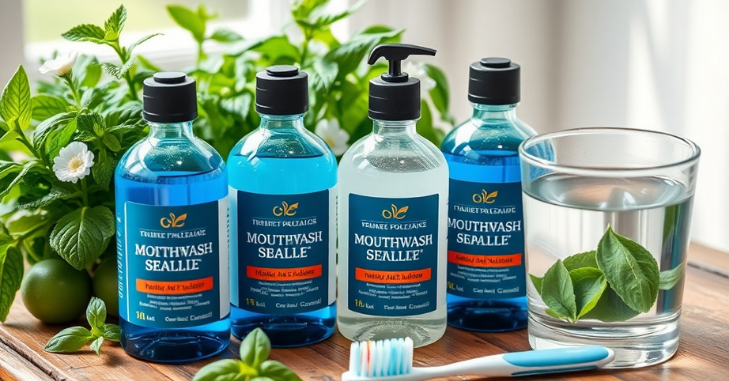
Regular use of the right mouthwash offers multiple benefits:
- Reduces plaque buildup that causes gingivitis and periodontitis.
- Fights bacterial infection in hard-to-reach areas.
- Soothes inflamed gums and prevents bleeding.
- Freshens breath and removes odor-causing bacteria.
- Enhances overall oral hygiene when used alongside regular brushing and flossing.
Mistakes to Avoid When Using Mouthwash
Even with the best mouthwash, improper use can limit its effectiveness:
- Overusing Mouthwash: Using it more than recommended can irritate the mouth.
- Ignoring Other Oral Hygiene Practices: Mouthwash should complement brushing and flossing, not replace them.
- Choosing Alcohol-Based Mouthwashes: These can dry out gums and worsen sensitivity.
- Using the Wrong Type for Your Condition: Not all mouthwashes are formulated to target gum disease, so choose wisely.
Expert Verdict
A good mouthwash can be a useful addition to a gum-health routine, but it should not be viewed as a standalone treatment. The strongest evidence supports combining:
- Twice-daily brushing with fluoride toothpaste.
- Daily interdental cleaning.
- Regular dental check-ups.
- A clinically proven mouthwash when appropriate.
For short-term management of gingivitis, dental professionals may recommend chlorhexidine-based products. For everyday use, many dentists prefer alcohol-free fluoride mouthwashes designed to reduce plaque while supporting long-term oral health.
Expert Tips for Choosing the Best Mouthwash for Gum Disease

Dental experts recommend considering the following when selecting a mouthwash:
- Check for ADA (American Dental Association) approval or certification.
- Choose alcohol-free formulas for sensitive gums.
- Look for mouthwashes with antibacterial and anti-inflammatory properties.
- Check product reviews and consult your dentist for tailored recommendations.
Conclusion
Choosing the right mouthwash is a crucial step in preventing and managing gum disease. By selecting a product with antibacterial, anti-inflammatory, and fluoride properties, you can protect your gums, reduce plaque, and maintain a healthy, confident smile. Remember, mouthwash works best when combined with proper brushing, flossing, and regular dental checkups. With consistent care, it is possible to heal gums, prevent periodontal problems, and enjoy long-term oral health.
Want to know about 100-day cough in the UK: A Historical Overview and Modern Public Health Challenges of Whooping Cough Check out our Health category.
Frequently Asked Questions (FAQs)
No, mouthwash cannot completely cure gum disease on its own. It helps reduce bacteria, plaque, and inflammation, but should be used alongside regular brushing, flossing, and professional dental care for effective results.
Most therapeutic mouthwashes are recommended for twice-daily use. Always follow the instructions on the label or consult your dentist to avoid overuse, which can irritate the gums.
Yes, alcohol-free formulas are gentler on sensitive gums and prevent dryness, irritation, and worsening of gum problems compared to alcohol-based mouthwashes.
With consistent use of a suitable mouthwash, noticeable improvements such as reduced bleeding, less inflammation, and healthier gums may appear within 1–2 weeks.
Yes, daily use is safe if you follow the recommended dosage and choose a formula suitable for your gum sensitivity. Avoid overuse or alcohol-based formulas if your gums are sensitive.