100-day cough in the UK
100-day cough in the UK has become a growing concern since 2023, with over 2,500 confirmed cases reported nationwide. Caused by Bordetella pertussis, this illness affects infants under six months and seniors over 60 most severely. It begins with cold-like symptoms and progresses to intense, persistent coughing that can last up to 100 days. Cities like London, Birmingham, and Manchester remain hotspots.
The 100-day cough in the UK spreads rapidly through droplets and requires prompt treatment, vaccination, and hygiene. NHS vaccination programs, antibiotics, and awareness campaigns have become essential tools in managing outbreaks and reducing long-term health and economic impacts across the UK.
| Basics | Key Info |
| Cause | Bordetella pertussis bacteria |
| Hotspots | London, Birmingham, Manchester |
| High Risk | Babies <6 months, seniors >60 |
| Early Signs | Cold-like: sneeze, mild fever |
| Main Symptom | Prolonged, severe coughing with “whoop” |
| Duration | 60–100 days |
| Spread | Cough/sneeze droplets |
| Contagious | Most infectious in the first 2 weeks |
| Vaccine Age | 8, 12, 16 weeks + pregnancy dose |
| Coverage | UK average 92% (2023) |
| Hygiene | Wash hands, mask, isolate |
| Antibiotics | Best within 10 days |
| At-Home Care | Rest, fluids, humidifier |
| Severe Cases | May need oxygen/hospital |
| Impact | Missed work/school, stress |
| Case Spike | 2,500+ UK cases in 2023 |
What Causes a 100-Day Cough in the UK?
The leading cause of the 100-day cough in the UK is the bacterium Bordetella pertussis. Infections are most common in densely populated areas such as London, Birmingham, and Manchester, where close contact is frequent. Public Health England has reported an increase in cases since 2023, with spikes during the colder months. Infants under six months and adults over sixty remain the most vulnerable. Detecting the illness early helps reduce severe outcomes and prevents the spread across communities.
Symptoms
For symptoms, 100-day cough in the UK, Starts with mild, cold-like symptoms such as sneezing, a slight fever, and a runny nose. These early symptoms often appear within 7–10 days after exposure, misleading families into thinking it’s just a cold.
- Progresses to severe coughing episodes with a distinctive “whoop” sound that worsens at night.
- It can lead to vomiting, exhaustion, and disturbed sleep cycles.
- Symptoms typically last between 60 and 100 days, significantly impacting daily tasks.
- Quick GP consultation ensures better outcomes and earlier treatment options.
Complications and Risks of the 100-Day Cough in the UK
The 100-day cough in the UK can lead to serious complications if left untreated, particularly in vulnerable groups such as infants and older adults. Severe coughing fits may cause breathing difficulties, chest infections, weight loss, and dehydration due to repeated vomiting. In babies, the condition can sometimes result in pneumonia or seizures, requiring urgent hospital care. Early diagnosis and medical intervention are essential to reduce these risks and prevent long-term health complications.
How it Spreads?
In 100 day cough in the UK, Transmission occurs through droplets released by coughing or sneezing, especially in crowded environments such as schools or public transport in major UK cities.
- Outbreaks were noted in 2022 in schools across Yorkshire, where clusters of cases spread rapidly.
- Highly contagious during the first two weeks, even before the full cough develops.
- Family members, particularly those in shared housing, are at high risk.
- Hygiene practices, such as wearing masks during outbreaks, significantly reduce transmission.
Prevention
Vaccination
For a 100-day cough in the UK, the whooping cough vaccine is offered as part of the NHS childhood immunisation programme, with doses given at 8, 12, and 16 weeks of age, and booster doses later. Pregnant women between 16 and 32 weeks are also advised to get vaccinated, protecting newborns. In 2023, the UK reported vaccination coverage of around 92%, though some regions fell below this level, highlighting the importance of maintaining widespread immunisation efforts.
Hygiene Practices
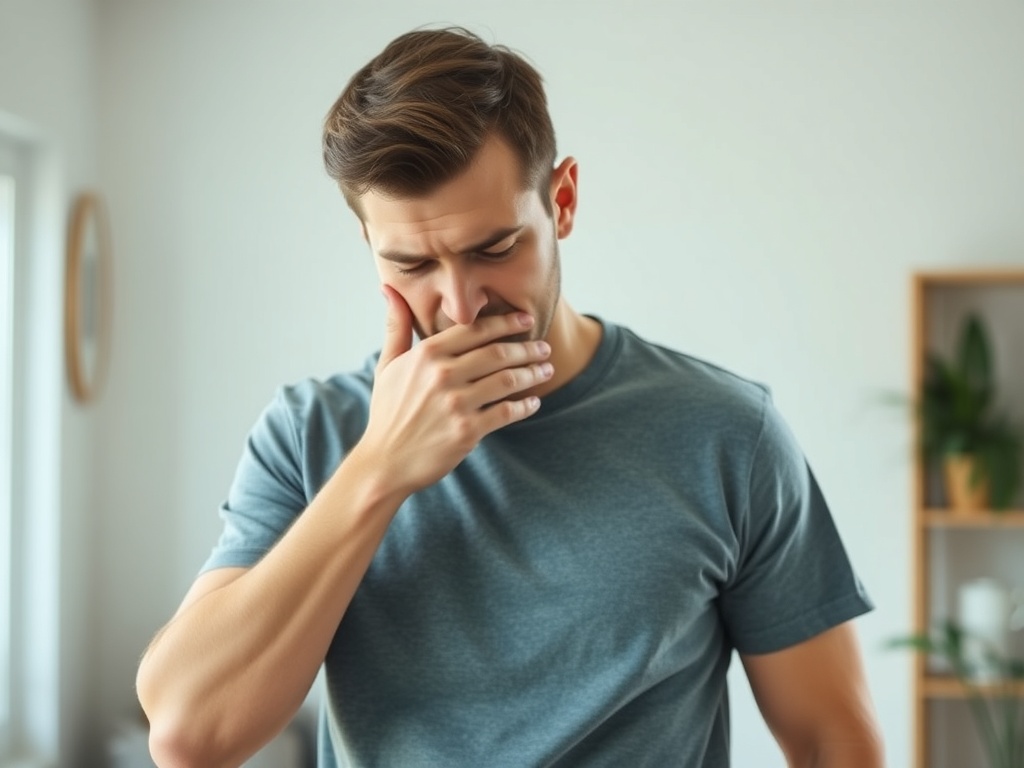
To avoid the 100-day cough in the UK, Hygiene measures provide crucial protection when combined with vaccination. Covering your mouth when coughing, washing your hands with soap for at least 20 seconds, and using sanitizer in public spaces significantly reduce risks. During outbreaks in 2022, schools in London implemented stricter hygiene campaigns, which helped lower the number of cases. Families are also advised to isolate infected members for at least five days after starting antibiotics to reduce the chance of passing the bacteria to others.
Treatment Options
Antibiotic Treatment
Antibiotics such as azithromycin and clarithromycin are typically prescribed for five to seven days in confirmed cases. They work best if started within the first three weeks of symptoms, limiting the bacteria’s ability to spread. NHS records from 2022 show quicker recoveries in patients treated within ten days of onset. Completing the whole course is essential to avoid relapses. Antibiotics may not stop the cough immediately, but they can reduce complications and protect close contacts.
Supportive Care
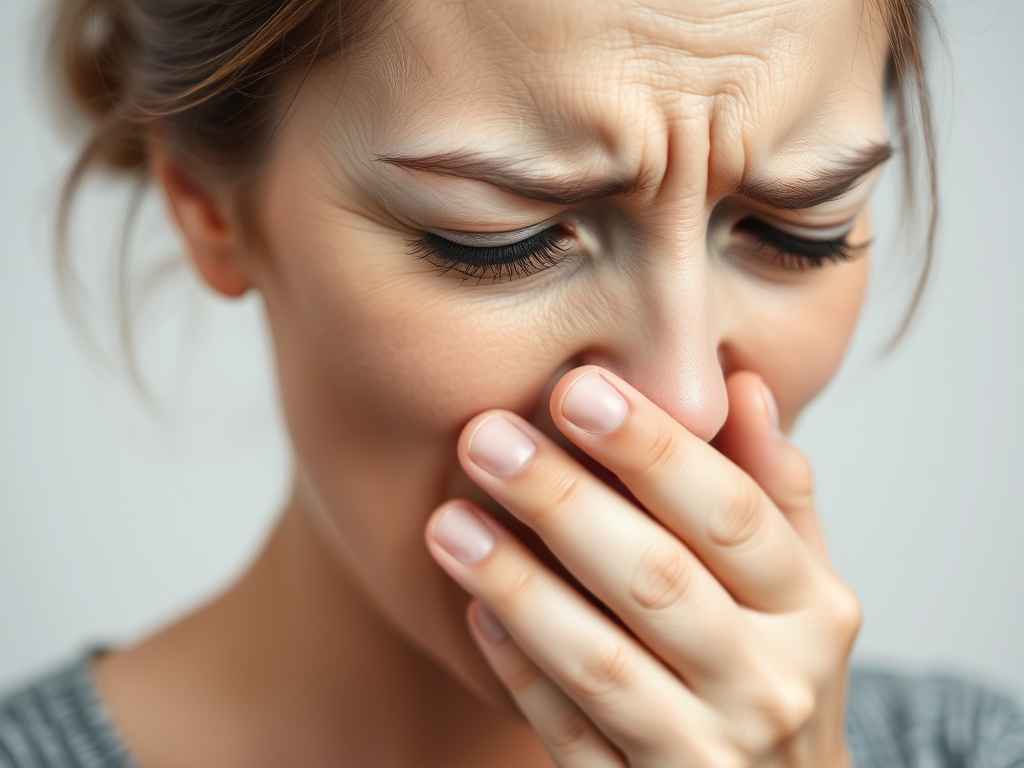
Supportive care remains vital in managing symptoms of a 100-day cough in the UK, especially when coughing fits disrupt sleep. Patients are encouraged to rest, drink plenty of fluids, and use humidifiers at home to ease breathing. In severe cases, particularly among infants, oxygen therapy and hospital monitoring are required. In 2023, Birmingham Children’s Hospital reported several admissions of under-six-month-olds needing respiratory support. With careful management and medical guidance, patients gradually recover while minimising stress on families and reducing risks of reinfection. When recovering from a lingering illness, many people turn to warm, savoury drinks — read whether Bovril is good for you.
Impact

This illness can severely affect daily routines across the UK. Persistent coughing, which can last up to 100 days, often leads to extreme tiredness and sleep deprivation. Students miss significant school days, with reports in 2022 showing some pupils in Manchester absent for nearly a month. Adults may face work disruptions, which can lower productivity. Families experience stress while caring for loved ones, while healthcare costs rise. Timely treatment and vaccination significantly reduce these long-term personal and economic impacts.
Rising Cases
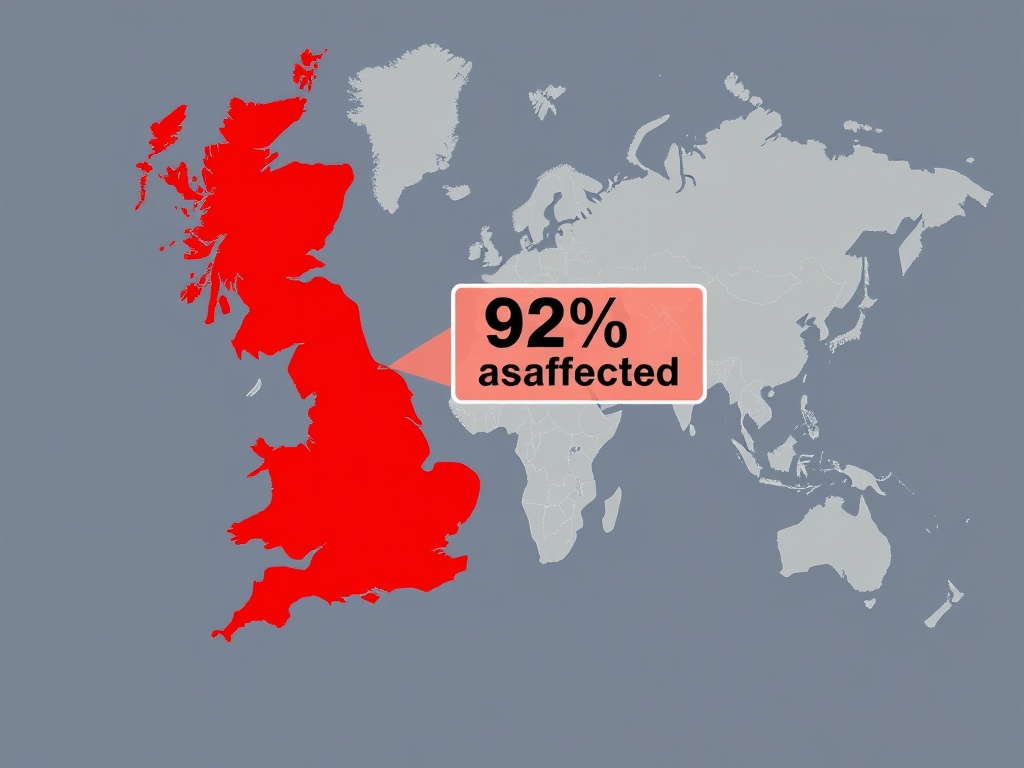
In 2023, health authorities recorded over 2,500 confirmed cases of 100-day cough in the UK, nearly double the numbers reported in 2021. Areas like London and Yorkshire reported the highest spikes, often linked to reduced vaccination uptake. Public Health England has urged stronger awareness campaigns and local vaccination drives. Seasonal peaks during winter also fuel the rise, making preventive action urgent. By tracking regional figures, NHS officials can implement targeted interventions and help keep communities safe from widespread outbreaks.
Conclusion
The 100-day cough in the UK continues to challenge public health with its long-lasting symptoms and rapid spread, especially in vulnerable age groups. Early detection, prompt antibiotic use, and high vaccination coverage are key to prevention. By maintaining proper hygiene and increasing awareness, communities across the UK can reduce transmission rates. Ongoing efforts from the NHS and local health bodies remain vital in controlling future outbreaks and protecting public well-being.
If you want to read an interesting article about it, explore our “Health” category.
FAQs
It’s a prolonged coughing illness caused by Bordetella pertussis, lasting up to 100 days, and often affects infants, seniors, and unvaccinated individuals across the UK.
It spreads through droplets released during coughing or sneezing, especially in close-contact environments such as public transportation, schools, or shared housing.
Initial signs mimic a mild cold—sneezing, runny nose, and low fever—before progressing into intense coughing spells with a characteristic “whoop” sound.