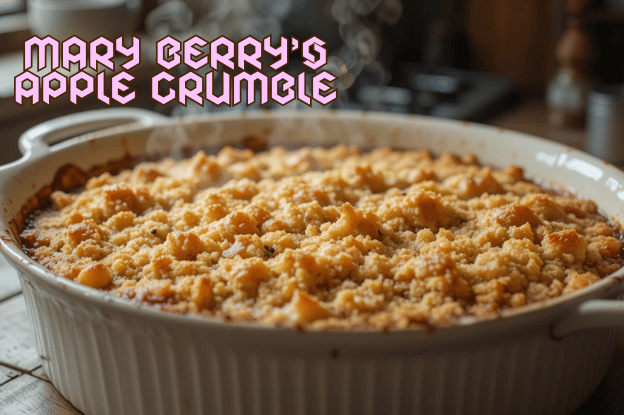
Mary Berry apple crumble is a simple British pudding of sliced Bramley apples, lightly sweetened and spiced, under a rubbed-in topping of plain flour, cold butter and sugar, baked at 180°C (160°C fan) for 35–45 minutes until golden and bubbling. The secret is in the technique rather than fancy ingredients: sharp apples, cold butter and a light hand when mixing.
This guide walks you through the classic easy BBC-style method, the baking tips that make the difference between a crisp and a soggy topping, and popular twists including walnut crumble, apple crumble cake and apple crumble cheesecake. For another classic British kitchen staple, read whether Bovril is good for you.
Mary Berry Apple Crumble at a Glance
| Aspect | Details | Tips and Variations |
|---|---|---|
| Classic recipe | Bramley apples, caster sugar, plain flour, cold unsalted butter, optional cinnamon or nutmeg | Bake at 180°C (160°C fan) for 35–45 minutes; serve with custard or ice cream |
| Baking tips | Right apples, cold butter, no overmixing, bake until bubbling | Chill the flour and bowl on warm days to keep the topping crisp |
| Walnut version | Roughly chopped walnuts stirred into the topping | Adds crunch and balances sweetness; lovely with crème fraîche |
| Apple crumble cake | Sponge base, sliced apples, crumble on top | Good for afternoon tea and bake sales; keeps for a few days |
| Apple crumble cheesecake | Biscuit base, cream cheese filling, spiced apple, crumble | A celebration pudding; chill well so it sets |
| Lighter or free-from | Plant-based spread, brown sugar or honey, oats or ground almonds | Check labels carefully if cooking for coeliacs |
| Serving | Warm custard, vanilla ice cream, Greek yoghurt | Reheat leftovers in the oven, not the microwave, to keep crunch |
Why Mary Berry Apple Crumble Is a British Classic
Mary Berry is known for recipes that are reliable, balanced and rooted in tradition, and her approach to apple crumble follows the same philosophy. Tender, lightly spiced fruit sits under a buttery topping that bakes to a golden finish. There are no complicated stages, no special equipment and very little that can go wrong if you follow a few basic rules.
What makes the dish so satisfying is the contrast of textures. Sharp Bramleys collapse into a soft, slightly saucy layer, while the topping stays crisp and crumbly rather than cakey. It is also endlessly adaptable: once you understand the basic method, you can add nuts, oats, spices or different fruit while keeping the comforting character that has made crumble a fixture of British Sunday lunches for generations.
Mary Berry’s Easy BBC-Style Apple Crumble (Classic Version)
Ingredients
- Cooking apples, ideally Bramley, peeled, cored and sliced
- Caster sugar (a little for the fruit, the rest for the topping)
- Plain flour
- Cold unsalted butter, cut into cubes
- Optional: ground cinnamon or a grating of nutmeg
If you are working without a recipe card, a widely used crumble ratio is roughly two parts flour to one part butter and one part sugar by weight. It gives a topping that is rich enough to crisp up but not so buttery that it turns greasy. Adjust the sugar on the apples to taste, as Bramleys vary in sharpness from tree to tree.
Method
- Preheat the oven to 180°C (160°C fan).
- Arrange the sliced apples in an ovenproof dish and sprinkle lightly with sugar and spice.
- Rub the cold butter into the flour with your fingertips until the mixture resembles breadcrumbs.
- Stir in the sugar gently, without overworking the mixture.
- Scatter the topping evenly over the apples, right to the edges, without pressing it down.
- Bake for 35–45 minutes until the topping is golden and the fruit is bubbling at the sides.
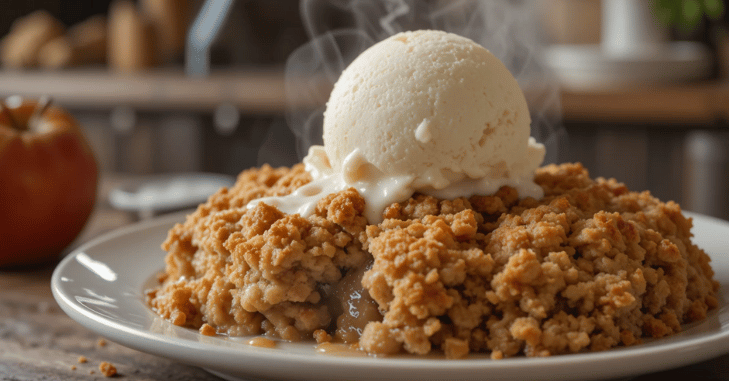
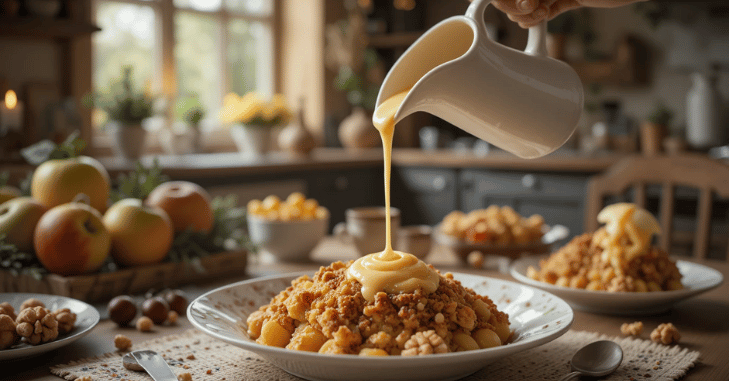
Serve hot with custard, pouring cream or vanilla ice cream for a proper British finish. Leave it to stand for five minutes first so the juices thicken slightly and nobody burns their mouth.
UK Baking Tips for the Perfect Apple Crumble
Choose the Right Apples
In the UK, Bramley apples are the gold standard for crumble. Their sharpness cuts through the sweet topping and stops the pudding from tasting flat, and they soften into a fluffy purée. If you prefer some pieces to hold their shape, mix Bramleys with a firmer eating apple such as Cox or Braeburn. Using only sweet dessert apples tends to give a sugary, one-note result, so reduce the added sugar if you go that route.
Keep the Butter Cold
Cold butter is what gives you a crumbly, crisp topping. If it is too warm, it melts into the flour as you work and you end up with a dense, greasy layer rather than light clusters. Cut the butter into small cubes straight from the fridge and work quickly with your fingertips, lifting the mixture up and letting it fall back into the bowl to keep it cool and airy. On a warm day, chilling the flour and bowl for ten minutes helps.
Do Not Overmix
Stop rubbing in as soon as the mixture looks like coarse breadcrumbs with a few pea-sized pieces of butter. Those little pockets of fat melt in the oven and create a crunchier texture. For extra clusters, sprinkle a few drops of cold water over the finished crumb and gently toss with a fork.
Bake Until Bubbling
The filling should be bubbling around the edges before you take the dish out. That tells you the apples are cooked through and their juices have thickened. If the top is browning too fast, loosely cover it with foil for the last ten minutes. A dish set on a preheated baking tray also helps the base cook evenly and catches any juice that bubbles over.
Common Mistakes to Avoid
- Packing the topping down: it steams instead of crisping. Scatter it loosely.
- Too much fruit juice: very ripe or frozen apples can flood the dish; toss them with a teaspoon of flour or cornflour first.
- A deep, narrow dish: the topping layer becomes thin in places. A wide, shallow dish gives more crunchy surface.
- Skimping on sharpness: a squeeze of lemon on sweet apples restores balance.
Mary Berry Apple Crumble With Walnuts
Adding walnuts gives a nutty crunch that pairs beautifully with apples. Roughly chop a small handful and stir them through the topping just before scattering it over the fruit. Their gentle bitterness balances the sweetness of the sugar, and they toast as the crumble bakes. This version is particularly good with custard or a spoonful of crème fraîche. Pecans or hazelnuts work the same way if you prefer, though leave nuts out entirely if anyone at the table has an allergy.
Apple Crumble Cake: A Modern Twist
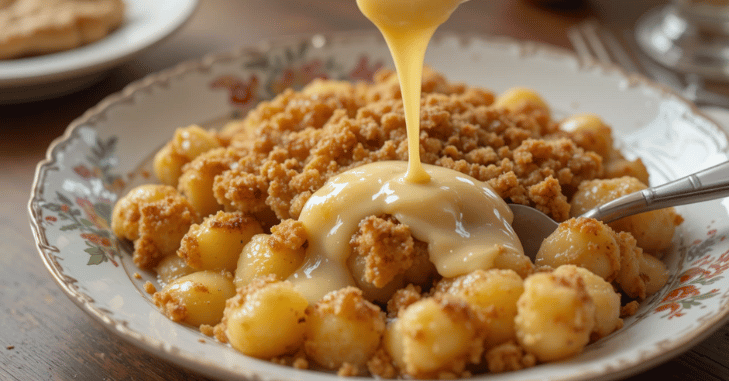
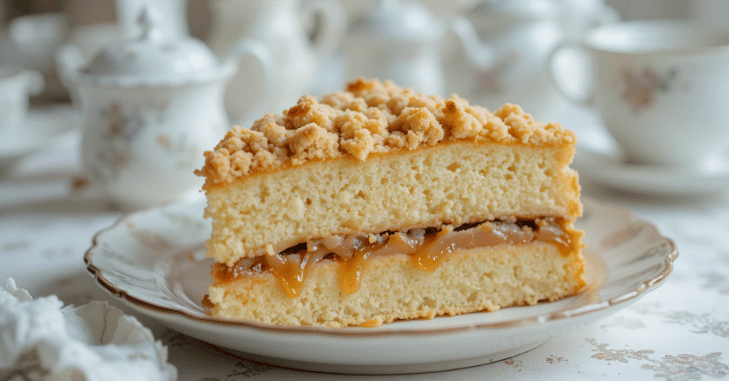
Apple crumble cake combines the best of two bakes: a soft sponge base with a crunchy crumble on top. A light vanilla or cinnamon sponge batter goes into a lined tin, a layer of sliced apples sits on top, and the crumble mixture is scattered over before baking.
The result is less saucy than a traditional crumble but just as comforting, and it slices neatly, which makes it ideal for afternoon tea, lunchboxes and bake sales. Test with a skewer through the sponge layer rather than the fruit, as the apples will always feel moist. Stored in an airtight tin, it keeps well for a few days.
Apple Crumble Cheesecake Inspired by Mary Berry

For a more indulgent option, apple crumble cheesecake brings creamy, crunchy and fruity textures together in one dessert. It is built in four layers:
- A crushed biscuit base bound with melted butter
- A smooth cream cheese filling
- A layer of softly cooked, spiced apple
- A crumble topping baked separately or on top until golden
This feels more celebratory than a weeknight crumble and works well for Christmas, birthdays or a Sunday gathering. Chill it thoroughly, ideally overnight, so the filling sets and slices cleanly. Add the crumble just before serving if you want it to stay as crisp as possible.
Can You Make a Lighter or Free-From Version?
Yes. The classic method adapts well to different diets without losing its comforting character:
| Swap | Use Instead | What to Expect |
|---|---|---|
| Butter | Plant-based block or baking spread | Slightly softer crumb; chill before rubbing in |
| Caster sugar | Light brown sugar or a little honey on the fruit | Deeper, caramel flavour; topping browns faster |
| Plain flour | Gluten-free flour blend, ground almonds or certified gluten-free oats | More rustic texture; check every label if cooking for coeliacs |
| Part of the flour | Rolled oats | Chewier, more rustic topping similar to an American crisp |
If you are cooking for someone with a medical dietary need, such as coeliac disease or diabetes, follow the advice of their GP or dietitian and check every ingredient label carefully.
Serving Suggestions and Storing Leftovers
- Traditional hot custard for a classic BBC finish
- Vanilla ice cream for a hot-and-cold contrast
- Pouring cream or crème fraîche for richness without extra sweetness
- Thick Greek yoghurt for a lighter option
Apple crumble is best served warm. Cover leftovers once cool and keep them in the fridge for up to a couple of days. Reheat in a moderate oven until piping hot all the way through; the oven restores the crunch far better than a microwave. You can also prepare the topping in advance and freeze it in a bag, then scatter it straight from frozen over fresh apples.
Final Thoughts on Mary Berry Apple Crumble
Mary Berry apple crumble remains a timeless British pudding because it is simple, forgiving and endlessly adaptable. Choose sharp Bramleys, keep your butter cold, stop mixing at the breadcrumb stage and bake until the fruit bubbles, and you will get a crisp, golden topping over soft, tangy apples every time. Once you have the classic version nailed, try the walnut topping, the crumble cake or the cheesecake for a change.
Fans of British food television may also enjoy our look at Gregg Wallace’s net worth, and you will find more recipes and food guides in our Food category.
FAQs
How do you make a basic apple crumble?
Slice cooking apples into a dish and sprinkle with a little sugar and cinnamon. Rub cold butter into plain flour until it looks like breadcrumbs, stir in sugar, then scatter it over the fruit. Bake at 180°C (160°C fan) for 35–45 minutes until golden and bubbling.
What are the best apples for apple crumble in the UK?
Bramley apples are the classic choice because their sharpness balances the sweet topping and they cook down to a soft, fluffy texture. For a filling with more bite, mix Bramleys with a firmer eating apple such as Cox or Braeburn.
Do you need to cook the apples before making crumble?
It is not essential, and many classic recipes use raw sliced apples. Pre-cooking them briefly in a pan with a little sugar can reduce excess juice and help the topping stay crisp, which is useful if your apples are very juicy.
What is the difference between an apple crumble and an apple crisp?
They are very similar fruit puddings. A crisp, the American name, usually includes oats in the topping, while a traditional British crumble is often just flour, butter and sugar, though many modern crumbles add oats too.
Why is my crumble topping soggy?
A soggy topping usually comes from warm butter, overmixing, pressing the topping down or very juicy fruit. Keep the butter cold, stop at the breadcrumb stage, scatter the crumb loosely and toss watery fruit with a little flour before baking.
Can you freeze apple crumble?
Yes. You can freeze the unbaked crumble topping in a bag and use it straight from frozen, or freeze a fully assembled crumble before baking. Bake from frozen at the same temperature, allowing extra time until it is piping hot and bubbling.