If you want the strongest weed killer that kills everything, the useful answer is not “buy the harshest bottle.” In UK gardens, effectiveness depends on the weed, surface, growth stage, and product authorization. A powerful product used in the wrong place can destroy lawns, ornamentals, or nearby planting.
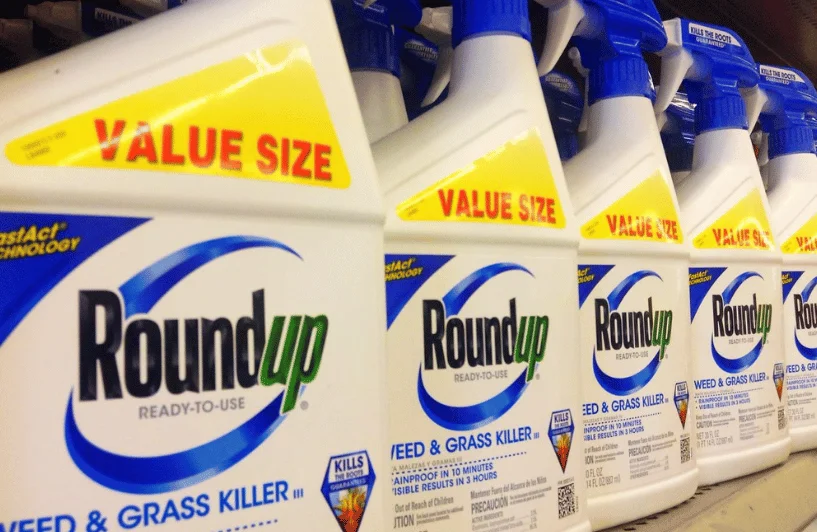
For UK gardeners, the most effective “kill everything” approach is usually an authorised, non-selective systemic herbicide used exactly as labelled. Glyphosate products remain authorized in Great Britain and can kill grasses and broad-leaved weeds through root translocation. They do not sterilize soil or stop every future seed.
| Question | Practical UK answer |
|---|---|
| What type kills most green plants? | A non-selective systemic herbicide is designed for broad vegetation control. |
| What active ingredient is most familiar? | Glyphosate remains approved in Great Britain, subject to product authorization and label conditions. |
| What works fastest on visible leaves? | Contact herbicides can scorch treated growth quickly, but roots may survive. |
| What stops future seedlings? | Residual products can suppress later growth, but only where their approved label permits. |
| Can you make a product stronger? | No. Use only the label rate and never add extra concentrate. |
| What about lawns? | Total herbicides can kill grass, so use selective lawn methods instead. |
TL;DR: Choose by job, not marketing strength. Use an authorized amateur product only where its label permits, and protect wanted plants. For many paths, borders, and small patches, hand removal or repeated cutting can be safer and effective.
Why “strongest” is the wrong starting point
A higher concentration does not automatically mean better garden results. Concentrates are normally diluted to an approved rate before use. The label determines where, how, and by whom a product may be used.
The UK Health and Safety Executive says plant protection products must be authorized before legal use. It also warns gardeners not to add extra product to make a mixture stronger. That can increase damage without improving control.
Strongest Weed Killer That Kills Everything: Which Type Works?
“Total” or “non-selective” control means the treatment can damage most green plants it reaches. Systemic products move through the plant and can reach roots. Contact products mainly damage the tissues they directly touch.
| Treatment type | How it works | Main advantage | Main limitation |
|---|---|---|---|
| Systemic non-selective | Moves through treated foliage into the plant | Better for deep-rooted growth | Can also kill grass and ornamentals |
| Contact non-selective | Damages sprayed leaves and stems | Faster visible browning | Perennial roots may survive. |
| Residual | Remains active in treated ground | Can suppress later seedlings | Not suitable for every surface or planting area |
| Selective | Targets certain weeds while sparing some plants | Useful for lawns or specific weeds | Does not “kill everything” |
| Non-chemical control | Removes, cuts, blocks, or smothers weeds | No herbicide drift or residue | May require repeated work |
For broad clearance, systemic non-selective treatment is usually the closest match to what searchers mean. The RHS explains that glyphosate is systemic and non-selective. It can kill broad-leaved plants and grasses after foliage absorbs it.
Why glyphosate is commonly used for total vegetation control
Glyphosate is a broad-spectrum herbicidal active substance approved for use in Great Britain. HSE says authorized products cover agricultural, horticultural, amenity, and domestic situations. The exact permitted use still depends on each product’s authorization and label.
Its value comes from systemic action rather than instant scorching. The treated foliage absorbs the active substance, which then moves through the plant. This makes it more suitable than contact-only products for many established perennial weeds.
Visible results may take longer than with a contact treatment. That delay does not mean extra concentrate is needed. HSE specifically advises users to follow the label and avoid making mixtures stronger.
Contact herbicides can look faster.
Contact treatments damage the plant parts they directly hit. The RHS lists acetic acid and pelargonic acid as examples within this group. These products may brown leaves quickly, yet established roots can remain alive.
That difference matters with deep-rooted perennial weeds. A fast brown top can look like complete control before regrowth appears. Repeated treatment or physical removal may still be needed.
Residual control is a different job.
Residual herbicides remain active in soil for a period after treatment. They can reduce later seedling growth where their approved use allows it. They are not simply “stronger” versions of systemic products.
This category needs extra care near planting areas. Roots from nearby plants can extend beneath treated ground. Always use a product only on surfaces and situations named on its label.
What “kills everything” really means
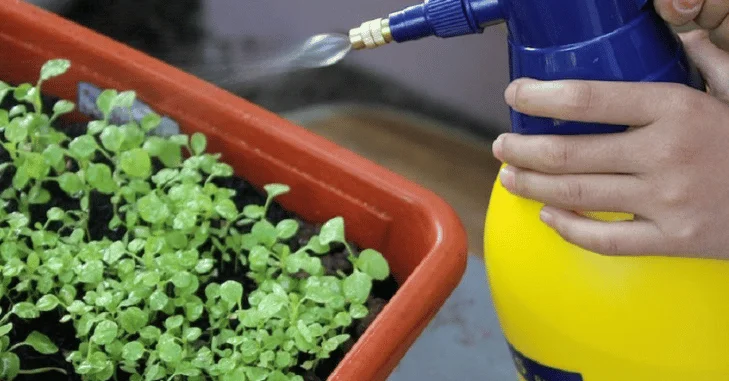
No lawful garden treatment literally destroys every plant, seed, and root in every situation. Non-selective means wanted plants can be damaged alongside weeds. It does not mean permanent sterilization of the soil.
Glyphosate can kill grass, broad-leaved weeds, and many perennial plants it reaches. New seeds can still arrive and germinate later. That is why one clearance treatment rarely creates permanent bare ground.
This distinction prevents a common buying mistake. Killing existing vegetation and preventing future germination are separate tasks. Choose the method according to the outcome you need.
UK legal and safety checks before using any herbicide
Home gardeners should choose products authorized for amateur use. HSE says professional products require appropriate training and should not be used by untrained gardeners. A product being available online does not prove it is lawful for your use.
Check the label before buying and again before application. Confirm the intended surface, target area, safety instructions, and current authorization. HSE provides a garden database for checking amateur products.
Glyphosate’s active-substance approval in Great Britain has been extended, with a current end date of 15 December 2026. HSE is assessing its renewal at the time of writing. Approval dates can change, so check the current position before you buy or apply anything.
Northern Ireland follows a separate active-substance framework linked to EU decisions. HSE notes EU active-substance decisions apply directly in Northern Ireland. Check the current product authorization for your location before use.
Match the treatment to the part of your garden.
Paths and driveways need different thinking from lawns or planted beds. On hard surfaces, first remove loose growth and consider physical control. Writiva’s garden surface cleaning guide also covers paving, gravel, tiles, and artificial grass.
For lawns, avoid total treatments unless you intend to remove the turf. A selective lawn approach protects grass while targeting suitable broad-leaved weeds. Writiva’s robot lawn mower guide can also help with routine grass management.
Planted borders require more precision because nearby ornamentals can be damaged. Physical removal, mulching, or careful spot treatment may suit these areas better. Writiva’s bonsai apple tree guide also shows why protecting wanted roots matters.
Non-chemical control can be the better first choice.
The RHS recommends non-chemical weed control where practical. Useful methods include hand removal, hoeing, repeated cutting, smothering, and weed barriers. These methods avoid spray drift and accidental damage to wanted plants.
Annual weeds are often easy to remove before they seed. Persistent perennials can need repeated cutting or careful root removal. Mulch or barriers can also suppress new growth over time.
This approach is especially useful near edible crops, wildlife areas, and valued ornamentals. It can also reduce repeat chemical use. The trade-off is that stubborn roots may require patience.
Verdict: what should a UK homeowner choose?
For complete clearance of existing vegetation, choose an authorized amateur systemic non-selective herbicide for that exact site. Glyphosate remains the main familiar option in Great Britain as of September 2026. Use only the stated label rate and keep it away from plants you want.
For quick visible knockdown, a contact treatment may suit small annual weeds. For longer prevention, residual control is a separate category with stricter site considerations. For lawns and planted areas, selective or non-chemical methods are usually more appropriate.
The safest purchasing rule is simple: check authorization before brand claims. Ignore “industrial strength” marketing if the legal use is unclear. Never use professional-only products without the required training.
Frequently Asked Questions
What is the strongest weed killer that kills everything?
For UK home use, the closest match is an authorised non-selective systemic herbicide. Glyphosate can control grasses and broad-leaved weeds because it moves through treated plants. It still will not stop every future seed from germinating.
Is glyphosate legal in the UK in 2026?
Glyphosate remains approved in Great Britain as of 20 September 2026. Its current approval has been extended until 15 December 2026 while HSE assesses renewal. Individual products must still hold valid authorization for their intended use.
Does a stronger concentrate always work better?
No, because concentrates are used according to approved label directions. Adding extra product can increase risk and plant damage. HSE specifically tells gardeners not to make mixtures stronger than directed.
Will a total herbicide kill grass?
Yes, a non-selective systemic treatment can kill lawn grasses. The RHS specifically notes that glyphosate damages both grasses and broad-leaved plants. Use a selective lawn approach if you want to keep the turf.
What stops weeds from coming back?
Removing existing plants does not prevent new seeds arriving later. Residual products can suppress germination where their approved label permits. Mulching, barriers, regular removal, and good surface maintenance can also reduce regrowth.
Your next step
Identify whether you need clearance, lawn-safe control, or prevention before choosing a product. Then verify the current authorization and read the complete label. For more UK home and garden guidance, browse Writiva’s Home Improvement section.