Every UK business relies on electronic equipment, from laptops and mobile phones to servers, networking hardware and specialist machinery. Yet when these assets become obsolete, damaged or surplus to requirements, they create more than a storage problem. They also represent a valuable source of metals, components and reusable materials that should remain in circulation rather than being discarded.
This is where a structured electronics recovery programme can make a measurable difference. By treating end-of-life technology as a resource, organisations can reduce waste, improve regulatory compliance and demonstrate practical progress towards their circular economy goals. Working with an experienced specialist such as Blancomet also gives businesses a clearer, more accountable route from collection to responsible processing.
Why Electronic Waste Matters to UK Businesses
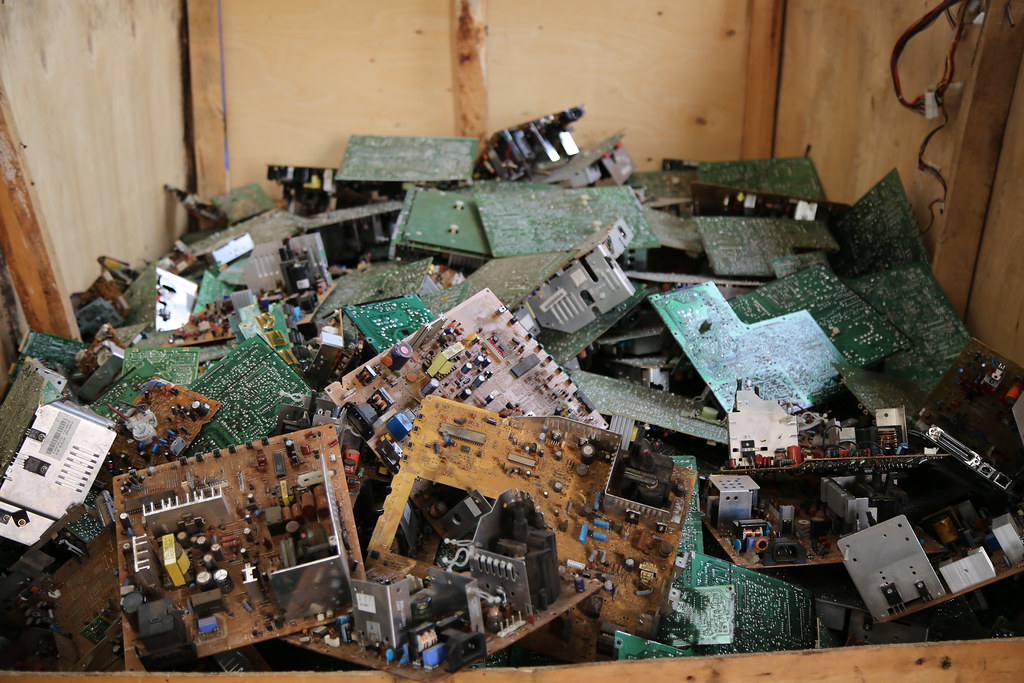
Electrical and electronic products contain a complex mixture of materials. Printed circuit boards may include copper and small quantities of precious metals, while computers and servers also contain aluminium, steel, plastics and reusable components. At the same time, some devices contain batteries, hazardous substances or confidential information that requires careful handling.
Leaving unwanted equipment in a storeroom does not remove these risks. It simply delays the decision while occupying valuable space and allowing asset records to become less accurate. Sending mixed electronics into a general waste stream is even more problematic because recoverable materials can be lost and inappropriate disposal may expose the organisation to environmental or data-security concerns.
A professional (e waste recycling) service helps businesses separate these materials from general waste and direct them towards sorting, recovery and refining. This supports a circular model in which resources remain economically useful for longer.
Turning Circular Economy Commitments into Action
Circular economy strategies can sound abstract when they are expressed only through high-level targets. Electronics recovery makes the concept tangible. A well-managed programme can support several practical objectives at once:
- Keeping resources in use: Metals and other recoverable materials can be prepared for reintegration into manufacturing supply chains.
- Reducing dependence on virgin materials: Recovering secondary raw materials helps limit the demand for energy-intensive primary extraction.
- Preventing avoidable waste: Equipment is assessed and sorted rather than automatically treated as valueless rubbish.
- Improving accountability: Collection records and processing documentation provide evidence that unwanted assets were handled responsibly.
- Supporting better procurement: Disposal data can reveal which devices fail early, become obsolete quickly or are difficult to recover.
This final point is often overlooked. Circularity is not only about what happens at the end of an asset’s life. Information gathered during disposal can influence future purchasing decisions, helping firms select durable, repairable and recyclable equipment.
Recovering Value from Printed Circuit Boards
Printed circuit boards, or PCBs, are among the most important fractions in business electronic waste. They are found in desktops, laptops, mobile devices, servers, telecommunications equipment and industrial control systems. However, boards differ substantially in composition and potential value, so accurate classification is essential.
Simply weighing a mixed consignment may not provide a fair or useful assessment. A specialist processor can visually inspect and sort boards according to expected metal content, remove impurities and use laboratory analysis where appropriate. Blancomet, for example, focuses on high-value electronic streams such as PCBs and can use ICP-OES analysis when material testing is required for accurate settlement.
This analytical approach benefits both circularity and commercial transparency. The supplier gains a clearer understanding of the material being recovered, while processors and refiners receive better-prepared fractions. That can make secondary resources easier to return to productive use.
Data Security Must Be Part of the Plan
An old computer may have little operational value, but the information stored on it could still be highly sensitive. Hard drives, solid-state drives, mobile devices and servers may retain personal data, customer records, financial details, passwords or intellectual property. Recycling the hardware without addressing that information leaves a serious gap in the process.
For that reason, businesses should connect electronic waste management with their IT asset disposal and information-security policies. Secure data destruction should be documented, repeatable and appropriate to the type of storage media involved. Asset identifiers should also be recorded so the business can reconcile the collection against its internal register.
Blancomet provides business-focused IT asset disposal support, including secure data destruction, documentation and procedures aligned with GDPR responsibilities. Combining environmental processing with information security is usually more efficient than asking unrelated providers to manage separate stages of the same asset journey.
What to Look for in a Recycling Partner
Choosing a provider solely on the basis of collection price can create hidden costs later. Before appointing a recycling partner, procurement, facilities, sustainability and IT teams should consider several questions:
- Which categories of equipment and electronic components does the provider accept?
- How are PCBs and other valuable fractions inspected, sorted and assessed?
- Can the provider arrange collections that suit the company’s volume and schedule?
- What documentation will be supplied after collection and processing?
- How will data-bearing devices be identified and securely handled?
- Is pricing based on material grade, recoverable content and current market conditions?
- Can the provider support both occasional clear-outs and recurring commercial volumes?
Businesses often begin their search by looking for a local electronic waste specialist (e waste recycling near me). Location is relevant, particularly when transport, collection times and carbon impacts are considered. Nevertheless, capability, traceability and transparent assessment should carry equal weight. Blancomet serves suppliers through a practical UK network and works with organisations ranging from one-time sellers to established high-volume partners.
How to Build a Better Internal Programme
Even the right recycling provider cannot compensate for poor internal controls. Firms can improve results by creating a straightforward process that employees understand and managers can measure.
Start with an Asset and Waste Audit
Identify what equipment the organisation owns, where it is held and which departments generate the most surplus technology. Include equipment in storage, not just devices currently in use. Categorise data-bearing hardware separately from cables, peripherals, PCBs and non-data-bearing components.
Assign Clear Responsibilities
Decide who can approve an asset for disposal, who updates the asset register and who verifies collection documentation. Shared ownership among IT, facilities and sustainability teams can work well, provided each responsibility is explicit.
Create Secure Collection Points
Use labelled, access-controlled areas for obsolete equipment. Avoid placing sensitive devices in open bins or mixing electronics with general office waste. Clear segregation can improve safety, reduce contamination and make downstream sorting more efficient.
Track Meaningful Measures
Useful indicators may include the weight of electronics collected, the number of data-bearing assets securely processed, the proportion diverted from disposal and the revenue recovered from valuable material. Firms should also record recurring causes of obsolescence, because this information can improve maintenance and procurement.
Schedule Regular Collections
Waiting for unwanted equipment to fill an entire storeroom increases security and housekeeping risks. Planned collections make the process predictable and help maintain accurate records. Businesses with significant volumes should discuss a recurring service and an appropriate commercial model with their provider.
From Compliance Exercise to Business Advantage
Responsible electronics recovery is sometimes treated as a narrow waste-management task. In reality, it can support environmental reporting, information governance, operational efficiency and material value recovery. It also gives companies credible evidence to share with customers, employees and supply-chain partners who increasingly expect sustainability claims to be backed by action.
The most effective approach is to begin with one manageable step: review the electronic assets currently awaiting disposal and ask a qualified specialist how they should be classified, collected and documented. Blancomet combines responsible processing, PCB expertise, secure data destruction and transparent material assessment, giving UK organisations a practical way to turn obsolete technology into circular economy progress.