Small-space gardening is becoming increasingly popular across the UK and Europe, as more people look for simple and meaningful ways to bring nature into balconies, patios, terraces and compact home gardens. Not everyone has access to a large outdoor space, but many people still want to enjoy the benefits of growing plants, observing seasonal changes and creating greener living environments.
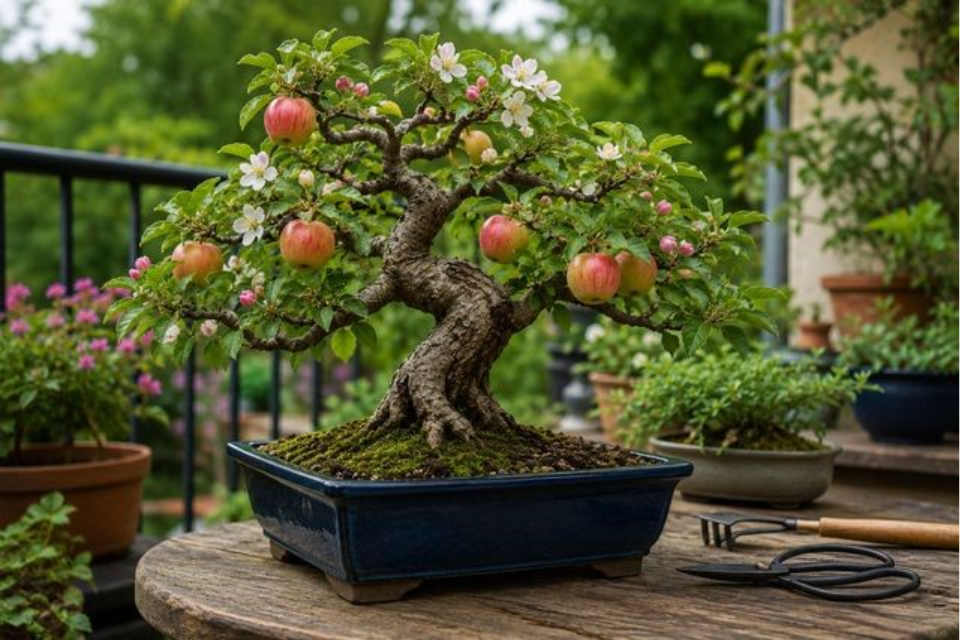
Among the most fascinating choices for modern plant lovers, bonsai apple trees are gaining attention. They combine the ancient art of bonsai with the charm of a miniature fruit tree, offering blossoms, structure and, in some cases, small decorative apples. For homes where space is limited, they represent a creative way to enjoy the beauty of a tree without needing a traditional garden.
The Rise of Small-Space Gardening
Urban living has changed the way people approach gardening. In many homes, the garden is no longer a large lawn or a wide outdoor area. Instead, it may be a balcony, a sunny windowsill, a small courtyard or a few carefully arranged pots on a patio. For the full picture, read Small Living Room Ideas for UK Homes.
This shift has made container gardening more important. Plants grown in pots can transform even modest spaces, adding colour, texture and a sense of calm. Herbs, flowering plants, bonsai trees and compact shrubs can all contribute to a more natural atmosphere at home.
Small-space gardening is also practical. It allows people to start gradually, learn from experience and adapt their plant choices to the amount of light, space and time available. For many beginners, this makes gardening feel less intimidating and more accessible.
Why Bonsai Apple Trees Are Attracting Attention
Bonsai cultivation has always been associated with patience, care and attention to detail. A bonsai is not simply a small plant in a pot; it is a living tree shaped and maintained over time. When this concept is applied to an apple tree, the result is especially appealing.
A bonsai apple tree can offer different forms of interest throughout the year. In spring, it may produce delicate flowers. Later in the season, depending on the variety and growing conditions, it can develop small apples that add colour and character. Even outside the flowering and fruiting season, the shape of the branches and trunk can make the tree an attractive feature.
For readers interested in miniature fruit trees, Bioges & Co offers a practical guide to bonsai apple trees, with care advice for home cultivation, balconies and small garden spaces.
This type of plant is particularly suitable for people who enjoy decorative greenery but want something with more personality and seasonal rhythm. A bonsai apple tree changes over time, requiring observation and small adjustments rather than quick results.
How to Care for Bonsai in Containers
Because bonsai trees grow in restricted containers, their care requires more precision than many ordinary potted plants. The first factor to consider is light. Apple trees generally need good brightness to grow well, and bonsai versions are no exception. A bright outdoor position, sheltered from extreme weather, is often preferable.
Watering is also essential. Bonsai containers hold a limited amount of substrate, which means the soil can dry out faster than garden soil. At the same time, excessive watering can create root problems. The best approach is to check the substrate regularly and water according to the plant’s actual needs rather than following a fixed schedule.
Drainage should never be overlooked. A suitable pot with proper drainage holes helps prevent water from remaining around the roots. The substrate should allow both moisture retention and air circulation, supporting healthy root development.
Soil Vitality and Balanced Nutrition
In container gardening, the growing environment is limited. Unlike trees planted in open ground, bonsai cannot extend their roots freely in search of nutrients. Everything the plant needs must come from the small amount of substrate available inside the pot.
Over time, watering can gradually remove nutrients from the growing medium. The plant continues to use what is available for leaves, shoots, roots, flowers and fruit, but the reserves are not unlimited. This is why bonsai trees often benefit from a thoughtful and balanced nutrition routine.
The aim should not be to force excessive growth. With bonsai, strong uncontrolled development can disturb the miniature proportions of the tree. Instead, nutrition should support vitality, structure and steady seasonal development. A good routine respects the natural rhythm of the plant and adapts to the active growing season.
For bonsai apple trees, balanced plant care should include attention to the substrate, watering, drainage and feeding. When these elements work together, the tree is better able to remain healthy and expressive over time.
Common Mistakes to Avoid
One of the most common mistakes in bonsai care is overwatering. Because the tree is small and easy to observe, many beginners water too frequently. However, constantly wet soil can stress the roots and weaken the plant. It is better to check the substrate and respond to real conditions.
Another mistake is placing the tree in an unsuitable position. A bonsai apple tree needs enough light to support healthy growth. Keeping it in a very dark indoor corner may limit its development and reduce the chance of flowering.
Overfeeding can also be a problem. Fertilisation should be moderate and adapted to the plant’s needs. Too much nutrition can encourage excessive growth, while too little can lead to weak leaves, poor development and reduced vitality.
Pruning should also be handled carefully. Bonsai shaping is a gradual process. Removing too much growth at once can stress the tree and affect its natural balance. Small, regular interventions are usually better than drastic cuts.
A Sustainable Choice for Modern Homes
The appeal of bonsai apple trees fits perfectly with the wider interest in sustainable home living. These miniature trees encourage people to slow down, observe nature and care for a plant over the long term. Unlike temporary decorative items, a bonsai can become part of a home for many years.
This long-term relationship makes bonsai cultivation especially meaningful. The tree develops gradually, season after season. Its shape, flowers and leaves reflect the care it receives and the environment in which it grows.
For people living in apartments or homes with limited outdoor areas, a bonsai apple tree can bring the experience of tree cultivation into a compact space. It can sit on a balcony, patio or sheltered garden table, becoming a natural focal point that changes throughout the year.
Small-space gardening also encourages more conscious habits. Instead of buying plants as disposable decoration, gardeners learn to understand watering, light, soil and nutrition. This reduces waste and supports healthier plants over time.
Final Thoughts
Bonsai apple trees are more than attractive miniature plants. They represent a thoughtful approach to gardening, where beauty, patience and care work together. They are suitable for modern homes because they do not require large gardens, yet they offer the charm of a living tree with seasonal interest.
With the right light, careful watering, suitable substrate and balanced nutrition, these trees can become rewarding companions for people who want to bring more nature into their daily lives.
As small-space gardening continues to grow across the UK and Europe, bonsai apple trees are likely to remain an appealing choice for those who want something elegant, compact and meaningful. They show that even a small balcony or patio can hold a living piece of nature, shaped with care and enjoyed season after season.