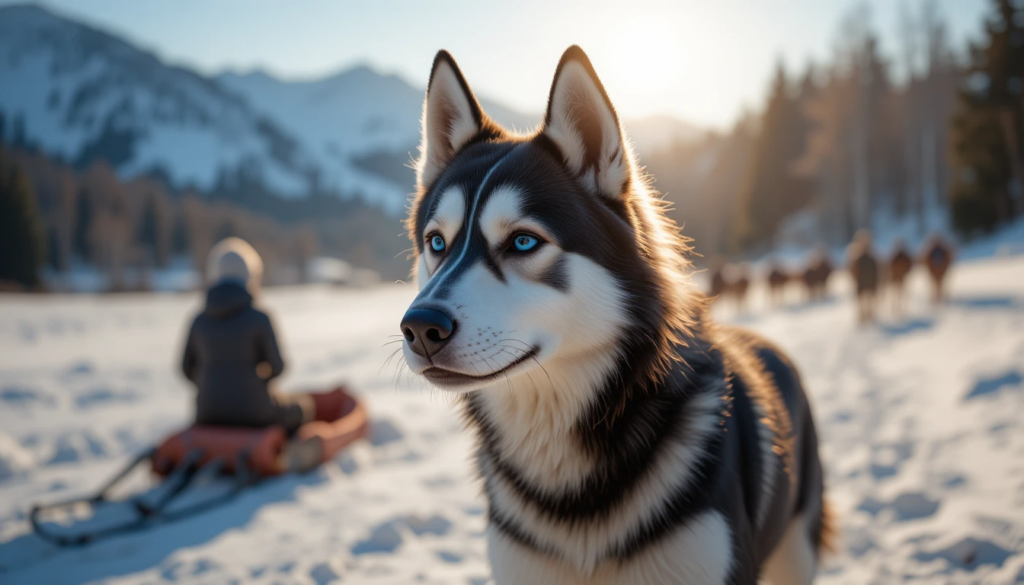
Understanding why do dogs have tails helps us explore how this small body part plays a significant role in a dog’s daily life. The question of whether dogs have tails opens the door to learning about balance, emotion, training, and breed-specific traits. The guide explores how tails support running, herding, swimming, warming the body, and guiding communication with people and other dogs. If you are exploring more of the site, try Understanding the Most Important Parts of a Boat.
It also shows how tail motion aids veterinarians during health checks and rehabilitation. Dog tails help with balance, communication, emotion, swimming, warmth, and social signaling across breeds. By studying these functions, we see how tail design, behavior, and purpose shape a dog’s abilities, reminding us again why do dogs have tails and why it matters.
| Basics | Details |
| Balance | Tail steadies movement. |
| Agility | Aids precise control. |
| Emotion | Shows mood instantly. |
| Behavior | Position signals intent. |
| Training | Guides trainer responses. |
| Working Roles | Supports coordinated tasks. |
| Search/Herding | Helps track and direct. |
| Breed Form | Shape fits purpose. |
| Swimming | Acts as a water rudder. |
| Cold Protection | Provides warmth cover. |
| Health Check | Indicates nerve issues. |
| Care | Proper handling prevents injury. |
| Scent Signals | Spreads territorial scent. |
| Social Order | Displays rank. |
| Rehab | Assists with functional assessment. |
| Communication | Reveals stress or comfort. |
Why Do Dogs Have Tails? Balance and Body Control
A dog’s tail helps maintain balance during fast running, quick turning, climbing, and jumping. Working breeds like Border Collies and German Shepherds depend on tail movement to stay steady on uneven fields. This natural counterweight supports performance during herding tasks, obstacle training, and agility exercises, allowing dogs to move with accuracy and reduced risk of slipping or falling.
Emotional Signaling and Behavior
- Dogs express clear emotions through tail positions, allowing owners, trainers, and handlers to understand their mood instantly.
- A raised tail signals alertness, a tucked tail shows fear, and a soft wag expresses calm friendliness.
- Using why do dogs have tails in behavior studies helps improve training routines, feeding interactions, and social introductions,
- As well as therapy-dog communication during professional or household settings.
Services Performed by Working Dogs
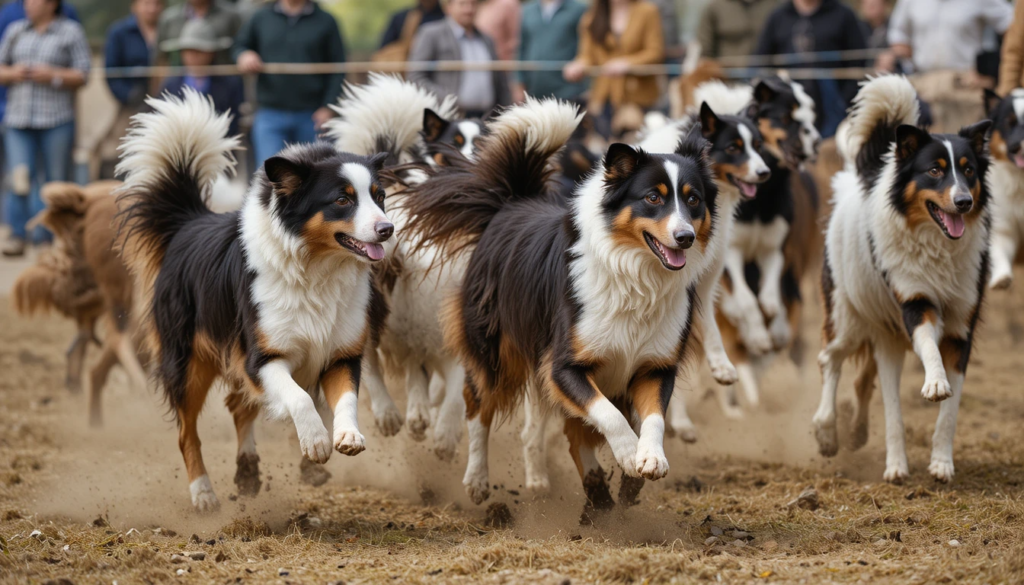
Service dogs use their tails for balance, discipline cues, and coordinated movement. Search-and-rescue dogs rely on tail stability on rocky surfaces, while police dogs maintain proper body alignment during tracking. Herding dogs use tail motion to direct livestock. These working roles become less effective without controlled tail movement, proving its importance in many specialized service environments.
Breed Purposes and Structure
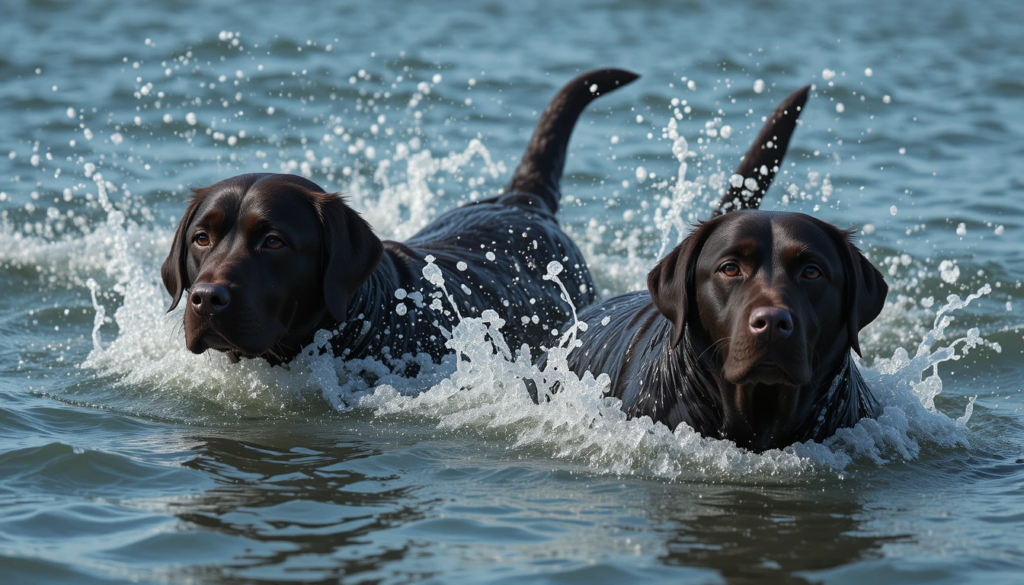
Different dog breeds develop tail shapes based on their historical duties. Water dogs like Labradors use thick tails for water steering, while sled breeds like Huskies use bushy tails to retain warmth. Understanding why do dogs have tails explains how design, length, and strength match each breed’s purpose, helping trainers and veterinarians adjust care, exercise, and feeding routines appropriately.
Tail-Related Health and Veterinary Care
A dog’s tail connects to spinal nerves, making it a key indicator of physical health. Tail fractures, skin infections, nerve damage, or over-wagging injuries require veterinary care. Grooming, gentle handling, and clean feeding spaces help reduce tail issues. Early treatment prevents pain and supports normal movement, especially for active dogs participating in sports, service work, or rehabilitation programs.
Scent Sharing and Territory Signals
Dogs have scent glands beneath their tails, and movement helps spread their scent to mark territory or announce their identity. Breeds with strong pack instincts rely heavily on scent control. Research on why do dogs have tails highlights how tail height increases scent range. This tail-based signaling manages pack order, feeding priority, and safe interaction with unfamiliar animals in shared spaces.
Swimming Support and Water Control
- Dogs that enjoy swimming use their tails as natural steering tools for stability in water.
- Newfoundlands, Golden Retrievers, and Portuguese Water Dogs depend on tail movement to maintain direction, speed, and body balance.
- The tail functions like a small rudder, guiding turns.
- This support is crucial for water-rescue dogs and breeds trained for aquatic performance or environmental safety operations.
Cold Environment Protection
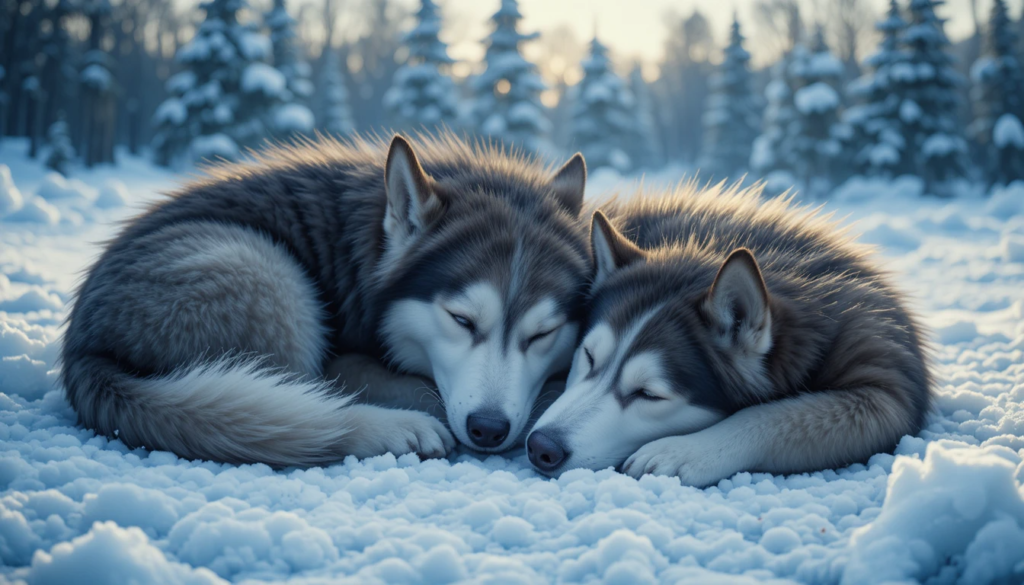
Cold-climate breeds demonstrate another reason why it matters that dogs have tails. Huskies, Malamutes, and Samoyeds curl their tails around their noses during sleep to preserve heat. This natural insulation protects airways from freezing temperatures. Tails help regulate warmth during mountain travel, nighttime outdoor feeding, and long-distance sled work, making them essential survival features in extreme winter environments.
Rehabilitation and Recovery Support
During physical therapy, tail movement helps veterinarians evaluate nerve function, spine strength, and muscle coordination. Dogs recovering from injuries often perform controlled tail exercises to improve balance and mobility. Tail-friendly routines, paired with proper feeding schedules and hydration, improve healing outcomes. This natural body extension helps therapists design safe rehabilitation plans for dogs with long-term mobility challenges.
Pack Order and Leadership Signals
Within dog groups, the tail displays rank and authority. Dominant dogs hold their tails higher, signaling leadership, while submissive dogs keep their tails low. These signals reduce unnecessary conflict and maintain order during feeding, resting, and territory movement. Understanding tail behavior helps handlers manage multi-dog households, rescue shelters, and breeding environments with safer social interactions.

Conclusion
In conclusion, understanding why do dogs have tails helps explain how this small structure supports balance, emotion, health, and communication in everyday life. The tail guides movement, strengthens training responses, and even assists veterinarians during exams and recovery. By observing how different breeds use their tails for warmth, swimming, or work, we clearly see why do dogs have tails and why this feature remains essential to a dog’s well-being.
Want to know about Husky Breed: Comprehensive Insights into History, Care, Nutrition, Training, and Exceptional Working and Companion Roles Check out our Pets category.
FAQs
A dog’s tail helps maintain balance during movement, supports smooth turns, and assists communication by showing emotions such as confidence, fear, or friendly intent through its position and motion.
Tail height, speed, and direction give clear emotional signals. Dogs use these movements to signal excitement, stress, or safety, helping people and other animals quickly understand their intentions.
Different breeds rely on their tails for unique tasks. Some use them for swimming, others for warmth, balance, or guiding herd animals, depending on their historical roles and body structure.