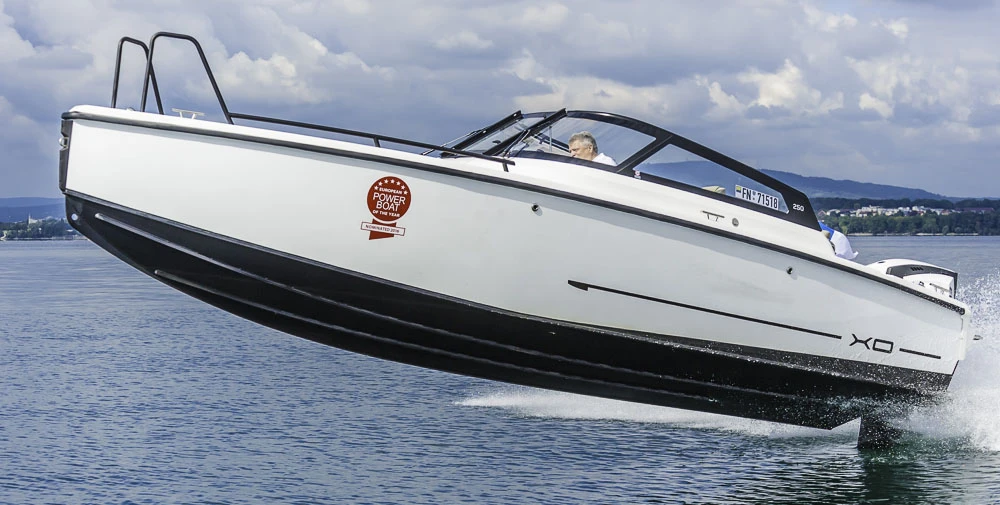
Learning the basic parts of a boat makes almost every aspect of boating easier. Instructions become clearer, maintenance conversations make more sense, and communication aboard improves. Boats vary enormously in size and design, so not every vessel has exactly the same components. Still, a core group of terms applies widely and gives beginners a useful foundation.
Bow and Stern
The bow is the front of the boat, while the stern is the rear. These terms are used constantly when docking, anchoring, giving directions, and describing equipment locations.
Instead of saying that a line is near the front left corner, a crew member can use standard nautical language. Clear terminology matters when people need to act quickly and there is little time for explanation.
Port and Starboard
When facing the bow, port is the left side and starboard is the right side. Unlike left and right, these terms do not change depending on which direction a person is facing.
A common memory aid is that port and left both contain four letters. Whatever method you use, practice until the terms become automatic.
The Hull
The hull is the main body of the vessel. Its shape strongly influences stability, speed, efficiency, comfort, and how the boat behaves in waves. Hull designs differ according to purpose, from fast planing boats to displacement vessels designed for efficient cruising.
Inspecting the hull is an important part of maintenance. Damage, marine growth, cracks, and problems with coatings can affect both appearance and performance.
Deck and Cockpit
The deck is the surface covering the upper part of the hull and provides areas for moving, working, and relaxing. The cockpit is a recessed or enclosed area where passengers and controls may be located, depending on the design.
Keep walking surfaces clear and use appropriate handholds when the boat is moving. Wet decks can become slippery, and loose objects create trip hazards.
Helm
The helm is the position from which the boat is controlled. It may include a wheel or tiller, throttle controls, gauges, switches, navigation displays, and communication devices.
Modern boat equipment can concentrate a large amount of information at the helm. Operators should understand the essential controls before departure and avoid learning critical functions while maneuvering in a busy marina.
Know the Controls Without Looking Down
With practice, common controls become familiar enough that the operator can keep more attention outside the boat. Visual scanning remains essential even when the helm has advanced electronic displays.
Propulsion System
The propulsion system moves the boat through the water. Depending on the vessel, this might involve an outboard engine, inboard engine, sterndrive, shaft, propeller, sail, or a combination of systems.
Owners should learn the basic layout of their own propulsion system, including fuel supply, cooling, controls, and accessible service points. This makes routine checks easier and helps describe problems accurately to a technician.
Propeller
On many powered boats, the propeller converts rotational power into thrust. Its size, pitch, design, and condition affect performance.
Damage can create vibration or reduce efficiency. Keep people away from the propeller whenever there is any possibility the engine could engage, and follow safe procedures when inspecting it.
Rudder and Steering
A rudder changes the direction of water flow to help steer many boats. Other vessels steer using an outboard engine, drive unit, water jet, or different mechanism.
Whatever system is fitted, steering should move smoothly and predictably. Unusual stiffness, looseness, noise, or delayed response deserves investigation before the next trip.
Bilge
The bilge is the lowest interior area of the hull where water can collect. Bilge pumps remove accumulated water, but the source of unexpected water should always be investigated.
Keep the bilge reasonably clean so leaks are easier to identify. Test pumps and switches regularly and make sure debris cannot block intakes.
Cleats and Lines
Cleats are strong fittings used to secure lines. Dock lines hold the boat alongside a dock, while other lines may serve anchoring, towing, sailing, or equipment purposes.
Inspect these boat parts for looseness, corrosion, damaged fasteners, and wear. Lines should also be checked for chafing, stiffness, cuts, or other deterioration that could reduce their strength.
Anchor and Rode
The anchor helps hold the vessel in place on the seabed. The rode connects the anchor to the boat and may consist of rope, chain, or a combination.
Anchoring performance depends on more than anchor weight. Bottom type, depth, scope, weather, current, and the condition of every component all matter. Learn how the system aboard is deployed and secured.
Through Hull Fittings and Seacocks
Some systems require openings through the hull for water intake or discharge. Seacocks allow certain openings to be closed. Because these components can be below the waterline, their condition is important.
Know where critical seacocks are located and make sure they remain accessible. Inspection and maintenance should follow appropriate practices for the materials and vessel.
For owners maintaining vessels in Spain, repuestos nauticos can be useful when replacing worn fittings or other components. Correct dimensions and material compatibility matter, particularly for parts connected to plumbing, propulsion, or underwater systems.
Battery and Electrical System
Batteries may start engines and power lights, pumps, electronics, refrigeration, and other systems. Larger boats can have multiple battery banks and charging sources.
Learn the location of battery switches, main electrical panels, and important circuit protection. Keep electrical areas dry and address corrosion or damaged wiring promptly.
Cabin and Galley
The cabin provides enclosed living or sleeping space. The galley is the onboard kitchen area. Smaller boats may combine these functions in a compact interior, while larger vessels can have several separate cabins.
Secure interior items before getting underway. Cooking equipment, doors, drawers, and lose belongings can move unexpectedly in waves.
Learn Your Own Boat
Knowing generic terminology is only the beginning. Open the owner’s manual and identify where each important system is located on your vessel. Trace the route from the fuel tank to the engine, find the bilge pumps, locate electrical switches, and understand how water systems are controlled.
Ask questions when something is unclear. A few hours spent learning the layout can save significant time when troubleshooting later.
Terminology Builds Confidence
Boat terminology is practical, not ceremonial. Knowing the difference between bow and stern or port and starboard allows people to communicate precisely. Understanding major systems also makes maintenance and safety procedures easier to follow.
Start with the basic structure, propulsion, steering, electrical system, bilge, anchoring gear, and deck fittings. As you spend more time aboard, the vocabulary becomes natural. More importantly, you begin to understand how the individual components work together to make the boat safe, functional, and enjoyable to operate.