Bovril has long been a staple in British kitchens, famous for its rich, savory taste and comforting warmth. Whether stirred into a steaming mug on a chilly day or spread thinly on toast, it has been enjoyed for generations as a source of quick energy and satisfying flavor.
But in today’s health-conscious world, many people are asking: Is Bovril good for you? While it does provide small amounts of protein, B vitamins, and trace minerals, its high sodium content makes moderation key.
Understanding the benefits, risks, and proper use of Bovril can help you enjoy this traditional favorite without compromising your health. This comprehensive guide explores Bovril’s nutrition facts, health benefits, potential risks, sodium levels, safe daily intake, and who should limit or avoid it.
Is Bovril Good for You?
Bovril is a classic savory product enjoyed for generations, whether as a hot drink on a cold day or as a spread on toast. Known for its rich umami flavor and warming qualities, many people wonder:
Is Bovril good for you? While Bovril provides small amounts of protein, B vitamins, and minerals, it is also extremely high in sodium, which can pose health risks if consumed excessively.
Understanding its nutritional profile, potential health benefits, and safe consumption practices is essential for making informed choices. By learning how to enjoy Bovril in moderation, you can savor this traditional favorite while making informed, health-conscious choices.
| Category | Overview |
| Product Type | Concentrated meat extract, savory drink, or spread |
| Flavor Profile | Rich umami, warming, comforting |
| Nutritional Highlights | Small amounts of protein, B vitamins (including B12), iron, trace minerals; very low in fat and sugar |
| Calories | Low per teaspoon serving |
| Sodium Content | Extremely high; one teaspoon contains hundreds of milligrams |
| Health Benefits | Supports energy levels, provides warmth and comfort, minimal protein contribution |
| Potential Risks | High sodium can raise blood pressure, impact heart and kidney health, cause bloating, and sensitivity to yeast extract in some individuals |
| Heart Health | Occasional use is safe for healthy individuals; avoid or limit for those with hypertension or heart disease |
| Weight Management | Low-calorie, low fat; high sodium may cause temporary water retention, but do not directly cause fat gain |
| Safe Consumption | Use sparingly (≤1 teaspoon per serving); occasional use recommended; pair with low-sodium foods and stay hydrated |
| Who Should Avoid | People with high blood pressure, heart disease, kidney issues, a low-sodium diet, or yeast extract sensitivity |
| Comparison to Other Spreads | Lower fat and sugar than butter and many spreads; much higher sodium than most alternatives |
| Tips for Healthier Use | Thin spread on toast, dilute for drinks, pair with unsalted foods, avoid extra salt, small portions only |
| Key Question | Is Bovril good for you? Answer: Yes, when consumed occasionally and in moderation with portion control. |
Bovril Nutrition Facts
- Nutritionally dense in very small servings
- Very low in fat
- Low in calories when used sparingly
- Contains protein from beef and yeast extracts
- Provides B vitamins in small amounts
- Extremely high in sodium
Nutrients Found in Bovril
- Protein (from beef extract)
- B vitamins, including B12 in some formulations
- Iron (in small amounts)
- Trace minerals such as zinc
- Nutritional impact depends heavily on portion size, as Bovril is typically consumed by the teaspoon rather than in large servings
Health Benefits of Bovril
When consumed occasionally and in moderation, Bovril may offer some health advantages. Its long-standing reputation as a comforting drink comes from its savory taste, warmth, and modest nutritional contribution.
Supports Energy Levels
Bovril contains small amounts of B vitamins, which help the body convert food into usable energy. This may explain why Bovril has traditionally been viewed as a strengthening or energizing drink, especially during cold weather, fatigue, or recovery from illness.
Provides Quick Warmth and Comfort
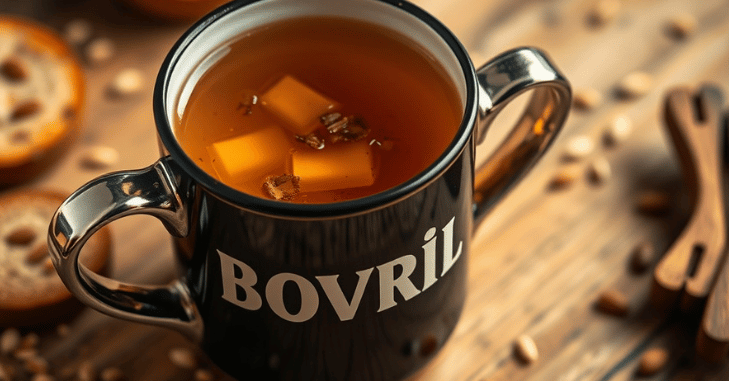
Consumed as a hot beverage, Bovril can help warm the body and promote hydration when mixed with hot water. While it is not a medicinal product, its warmth and savory flavor can be soothing during cold conditions or when appetite is low.
Source of Protein in Small Amounts
Bovril provides a small amount of protein derived from beef extract. Although the protein content is modest, it can still contribute slightly to daily protein intake, particularly for individuals with reduced appetite or those seeking easy-to-consume nourishment.
Low in Fat and Sugar

Unlike many traditional comfort foods and spreads, Bovril contains almost no fat and no added sugar. This makes it a relatively low-calorie option compared to butter-based or sugary alternatives, provided it is used sparingly and in appropriate portions.
Bovril and Muscle Recovery
- Contains amino acids derived from beef extract
- May provide minimal support for muscle recovery
- Protein content is very limited
- Not a significant or complete protein source
- Cannot replace protein-rich foods such as:
- Meat
- Legumes
- Dairy products
Sodium Levels in Bovril
Bovril’s extremely high sodium content is the primary health concern associated with its consumption. Excess sodium intake can raise blood pressure, increase the risk of heart disease and stroke, cause water retention and bloating, and place additional strain on the kidneys, particularly in individuals with existing health conditions.
Even small amounts of Bovril can contribute significantly to daily sodium intake. One teaspoon may contain hundreds of milligrams of sodium, and consuming it as a hot drink can quickly increase overall salt consumption. Multiple servings in a single day can easily exceed recommended sodium limits, making strict portion control essential when including Bovril in the diet.
Potential Risks and Side Effects

High sodium risks
- Can worsen high blood pressure
- Increases the risk of cardiovascular disease
- May cause swelling and bloating
- It can negatively affect kidney health
Not suitable for low-sodium diets
- People advised to limit salt intake should be particularly cautious
Possible sensitivity to yeast extract
- Headaches
- Digestive discomfort
- Sensitivity reactions related to yeast extract or glutamates
Not ideal for daily consumption
- Regular use as a drink or spread can lead to excessive sodium intake over time
Bovril and Heart Health
Because of its high sodium content, Bovril may negatively affect heart health if consumed in excess. Occasional use of Bovril is generally considered safe for healthy individuals, but regular or frequent consumption can contribute to elevated blood pressure over time.
People with heart disease, hypertension, or those advised to follow a low-sodium diet should limit or avoid Bovril altogether. If included occasionally, balancing Bovril with low-sodium foods throughout the day can help reduce overall cardiovascular risk, which is an important consideration when asking: Is Bovril good for you?
Bovril and Weight Management
- Low in calories per serving: making it suitable for calorie-controlled diets when used sparingly
- Contains almost no fat, which helps keep overall fat intake low
- Strong, savory flavor: can be satisfying in small amounts and may discourage overeating
- Very high sodium content: may cause water retention
- Can lead to temporary weight fluctuations: due to bloating rather than fat gain
- Does not directly cause weight gain, but excessive sodium intake can disrupt fluid balance and affect the number on the scale
Safe Daily Consumption of Bovril

Moderation Is Essential
Enjoying Bovril safely depends on moderation. Because of its high sodium content, it should be used sparingly rather than consumed frequently or in large amounts. Treating Bovril as an occasional addition helps reduce potential health risks, making it easier to answer the question: Is Bovril good for you? When considering its nutritional benefits and limitations.
Recommended Portion Size
Limiting intake to no more than one teaspoon per serving helps keep sodium consumption within safer limits. Using small portions allows you to enjoy the flavor without overwhelming your daily salt intake.
Avoid Frequent Daily Use
Consuming multiple servings in a single day can quickly push sodium intake beyond recommended levels. Bovril is best used occasionally rather than as a daily drink or regular spread.
Use as a Flavor Enhancer
Bovril should be viewed as a flavor booster rather than a main food source. Adding a small amount to meals or hot water provides taste without excessive calories or nutrients.
Balance with Low-Sodium Foods
Pairing Bovril with low-sodium meals can help offset its salt content and reduce the overall impact on your diet. This balance is especially important for maintaining heart health.
Stay Hydrated
Drinking plenty of water supports proper fluid balance and helps the body manage higher sodium intake more effectively. For most healthy adults, consuming Bovril occasionally and in controlled portions is generally acceptable as part of a balanced diet.
Who Should Avoid or Limit Bovril?
Certain groups should be especially cautious when consuming Bovril due to its high sodium content and ingredients.
People who should limit or avoid Bovril
- Individuals with high blood pressure
- People with heart disease
- Those with kidney conditions
- Anyone following a low-sodium diet
Additional considerations
- People sensitive to yeast extract or MSG-like compounds may experience headaches or digestive discomfort
If you are unsure whether Bovril is suitable for your diet or health condition, it is best to consult a healthcare professional for personalized advice.
Bovril Compared to Other Savory Spreads
When compared to other savory spreads, Bovril stands out for its distinct nutritional profile. It is lower in fat than butter and contains less sugar than many common spreads, making it a lower-calorie option when used sparingly.
However, Bovril is significantly higher in sodium than most alternatives, which is its main nutritional drawback. This combination makes Bovril unique in flavor and composition, but it also means it should be consumed occasionally rather than regularly to avoid excessive salt intake.
Healthier Ways to Enjoy Bovril

- Use a very thin spread of Bovril on whole-grain or high-fiber toast
- Dilute Bovril more than the recommended amount when preparing it as a hot drink
- Pair Bovril with unsalted or low-sodium foods to balance overall salt intake
- Avoid adding extra salt to meals that already include Bovril
- Keep portion sizes small and use Bovril mainly as a flavor enhancer rather than a main ingredient
Conclusion
So, is Bovril good for you? The answer ultimately comes down to moderation, portion control, and individual health needs. Bovril offers a rich, savory flavor along with small amounts of protein and B vitamins, while remaining low in fat and sugar.
For healthy individuals, enjoying Bovril occasionally as a hot drink or light spread can be part of a balanced diet without causing harm. When used sparingly and paired with low-sodium foods, Bovril can remain a comforting, traditional favorite rather than a nutritional risk.
However, its extremely high sodium content means it should not be consumed daily or in large amounts, especially by those with high blood pressure, heart disease, kidney issues, or anyone following a low-sodium diet.
Want to know about Sculpting the Core: The Ultimate Guide to Targeted Lower Abs Exercises for Strength, Definition, and Functional Fitness Check out our Health category.
FAQs
It could be crucial to replace electrolytes if you’ve had a stomach virus. Bovril contains salt, which could be beneficial if added to a hot beverage.
Modern Drunkard magazine claims that Kingsley Amis, the author of three novels on alcohol use, swore by a Polish Bison, a cure-all morning-after mixture of vodka and Bovril.
Eat savory foods instead of extremely sugary ones, like weak Bovril or chicken soup, if you have been throwing up.