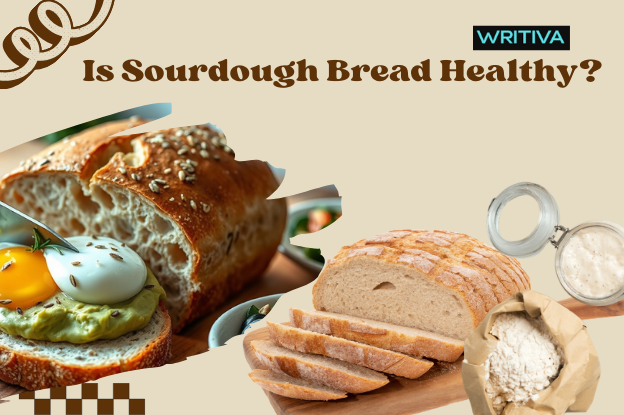
Sourdough bread has become one of the most popular breads in recent years. Loved for its tangy flavor, chewy texture, and artisanal appeal, many people wonder, “Is sourdough bread healthy?” It’s often considered a healthier alternative to standard white or whole wheat bread. If you enjoy questioning whether traditional British foods are good for you, see our guide on whether Bovril is good for you.
Unlike commercial breads that rely on yeast and quick baking, sourdough uses a natural fermentation process with a starter made from flour and water that contains wild yeast and beneficial bacteria. But is sourdough truly healthy, or is it just a trendy food? This guide explores the nutritional value, health benefits, and potential drawbacks of sourdough bread.
By understanding how it affects digestion, blood sugar, nutrient absorption, and overall health, you can decide whether sourdough belongs in your daily diet. Whether you are a health-conscious eater, someone managing blood sugar, or simply a bread lover, this guide will give you everything you need to know about sourdough bread. For a closer look at this, see Bladeless Fan Guide for UK Homes.
Key Facts and Benefits of Sourdough Bread
| Aspect | Details |
|---|---|
| Bread Type | Naturally fermented bread |
| Main Topic | Is sourdough bread healthy |
| Fermentation | Uses starter instead of commercial yeast |
| Flavor | Tangy |
| Texture | Chewy with crisp crust |
| Ingredients | Flour, water, salt, starter |
| Digestibility | Easier than regular bread |
| Gluten | Contains gluten |
| Fiber | Higher in whole-grain versions |
| Glycemic Index | Lower than white bread |
| Nutrient Absorption | Improved by fermentation |
| Minerals | Iron, magnesium, potassium, calcium |
| Vitamins | B vitamins |
| Gut Health | Prebiotics support digestion |
| Energy | Provides steady energy |
| Blood Sugar | Slower rise than white bread |
| Heart Health | Whole-grains support the heart |
| Varieties | Whole wheat, rye, multigrain |
| Best For | Those wanting fermented bread |
| Not Ideal For | Celiac disease |
| Portion | 1–2 slices daily |
| Storage | Room temperature |
| Serving Ideas | With eggs, avocado, or nuts |
| Health Note | Eat in moderation |
| Verdict | Healthy choice for many |
What Is Sourdough Bread?
Sourdough is made through natural fermentation rather than quick-acting commercial yeast. Bakers mix flour and water to create a starter, which develops wild yeast and beneficial bacteria over time. During fermentation, these microbes break down starches and proteins in the dough, producing acids that give sourdough its distinct tangy taste and airy texture.
This extended fermentation also affects the bread’s nutritional profile. Traditional sourdough can take several hours to days to rise, which enhances its flavor and makes it easier to digest than conventional breads.
Nutritional Profile of Sourdough Bread

The nutritional content of sourdough bread depends on the type of flour used. Whole-grain sourdough is richer in fiber and nutrients than white flour versions.
Approximate nutrition per 50g slice:
- Calories: 180–190
- Carbohydrates: 35–36g
- Protein: 2–8g
- Fat: ~1g
- Fiber: 1–2g
- Sugar: <1 g
Key vitamins and minerals:
- Calcium
- Magnesium
- Potassium
- Iron
- B vitamins (folate, niacin)
These nutrients help support energy production, bone health, and overall well-being, making sourdough more than just a tasty bread.
Is Sourdough Healthier Than Regular Bread?

Sourdough’s natural fermentation process provides several health advantages over regular bread.
1. Easier Digestion
Fermentation partially breaks down gluten and complex starches. This makes sourdough easier for many people to digest. While not safe for people with celiac disease, some with mild gluten sensitivity may tolerate it better than standard bread.
2. Supports Gut Health
Sourdough produces prebiotics, which feed beneficial gut bacteria. A healthy gut microbiome contributes to improved digestion, immunity, and even mental well-being.
3. Improved Nutrient Absorption
Grains contain compounds called phytic acids that reduce the absorption of minerals. Sourdough fermentation lowers phytic acid levels, allowing your body to absorb more iron, magnesium, and other vital nutrients.
4. Lower Glycemic Impact
Sourdough bread has a lower glycemic index than white bread, meaning it raises blood sugar more slowly. This can help maintain stable energy levels and support people managing blood sugar.
5. Antioxidant Benefits
Fermentation increases the levels of certain antioxidants in sourdough. These compounds help reduce inflammation and oxidative stress, supporting heart health and overall wellness.
Health Benefits of Eating Sourdough Bread

Eating sourdough in moderation offers multiple health benefits:
- Better Digestion: Easier to digest than many other breads.
- Blood Sugar Management: Slower carb absorption prevents spikes.
- Sustained Energy: Complex carbs release energy gradually.
- Mineral Support: Improved absorption of calcium, magnesium, and iron.
- Heart Health: Fiber and nutrients from whole-grain sourdough support cardiovascular function.
Sourdough Bread vs. Other Popular Breads
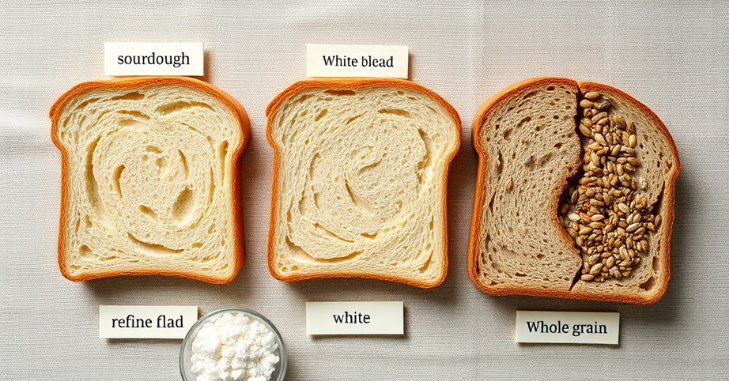
White Bread vs. Sourdough
White bread is made from refined flour and digests quickly, causing faster blood sugar spikes. Sourdough, with natural fermentation, digests more slowly, supports gut health, and allows better nutrient absorption.
Whole Wheat Bread vs. Sourdough
Whole wheat bread is high in fiber and nutrients, but whole-grain sourdough has added benefits from fermentation, including easier digestion and improved mineral absorption.
Rye, Multigrain, and Gluten-Free Options
- Rye bread: Dense, fiber-rich, and better for blood sugar when fermented.
- Multigrain: Extra fiber and nutrients, even better if sourdough fermented.
- Gluten-free: Safe for celiac disease but usually lacks fermentation benefits unless specifically prepared as gluten-free sourdough.
Overall, sourdough, especially whole-grain or rye varieties, offers improved digestion, more stable blood sugar, and gut-friendly nutrients compared to most other breads.
Potential Drawbacks of Sourdough Bread
Even healthy foods have limitations. Consider these points before consuming sourdough daily:
- High in Carbohydrates: Overeating can affect blood sugar and weight.
- Contains Gluten: Not suitable for celiac disease or severe gluten intolerance.
- Variable Fiber: White sourdough has less fiber than whole-grain versions.
- Moderate Sodium: Some breads contain added salt, which can affect blood pressure.
Moderation and choosing whole-grain, traditionally fermented sourdough can help minimize these drawbacks.
Who Should Eat Sourdough Bread?
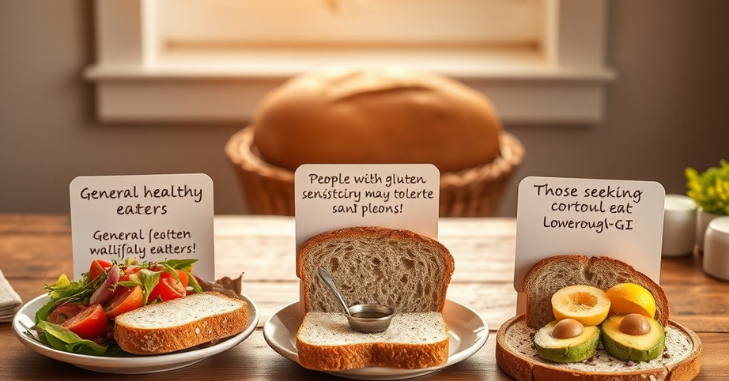
Good for:
- People seeking easier-to-digest bread
- Those wanting slower blood sugar spikes
- Individuals interested in gut-friendly fermented foods
Not ideal for:
- People with celiac disease
- Individuals on very low-carb diets
- People sensitive to sodium
Eating sourdough in moderate portions as part of a balanced diet is generally safe and beneficial.
Tips for Choosing Healthy Sourdough Bread

- Opt for Whole Grains: they provide more fiber and nutrients.
- Check Fermentation Process: Authentic sourdough uses natural starters, not commercial yeast.
- Simple Ingredients: Fewer additives usually indicate better quality.
- Pair with Protein or Healthy Fats: Combining sourdough with eggs, avocado, or nut butter helps balance blood sugar and improve satiety.
Conclusion
So, is sourdough bread healthy? Yes, when eaten in moderation. It’s easier to digest, supports nutrient absorption, and has a gentler impact on blood sugar than conventional breads. Whole-grain sourdough is particularly nutritious, providing fiber, vitamins, and minerals that support overall health.
However, it’s still a carbohydrate-rich food and contains gluten, so it may not suit everyone. Incorporating sourdough into a balanced diet with protein, vegetables, and healthy fats makes it a satisfying and nourishing choice.
Want to know about Katsu Curry Explained: Easy Recipe, Sauce Ingredients, Cubes vs Paste, Rice Tips & Wagamama-Style Flavour Check out our Food category.
Frequently Asked Questions (FAQs)
Yes. Sourdough digests more slowly, supports gut health, and promotes better nutrient absorption than white bread.
Some with mild sensitivity may tolerate it better, but it is not safe for celiac disease.
Yes. Fermentation partially breaks down proteins and starches, making them easier to digest.
Yes. It has a lower glycemic impact than regular bread, which helps stabilize blood sugar.
Moderation is key. One or two slices a day, combined with a balanced diet, is ideal for most people.
Whole grains are preferred for their higher fiber, vitamin, and mineral content.
Yes. The prebiotics and beneficial bacteria from fermentation support a healthy microbiome.