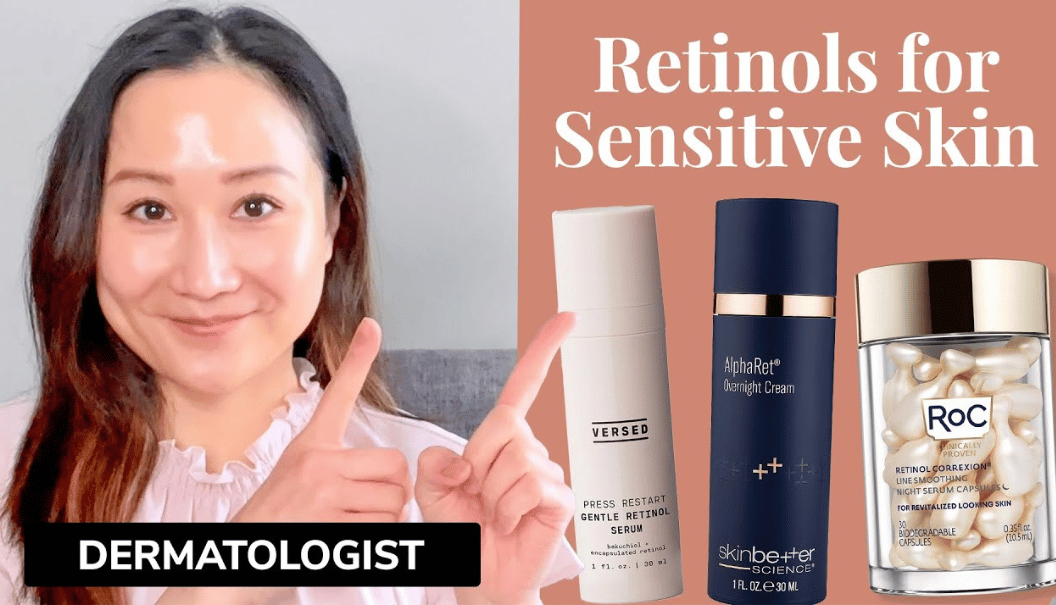
Retinol for Sensitive Skin is widely celebrated as a powerhouse ingredient for improving skin texture, reducing fine lines, and boosting collagen production. Yet for those with sensitive skin, its benefits can come with unwanted side effects like redness, dryness, and irritation. Best retinol for sensitive skin. The good news is that with the right formulations, gentle derivatives, and careful use, these can be avoided.
Sensitive skin doesn’t have to miss out on retinol’s powerful benefits. You can still enjoy a smoother texture, reduced fine lines, and rejuvenated skin. This guide highlights the best retinol products formulated for delicate skin. It also shares usage tips and gentle alternatives for irritation-free results. Achieve healthier, radiant, and glowing skin safely and confidently.
| Section | Key Points |
| What Makes Retinol Sensitive-Skin Friendly? | Low-concentration or encapsulated retinols, soothing ingredients (ceramides, niacinamide, squalane, and aloe), and fragrance-free and non-stripping formulations help minimize irritation. |
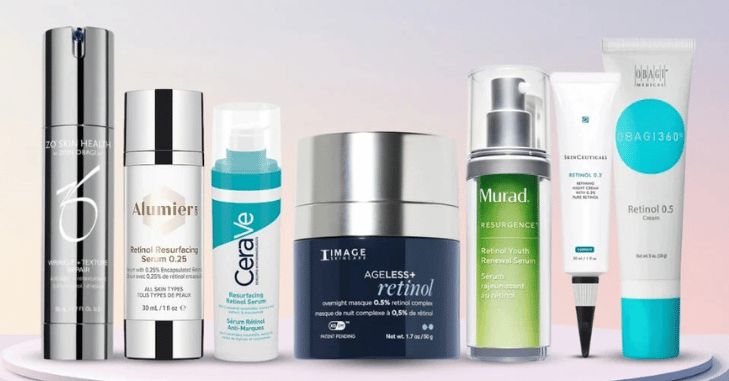
| Top Retinol Picks | CeraVe Skin Renewing Retinol Versed Press Restart Gentle Retinol Serum Cocokind Beginner Retinol La Roche-Posay Retinol B3 Skin Medica Retinol Complex 0.25 |
| How to Use Retinol on Sensitive Skin | Start with 1–2 nights per week, a pea-sized amount, apply at night, and follow with moisturizer. Gradually increase frequency as tolerance builds. |
| Tips for Using Retinol | Start slow, use small amounts, apply at night, layer with moisturizer, and avoid other strong actives on retinol nights. |
| Alternatives if Retinol Irritates | Bakuchiol, plant-based, smooths fine lines and is gentle. Retinyl Palmitate, A mild vitamin A derivative with gradual results, is ideal for extremely sensitive skin. |
| Important Tips for Sensitive Skin | Pair retinol with hydrating ingredients; apply SPF daily; reduce or pause if irritation occurs; introduce retinol gradually. |
What makes the best retinol for Sensitive Skin?
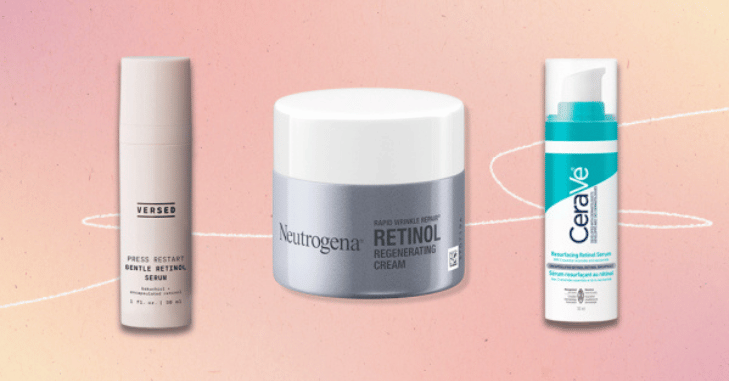
Retinol is renowned for smoothing fine lines, refining skin texture, and boosting collagen for a youthful glow. However, it can be harsh on sensitive skin, causing redness and irritation. Best retinol for sensitive skin. The secret to delicate skin is choosing gentle, carefully formulated retinol products. Enjoy all the benefits of retinol without compromising comfort or skin health.
Ideal options are low-concentration or encapsulated retinols that release gradually to minimize irritation, often with soothing, hydrating ingredients such as ceramides, niacinamide, squalane, or aloe to reinforce the skin barrier. Fragrance-free and non-stripping formulations help prevent flare-ups, making the experience more comfortable.
Top Retinol Picks for Sensitive Skin
Discover the best retinol products for sensitive skin that deliver results without irritation. Carefully formulated to be gentle, hydrating, and effective, these picks help smooth, brighten, and rejuvenate your skin. Perfect for delicate skin types, they let you enjoy all the benefits of retinol safely and comfortably.
CeraVe Skin Renewing Retinol Serum
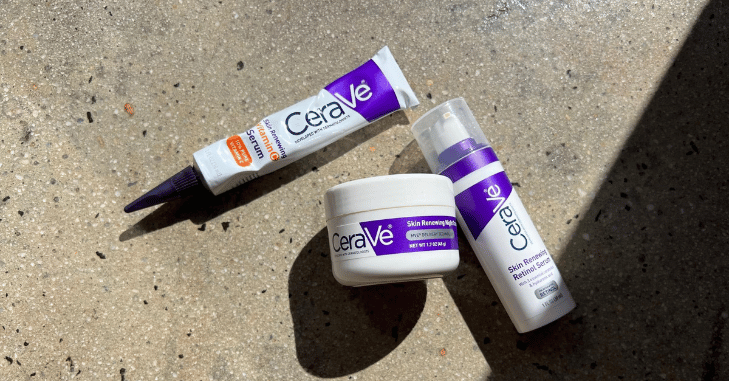
- Dermatologist-recommended formula with ceramides, niacinamide, and hyaluronic acid to strengthen the skin barrier while delivering the benefits of retinol.
- Gentle and soothing, perfect for sensitive or dry skin prone to irritation from stronger retinols.
- Helps smooth fine lines, improve texture, and enhance radiance without compromising comfort.
Versed Press Restart Gentle Retinol Serum
Versed Press Restart Gentle Retinol Serum features microencapsulated retinol and plant-based alternatives like bakuchiol, delivering smooth, radiant skin with minimal irritation. Its gentle formulation makes it perfect for beginners or anyone with very sensitive skin, allowing you to enjoy the benefits of retinol without the harsh side effects.
Best retinol for sensitive skin. Lightweight and soothing, it helps improve skin texture and tone while keeping your skin calm and comfortable. A reliable choice for those seeking effective yet gentle anti-aging results.
Cocokind Beginner Retinol Gel
- Low-strength, time-released retinol formula designed to minimize irritation.
- Enriched with aloe and centella to soothe and calm sensitive skin.
- Perfect for first-time retinol users, gently introducing the skin to the benefits of vitamin A.
- Helps smooth texture, reduce fine lines, and boost radiance without harsh reactions.
La Roche-Posay Retinol B3 Serum
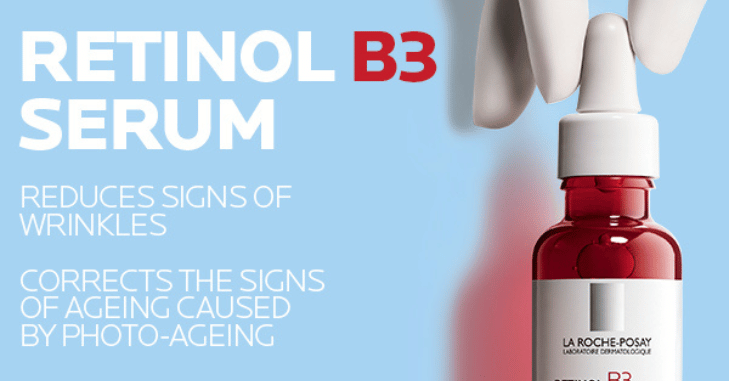
La Roche‑Posay Retinol B3 Serum combines gentle retinol with niacinamide to soothe and strengthen the skin while effectively targeting fine lines and signs of aging. Its carefully balanced formula makes it ideal for sensitive skin that still wants the benefits of anti-aging treatments. Lightweight and non-irritating, it helps improve skin texture, tone, and radiance without causing discomfort. A perfect choice for those seeking gentle yet powerful retinol results.
Skin Medica Retinol Complex 0.25
- Lower-strength, encapsulated retinol that releases slowly to minimize irritation.
- Gentle and soothing, ideal for dry or sensitive skin types.
- Helps smooth fine lines, improve skin texture, and boost radiance without discomfort.
- Provides a gradual introduction to retinol, making it perfect for sensitive skin users seeking anti-aging benefits.
How to Use Retinol on Sensitive Skin?
Introducing retinol gradually is essential to minimize irritation and help your skin adjust. Start with one to two nights per week, using only a pea-sized amount for your entire face. Always apply at night and follow with a gentle moisturizer to soothe and protect the skin barrier. Over time, you can slowly increase frequency as your skin builds tolerance, ensuring safe and effective results.
Tips for Using Retinol on Sensitive Skin
- Start slow: Begin with 1–2 nights per week to allow your skin to adjust.
- Use small amounts: a pea-sized amount for your entire face is sufficient.
- Apply at night: Retinol increases sun sensitivity, so always use it before bed and follow with sunscreen in the morning.
- Layer with moisturizer: Apply moisturizer after retinol, or sandwich it between layers to reduce irritation.
- Avoid other strong actives: Skip acids like AHAs or BHAs on retinol nights to prevent sensitivity.
Alternatives If Retinol Still Irritates
If retinol feels too harsh, gentle alternatives can deliver similar anti-aging benefits with less irritation. Bakuchiol, a plant-based retinol alternative, helps smooth fine lines and improve texture without causing redness or dryness. Retinyl palmitate, a mild vitamin A derivative, converts slowly in the skin, providing gradual results ideal for sensitive skin. These options let you enjoy the benefits of retinoids while keeping your skin calm and comfortable.
Bakuchiol
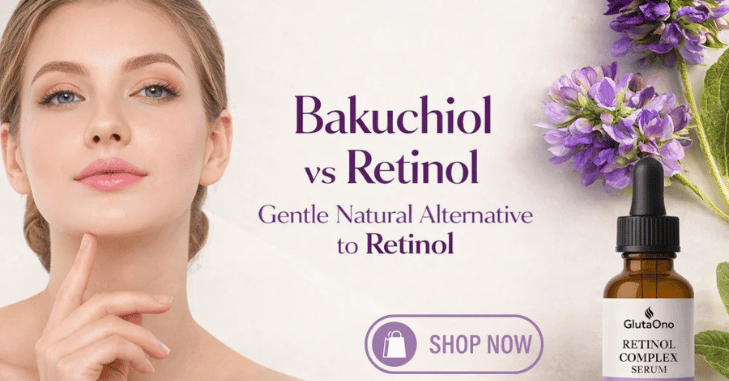
A plant-based retinol alternative that gently smooths skin texture and reduces fine lines.
Helps brighten and even out pigmentation without irritating. Best retinol for sensitive skin. Perfect for sensitive skin, it delivers the benefits of retinol in a calming, natural formula.
Retinyl Palmitate
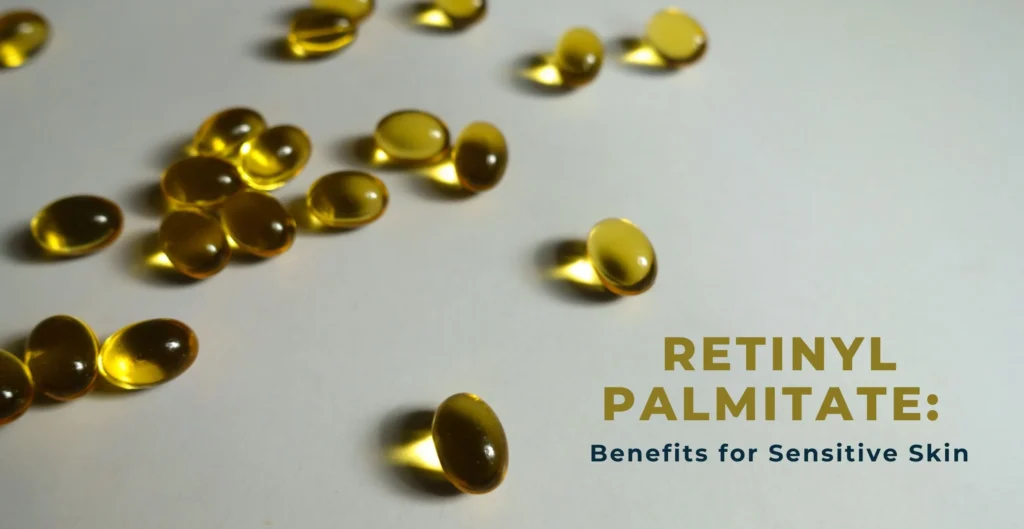
Gentle yet effective, this mild vitamin A derivative works slowly to renew your skin without irritation. Ideal for extremely sensitive skin, it helps improve texture and radiance over time. Experience the benefits of retinoids with a soothing, low-risk formula your skin will love.
Important Tips for Sensitive Skin
• Always pair retinol with hydrating ingredients like hyaluronic acid and ceramides to keep skin nourished. (Who What Wear)
• Apply SPF daily, even indoors, as retinol increases sun sensitivity. (New York Post)
• If irritation occurs, reduce frequency or pause use until your skin has healed.
• Start slow: introduce retinol gradually to allow your skin to adjust comfortably.
Conclusion
The best retinol for sensitive skin doesn’t have to mean missing out on the benefits of retinol. By choosing gentle formulas, introducing them gradually, and pairing them with hydrating, soothing ingredients, you can enjoy a smoother texture, brighter skin, and reduced fine lines without irritation for ultra-sensitive skin. Plant-based alternatives like bakuchiol or mild derivatives like retinyl palmitate provide effective results with minimal risk.
With the right products and a careful routine, even the most sensitive skin can enjoy the benefits of retinoids. Gentle formulations allow for safe, irritation-free use. Over time, skin becomes smoother, brighter, and more radiant. Experience the transformative power of retinoids comfortably and confidently.
If you want to read an interesting article about it, explore our skincare category.
FAQs
When used correctly, the answer is yes. Sensitive skin can still benefit from retinol’s anti-aging and anti-blemish properties.
Retinol should not be mixed with vitamin C, benzoyl peroxide, alpha or beta hydroxy acids, or other retinols or retinoids. Don’t forget to wear sunscreen. Retinols are typically used in nighttime skincare regimens, but even at night, they can still cause persistent sun sensitivity.
The 1-2-3 guideline is what we advise: Take retinol once a week for a week, twice a week for two weeks, and three times for three weeks, and then, if no adverse effects occur, every other night.
According to Zenovia Gabriel, MD, a board-certified dermatologist, “people with sensitive skin conditions like rosacea cannot tolerate really strong topicals like retinols.
Because improper usage of retinoids can cause severe skin irritation, skin irritation (redness and peeling) increases with increasing strength and decreases with decreasing strength.