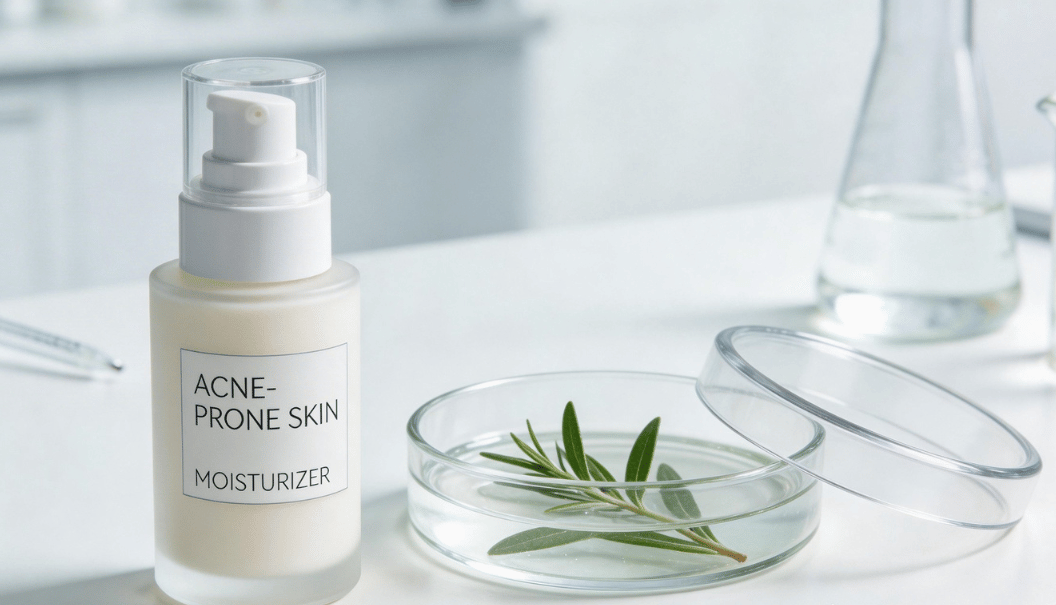
For those struggling to find a balance between hydration and acne control, the best moisturizer for acne-prone Skin also comes in various textures to match skin needs. Gel-based formulas are lightweight and water-based, perfect for oily and combination skin, providing moisture without a greasy residue.
Dermatologists generally recommend choosing moisturizers labelled non-comedogenic and oil-free for acne-prone skin because they hydrate without increasing the likelihood of clogged pores. Ingredients such as hyaluronic acid help attract moisture, niacinamide supports oil regulation and reduces visible redness, while ceramides help strengthen the skin’s protective barrier. Soothing ingredients such as aloe vera and green tea extract may also help calm irritation caused by acne or drying treatments.
Lotions offer a slightly richer texture, ideal for normal to combination skin, and can be layered with acne treatments for enhanced care. Choosing the right moisturizer ensures that the skin remains hydrated, soothed, and protected, all while preventing breakouts and supporting the overall effectiveness of acne management routines.
| Category | Details |
| Definition | A moisturizer designed for acne-prone skin hydrates without clogging pores, balancing oil production and soothing inflammation. |
| Why Moisturizing is Essential | Prevents overproduction of oil, reduces irritation from acne treatments, maintains skin barrier, and supports healing of breakouts. |
| Key Features | Non-comedogenic, oil-free, lightweight texture, soothing ingredients (aloe vera, niacinamide), hydrating agents (hyaluronic acid, ceramides), optional acne-fighting additives (salicylic acid). |
| Best Ingredients | Hyaluronic Acid: hydrates without oil; Niacinamide: reduces inflammation & regulates sebum; Salicylic Acid: exfoliates pores; Ceramides: repair barrier; Aloe Vera & Green Tea: calm inflammation. Avoid heavy oils like coconut or mineral oil. |
| Types of Moisturizers | Gel: lightweight, water-based, quick absorption for oily/combination skin. Lotion: slightly richer, balanced hydration for normal/combination skin. Cream: rich, intense hydration for dry/sensitive acne-prone skin. Oil-Free & Non-Comedogenic: suitable for all acne-prone types. |
| How to Use | Cleanse skin → Apply acne treatments → Apply moisturizer in a thin layer → Moisturize twice daily (morning & night). |
| Top Moisturizers 2026 | Neutrogena Hydro Boost Water Gel, CeraVe PM Facial Moisturizing Lotion, La Roche-Posay Effaclar Mat, Paula’s Choice Clear Oil-Free Moisturizer, Aveeno Clear Complexion Daily Moisturizer. |
| Common Mistakes | Skipping moisturizer, using heavy creams, over-exfoliating, neglecting sunscreen. |
| Tips for Best Results | Choose non-comedogenic, oil-free moisturizers, combine with acne treatments, maintain a consistent routine, use soothing and hydrating ingredients, and patch test new products. |
| Benefits Beyond Acne Control | Promotes balanced skin, reduces redness, supports healing, improves skin texture, and radiance. |
Best Moisturizer for Acne-Prone Skin
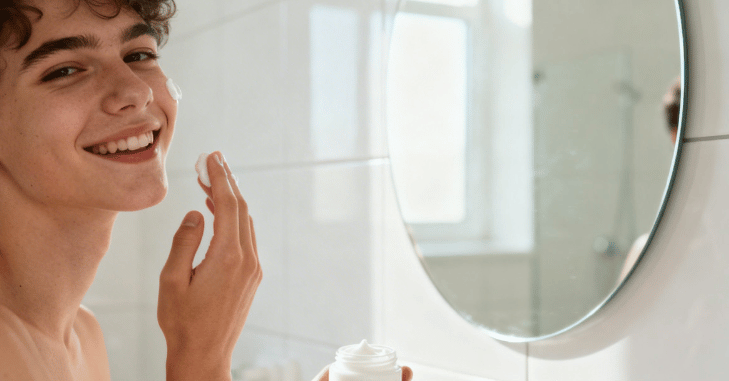
Choosing the best moisturizer for acne-prone skin is a crucial step in maintaining healthy, balanced skin without triggering breakouts. Acne-prone skin often struggles with excess oil, inflammation, and sensitivity, making it essential to select a moisturizer that hydrates without clogging pores.
The ideal moisturizer for acne-prone skin should be lightweight, non-comedogenic, and formulated with beneficial ingredients like hyaluronic acid, niacinamide, or ceramides. Hyaluronic acid provides deep hydration without adding extra oil, and niacinamide helps regulate sebum production and reduce inflammation.
While ceramides restore the skin’s natural barrier, ensuring moisture retention and long-term skin health. Additionally, soothing extracts such as aloe vera and green tea can calm irritated or inflamed skin, making these moisturizers suitable for daily use even alongside acne treatments.
Why Moisturizing Acne-Prone Skin Is Essential?
Acne-prone skin often suffers from excess oil, clogged pores, and inflammation. While it may seem counterintuitive, moisturizing is essential because:
- Prevents Overproduction of Oil: When skin is dehydrated, sebaceous glands produce more oil to compensate, increasing the likelihood of clogged pores.
- Reduces Irritation: Acne treatments like benzoyl peroxide or retinoids can cause dryness and flakiness. Moisturizers soothe and protect the skin.
- Maintains Skin Barrier: A healthy barrier locks in moisture, supports healing, and prevents bacterial infection that can aggravate acne.
- Supports Healing: Hydrated skin recovers faster from breakouts, scars, and inflammation.
Key Features to Look for in Acne-Friendly Moisturizers
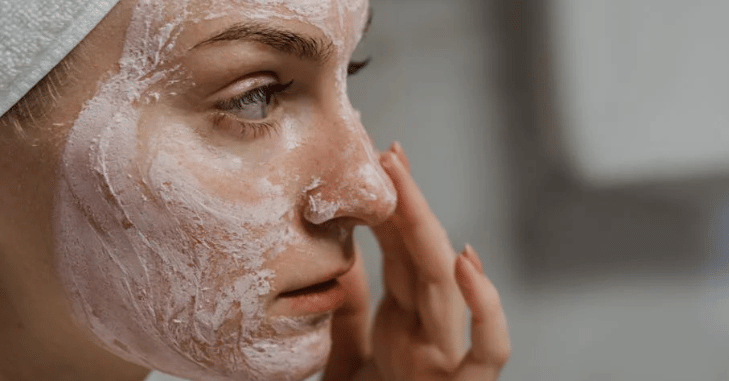
Not all moisturizers are suitable for acne-prone skin. When choosing one, look for these key characteristics:
- Non-Comedogenic: Won’t clog pores or trigger breakouts.
- Oil-Free: Reduces the risk of excess sebum accumulation.
- Lightweight Texture: Gel-based or water-based formulas absorb quickly and avoid heaviness.
- Soothing Ingredients: Aloe vera, niacinamide, or chamomile calm inflammation.
- Hydrating Agents: Hyaluronic acid, glycerin, and ceramides retain moisture without causing oiliness.
- Acne-Fighting Additives (Optional): Salicylic acid or niacinamide helps prevent future breakouts.
Best Ingredients for Acne-Prone Skin
| Ingredient | Benefits for Acne-Prone Skin |
| Hyaluronic Acid | Hydrates skin without adding oil; suitable for all skin types |
| Niacinamide (Vitamin B3) | Reduces inflammation, minimizes pores, regulates sebum production |
| Salicylic Acid | Gentle exfoliant that penetrates pores; helps reduce blackheads and whiteheads |
| Ceramides | Restore and strengthen skin barrier; lock in moisture and support healing |
| Aloe Vera & Green Tea Extract | Calm and soothe inflamed or irritated skin |
| Avoid | Heavy oils (e.g., coconut oil, mineral oil) can clog pores and worsen acne |
Popular Moisturizers Commonly Recommended for Acne-Prone Skin
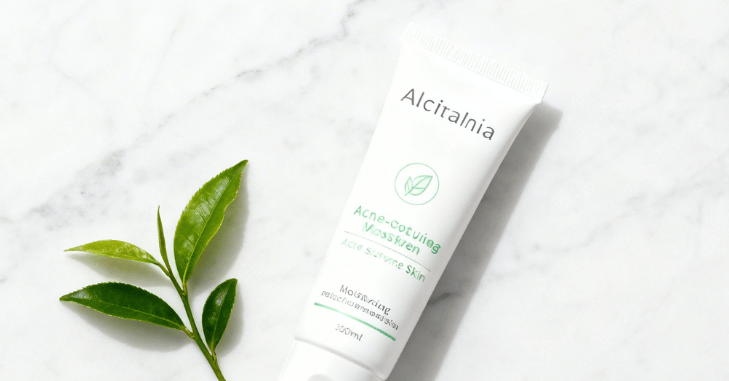
1. Gel Moisturizers
Gel-based moisturizers are lightweight, water-based formulas specifically designed for oily and combination skin types. Their fast-absorbing texture delivers hydration directly to the skin without leaving any greasy or heavy residue, making them ideal for daily use, even under makeup.
Benefits: Quick absorption, non-comedogenic, suitable for humid climates.
2. Lotion Moisturizers
Lotions are slightly thicker than gels but still maintain a lightweight, easily spreadable texture that absorbs quickly into the skin. They are ideal for normal to combination skin, providing balanced hydration without feeling heavy or greasy.
Benefits: Balance hydration and oil control, ideal for daily use.
3. Cream Moisturizers
Creams are richer in texture and provide deeper, more intense hydration compared to gels and lotions, making them ideal for dry or sensitive acne-prone skin. They help restore the skin’s moisture barrier, which can be compromised by acne treatments that often have drying effects.
Benefits: Deeply hydrating, soothing, and protective for skin barrier repair.
4. Oil-Free & Non-Comedogenic Moisturizers
Non-comedogenic moisturizers are specifically formulated to avoid pore blockage, making them suitable for all acne-prone skin types. These products provide essential hydration without contributing to breakouts, allowing the skin to maintain a healthy balance of moisture and oil.
Benefits: Prevents new breakouts while keeping skin hydrated.
How to Use Moisturizer on Acne-Prone Skin?
- Cleanse Your Skin: Start with a gentle, non-comedogenic cleanser.
- Apply Acne Treatments: If you use serums or acne medications, apply them first.
- Use Moisturizer: Apply a thin layer using upward, circular motions to ensure even absorption.
- Frequency: Moisturize twice daily, morning and night, to maintain optimal hydration.
Moisturizers for Acne-Prone Skin in 2026
Neutrogena Hydro Boost Water Gel
This lightweight gel moisturizer contains hyaluronic acid to improve hydration without leaving a greasy finish. Its oil-free, non-comedogenic formula makes it a popular option for oily and combination skin.
CeraVe PM Facial Moisturizing Lotion
Formulated with ceramides, niacinamide, and hyaluronic acid, this moisturizer focuses on supporting the skin barrier while providing lightweight overnight hydration. It is frequently recommended for people using drying acne treatments.
La Roche-Posay Effaclar Mat
This moisturizer is designed for oily skin and aims to reduce excess shine while maintaining hydration. Its lightweight texture makes it suitable for daytime use under sunscreen or makeup.
Paula’s Choice Clear Oil-Free Moisturizer
This fragrance-free moisturizer is formulated for blemish-prone skin and provides lightweight hydration without heavy oils. It can help minimise dryness associated with acne treatment routines.
Aveeno Clear Complexion Daily Moisturizer
Containing salicylic acid, this lotion provides light hydration while helping to keep pores clear. Users with sensitive skin may wish to introduce products containing salicylic acid gradually.
Note: These products are included as widely available examples based on their pu
Common Mistakes to Avoid
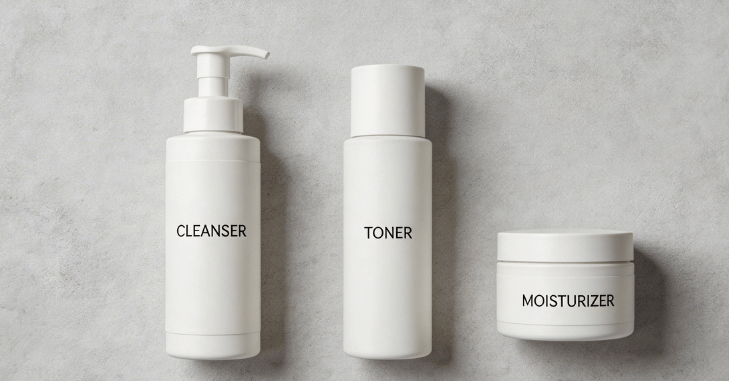
Many people make common mistakes when caring for acne-prone skin that can worsen breakouts or irritation. Skipping moisturizer is one of the biggest errors, as it leads to dryness, increased irritation, and triggers the skin to produce more oil, which can clog pores.
Using heavy creams is another mistake, since thick or oily formulations can block pores and exacerbate acne. Over-exfoliating by using too many active ingredients can damage the skin’s protective barrier, leaving it sensitive and prone to inflammation.
Additionally, neglecting sunscreen is a critical oversight; acne-prone skin is still vulnerable to sun damage, which can worsen post-acne marks and hyperpigmentation. By avoiding these mistakes, you can maintain a healthier, more balanced complexion while preventing unnecessary breakouts.
Tips for Best Results
- Choose non-comedogenic, oil-free moisturizers suitable for your skin type.
- Combine hydration with gentle acne treatments.
- Maintain a consistent routine morning and night.
- Use products with soothing and hydrating ingredients to reduce inflammation.
- Patch test new products to avoid allergic reactions or irritation.
Benefits Beyond Acne Control
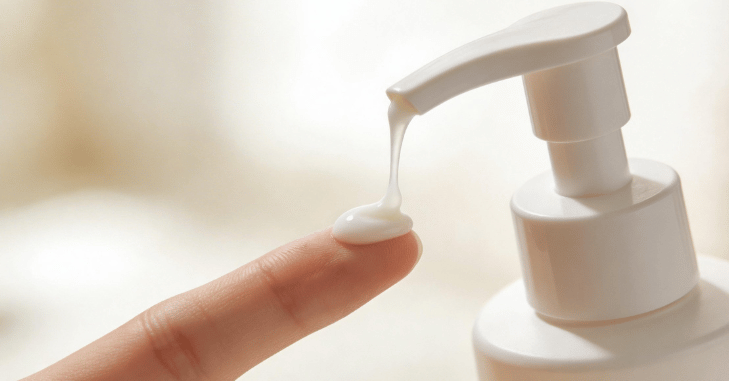
Using the right moisturizer for acne-prone skin provides more than hydration:
- Promotes healthier, balanced skin.
- Reduces redness and irritation caused by acne treatments.
- Supports healing of active breakouts and scars.
- Improves overall skin texture and radiance.
Conclusion
Choosing the best moisturizer for acne-prone skin is essential for achieving a balanced, healthy complexion while managing breakouts. The right moisturizer not only hydrates but also soothes irritation, supports the skin barrier, and works in harmony with acne treatments.
Whether you choose a gel, lotion, or cream, selecting a non-comedogenic moisturizer with ingredients such as hyaluronic acid, niacinamide, and ceramides can help maintain hydration while supporting acne-prone skin. The most suitable product depends on your skin type, treatment routine, and personal preferences.
Want to know about Best Whitening Toothpaste for Sensitive Teeth: A Complete Guide to Prices, Ingredients, Results, Reviews & Reddit Recommendations Check out our Lifestyle category.
FAQs
Moisturizing prevents overproduction of oil, reduces irritation from acne treatments, maintains the skin barrier, and supports faster healing of breakouts.
Gel-based, water-light formulas are ideal for oily or combination skin as they hydrate without leaving a greasy residue or clogging pores.
Yes, using a lightweight, non-comedogenic moisturizer helps counteract dryness and irritation caused by acne medications, improving comfort and results.
Hyaluronic acid for hydration, niacinamide for reducing inflammation and regulating oil, ceramides for skin barrier repair, and soothing extracts like aloe vera or green tea.
Heavy or oily creams can clog pores and worsen breakouts, so they are best reserved for dry or sensitive acne-prone skin, especially in colder months.
Twice daily, morning and night, after cleansing and applying acne treatments, to maintain optimal hydration and skin barrier health.