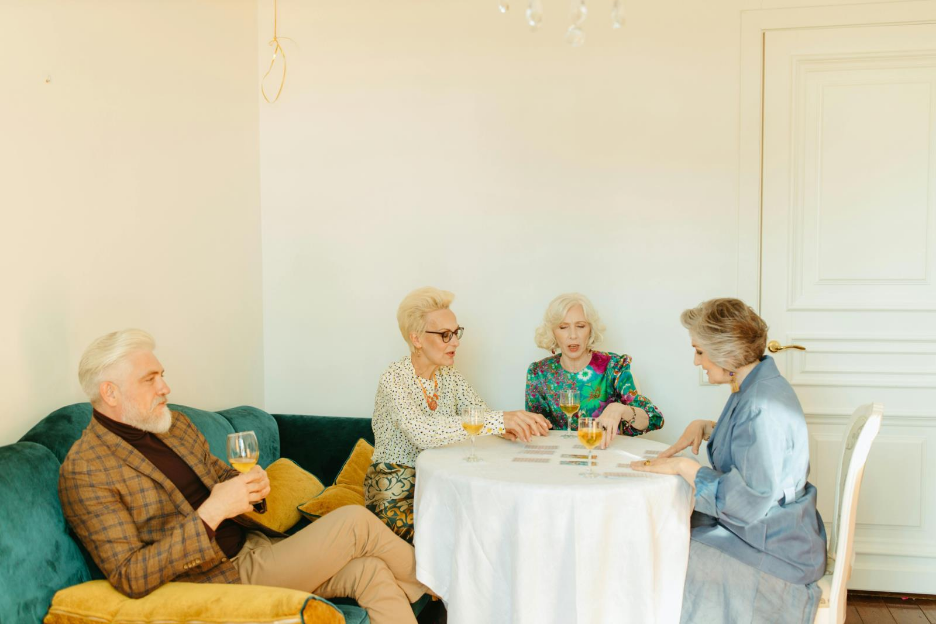
As individuals grow older, their environment and sense of community become increasingly important to their overall well being. The right surroundings can support emotional balance, physical health, and a strong sense of belonging. Senior living communities are designed with these priorities in mind, offering spaces that help older adults thrive. When seniors live in an environment that meets their needs and provides meaningful social opportunities, they experience greater comfort, connection, and quality of life.
Creating a Supportive Physical Environment
A supportive environment begins with thoughtful design. Senior living communities focus on making physical spaces comfortable, accessible, and easy to navigate. Wide hallways, gentle lighting, and barrier free layouts allow seniors to move confidently. These features reduce the risk of falls and help older adults maintain independence. Natural light, comfortable seating areas, and peaceful outdoor spaces also play an important role in well being. A calming atmosphere helps reduce stress and encourages daily engagement. When communities offering assisted living and memory care incorporate these elements, the environment becomes a foundation for physical and emotional wellness.
The Role of Nature in Senior Well-Being
Access to nature has a powerful effect on mental and physical health. Walking paths, gardens, and landscaped outdoor areas create opportunities for fresh air and gentle movement. Spending time outside can improve mood, support circulation, and encourage social interaction. Many seniors find comfort in simple outdoor routines such as gardening, morning walks, or enjoying the sunlight from a shaded bench. These moments promote relaxation and provide an uplifting break from indoor settings. When natural elements are integrated into the community’s design, seniors benefit from a greater sense of peace and balance.
Social Connection as a Source of Emotional Health
Community is a significant contributor to senior well being. Social interaction helps older adults feel seen, valued, and connected. Isolation can lead to emotional challenges such as loneliness or depression, while strong social networks help seniors maintain a positive outlook. Senior living communities encourage daily opportunities for meaningful interaction. Group events, meals, clubs, and shared spaces allow residents to build friendships and develop a sense of belonging. These interactions help strengthen emotional resilience and create a fulfilling social environment.
Supportive Relationships With Caregivers
Relationships with caregivers also influence emotional and physical wellness. Senior living communities prioritize compassionate, respectful care that honors each resident’s individuality. Caregivers learn personal routines, preferences, and communication styles, creating trust and comfort. This support becomes especially important in environments designed for assisted living and memory care. Residents feel more secure when they know help is available and delivered with patience and understanding. Consistent, caring relationships contribute to a stronger sense of emotional safety.
Structure and Routine for Stability
Daily routine provides structure that supports both cognitive and emotional health. Predictable schedules help seniors feel grounded, especially those experiencing cognitive changes. Meals at set times, regular activities, and consistent wellness programs create a rhythm that residents can rely on. This helps reduce anxiety and promotes meaningful engagement throughout the day. Routines also support healthy sleep patterns, improve focus, and provide stability. In communities offering specialized care, structured routines enhance the feeling of security and support cognitive well being.
Opportunities for Meaningful Engagement
Engagement in hobbies, activities, and purposeful tasks brings joy and energy to daily life. Art classes, music programs, book discussions, exercise sessions, and social gatherings encourage seniors to express themselves and stay mentally stimulated. These activities promote creativity, curiosity, and confidence. Meaningful engagement also strengthens social bonds, as residents participate in shared experiences and develop connections with others. When seniors stay engaged, they feel more fulfilled and maintain a stronger sense of identity.
Emotional Safety Through Familiarity
Familiarity plays a major role in senior well being, particularly for individuals experiencing memory loss. Environments designed for memory support use comforting decor, recognizable layout patterns, and soothing elements that reduce confusion. Personal items, photographs, and familiar routines help residents feel at home. Emotional safety arises when seniors recognize their surroundings and can move confidently throughout their living space. This familiarity reduces stress and helps maintain cognitive function for as long as possible.
Access to Wellness and Health Resources
Health services provided within senior living communities make it easier for older adults to maintain their wellness. Regular check ups, therapy programs, fitness opportunities, and medication support contribute to overall stability. When health needs are met without added stress, seniors experience greater comfort and peace of mind. Convenient access to wellness resources encourages residents to stay proactive about their health, further enhancing their quality of life.
Community Support for Families
The environment and community impact not only seniors but also their families. Knowing that their loved one is in a supportive, enriching space offers reassurance and reduces emotional strain. Families appreciate the opportunity to visit and participate in community events, strengthening connections and creating shared memories. This partnership between families and the community helps ensure seniors receive the best possible care.
Conclusion
Environment and community play essential roles in shaping senior well being. Supportive design, meaningful relationships, daily engagement, and access to health resources all contribute to a fulfilling lifestyle. Communities that offer memory care create spaces where older adults feel safe, valued, and connected. When seniors live in an environment that nurtures both body and mind, they experience greater comfort, happiness, and quality of life.
Apart from that, if you’re interested in learning more about Cable Lateral Raises: The Ultimate Shoulder-Sculpting Exercise for Strength, Definition, Symmetry, and More Info be sure to visit our Health category.