In lots of British homes, stuff like loose door handles, light fixtures, and shelves are pretty common. They might seem like no big deal at first, but leaving them can cause bigger headaches later. Picture yourself tripping over a wonky shelf or dealing with a light that sparks out of nowhere. These things can lead to accidents, injuries, or even mess up your place. It’s smart to fix these things quickly—not just to keep safe, but also to dodge pricey repairs in the future. Tackling them early can save you cash by stopping bigger issues before they start. This guide’s got some handy tips to help you sort out these loose bits, keeping your home safe and your wallet happy.
Safety Hazards of Loose Fixtures
Loose stuff around your house can be sneaky dangers, putting you at risk without you even knowing it. Things like books falling from wobbly shelves can hit you, causing anything from small bumps to nasty head injuries. And don’t forget about loose carpets—especially on stairs—they’re just waiting to trip you up and cause a bad fall. Every year, more than 200,000 people in the UK end up in A&E because they tripped or fell, and a lot of these accidents could be avoided with some easy fixes at home.
So, it’s a good idea to check your home now and then for any loose bits and bobs. You could try gently wobbling shelves or handles to see if they move, or look out for anything that seems off. Making small repairs part of your regular routine can keep everyone, including your guests, safe from silly accidents. Doing this not only stops injuries but also makes your home a safer place for everyone.
Preventative Maintenance and Home Safety
Ignoring small problems like a loose screw can lead to bigger headaches that cost time and money. Think about a loose door hinge. If you leave it, the door can get wonky and mess up the door frame. It might even mess with the house’s structure. Or a wobbly light fixture—it might not seem like a big deal, but it could start an electrical fire.
Doing regular check-ups around your home is super important. Little things like tightening screws or checking for wear can save you from big repair costs. Got a shaky handrail? Fixing it right away can stop accidents and keep you from having to replace it later.
Being proactive about home repairs boosts safety and cuts down on stress in the long run. Spending some time on these small fixes means less worry and a safer, comfier home. Regular maintenance not only protects your house but makes living in it more enjoyable, giving you the peace of mind that everything’s in good shape. This way, your home stays a safe and comfy haven.
Tools and Materials for Quick Repairs
Having the right tools is super important when you’re fixing stuff at home. Think of a toolkit as your backup, making sure little problems don’t get out of hand. It can save you time, effort, and cash by quickly tightening loose fixtures.
Choosing the Right Tools
Picking the right tool for each job makes repairs easier. You know, like using a Phillips screwdriver for screws with cross slots and a flathead for straight slots. And if you’re dealing with electric stuff, make sure your pliers have insulated grips for safety.
Organizing a Home Repair Kit
Keep your tools in order to be ready for quick fixes. Use a strong toolbox or a special drawer to keep them tidy. Check and refill your kit regularly so you’re always prepared for any repair emergencies.
Having the right tools makes fixing things not only easier but also faster. Keep your tools in good shape and replace any that are worn out. Being prepared means you can handle repairs quickly, keeping your home safe and in good shape.
Step-by-Step Instructions for Repairs
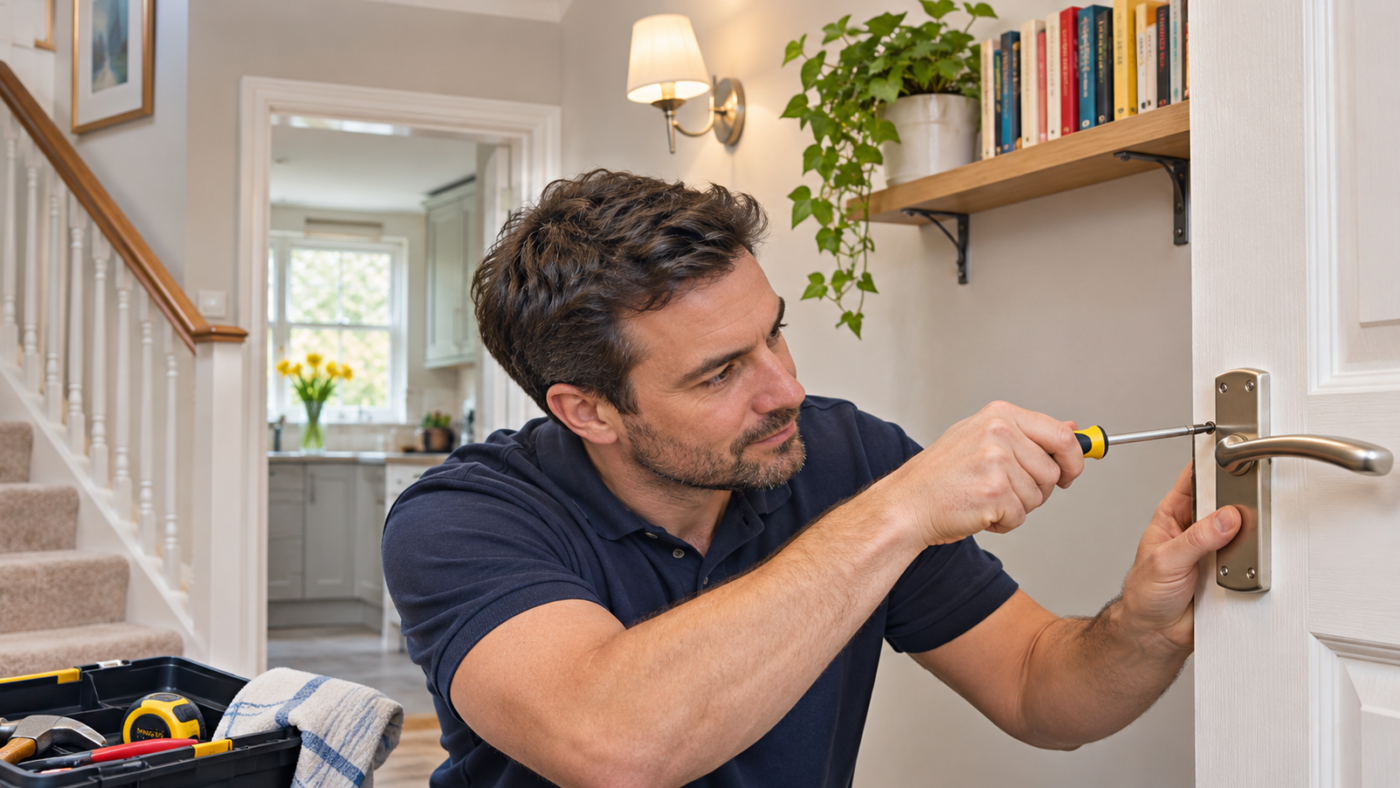
Taking on small repair jobs at home can be pretty simple and satisfying. Knowing how to fix loose stuff keeps your things safe and lasting longer. Like, if your door handle’s all shaky, grab the right screwdriver and tighten those screws. Sometimes you’ll need to take the handle off to see if anything’s worn out. Swap out any bad parts and put the handle back on nice and snug. Got wobbly shelves? Check that the brackets and screws are tight. If any brackets look bent or dodgy, switch them out to keep everything steady.
Safety Tips During Repairs
– Safety first! Always turn off the power at the breaker when messing with electrical things, like flickering lights.
– Use tools with insulated grips to avoid shocks.
– Snap a few photos while you work. They’ll help if you ever need to do the same fix later.
– Don’t rush. Take your time to do it right and avoid the problem coming back. These fixes usually take less than half an hour, but they’re super important for a safe, sorted home.
Long-term Financial Benefits of Regular Maintenance
Looking after your home regularly isn’t just about keeping it safe—it’s also a clever way to save money in the long run. Keeping up with the little things can help you dodge massive repair bills later. Like, if you take care of your roof, you might avoid costly water damage, which means more cash in your pocket. Plus, when your home’s in good shape, it usually sells for more. Buyers are happy to pay extra for a house that doesn’t need immediate fixing up.
Setting up a regular maintenance plan is pretty handy. It reminds you to check on important stuff like pipes, wiring, and the building itself. By sticking to it, you can catch small problems before they turn into big headaches. This keeps your home’s value up and can even make it worth more, turning it into something people really want.
Think of these maintenance tasks as putting money into your home’s future. They don’t just keep the place valuable; they also give you peace of mind. Knowing everything’s in order and well-cared-for just feels good, making all those check-ups totally worth it.
Making Home Repairs More Efficient
If you want to make fixing things around the house easier, try doing similar jobs together. Like, if a few door handles need tightening, sort them all out at once so you don’t have to keep grabbing your tools. Set aside some time just for these jobs so nothing gets forgotten.
Getting your family involved can be a big help, too. It lightens the load, brings everyone together, and teaches handy skills for later on.
It’s super important to stay organized, and having a checklist can make sure you don’t miss anything. Start with the most urgent fixes, using what you’ve already got at home. With a bit of planning, these chores can actually be fun and satisfying, turning regular upkeep into something that boosts the safety and comfort of your home.
Conclusion
It’s super important to sort out any loose bits and bobs around the house to keep things safe and comfy. Checking and fixing these little things regularly stops accidents and saves you from big repair bills later on. When everything’s in good nick, your home feels more secure and fun to be in. Plus, you’ll feel pretty chuffed knowing your efforts help keep the place nice. Why not have a wander around your home today and see if anything needs a fix? It’s a great way to make sure everyone stays safe and the house runs smoothly.