Magazine advertising is entering a bold new chapter driven by advanced technology, shifting consumer expectations, and renewed appreciation for high-quality print experiences. As digital platforms become increasingly crowded, brands are turning back to magazines for deeper engagement, stronger credibility, and memorable storytelling.
The future of magazine ads is shaped by innovations like AR, data-driven targeting, premium print finishes, and cross-channel strategies that connect physical pages with digital actions. In the coming years, print advertising will evolve into a more personalized, interactive, and emotionally compelling medium, cementing its value within modern marketing ecosystems.
Core Elements Shaping the Future of Magazine Ads
| Feature/Concept | Description |
|---|---|
| Print Credibility | Magazine ads hold higher trust than digital formats. |
| AR Integration | Adds interactive digital layers to print pages. |
| Premium Paper Quality | Enhances tactile appeal and brand perception. |
| Niche Publications | Targets specific, high-intent audiences. |
| Data-Driven Targeting | Uses analytics to refine ad placement. |
| Eco-Friendly Printing | Uses recycled paper and sustainable inks. |
| Personalized Print Ads | Tailored messages using Variable Data Printing. |
| Interactive Textures | Embossing, metallics, and scented elements. |
| Visual Storytelling | Emotion-driven, editorial-style ad design. |
| Cross-Channel Integration | Connects print with digital through QR codes. |
| AI-Optimized Creative | AI enhances design, layout, and targeting. |
| Advertorial Content | Provides value-based, editorial-style ads. |
| Subscriber Engagement | Higher loyalty and deeper ad interaction. |
| Luxury Brand Placement | Preferred by premium brands for prestige. |
| Long Shelf Life | Magazines remain in homes for months or years. |
| High-Resolution Imagery | Superior print quality boosts visual impact. |
| Slow-Reading Environment | Encourages deeper attention and retention. |
| Multi-Sensory Features | Engages multiple senses for memorable ads. |
| Measurable Print Metrics | Trackable via QR codes, promo codes, and AR. |
| Audience Trust | Readers trust magazine content and ads more. |
| Hybrid Ad Campaigns | Combines print, digital, and social media. |
| Emotional Branding | Uses storytelling to build strong connections. |
| Minimalist Layout Trends | Clean, simple designs for modern appeal. |
| Premium Magazine Categories | Fashion, lifestyle, travel, and wellness. |
| High ROI for Premium Brands | More substantial impact and long-term conversion value. |
Evolving Consumer Behavior and the New Role of Print Media
Shifting Reader Preferences
As digital fatigue grows, consumers are craving slower, distraction-free reading experiences. Magazine readers tend to spend more time engaging with ads because the environment feels curated and intentional. Unlike digital platforms filled with pop-ups and rapid scrolling, magazines offer uninterrupted attention, a significant advantage for advertisers.
Why Print Still Matters
Print media maintains strong credibility, especially in industries like health, fashion, travel, finance, and lifestyle. When a brand appears in a trusted magazine, consumers automatically perceive it as more reputable. In the upcoming years, brands will increasingly use print to reinforce authority and elevate brand positioning, especially when appealing to high-value audiences.
The Rise of Premium Print Experiences

Luxury-Level Ad Presentation
Premium magazine ads now feature thicker paper stocks, foil stamping, UV-coated textures, and even hand-crafted elements. These enhancements provide a tactile engagement that digital channels cannot replicate.
Why Premium Designs Convert Better
Readers associate premium print quality with brand excellence. High-end visuals and materials elicit emotional responses that influence purchase decisions, making luxury-level magazine ads a strong choice for fashion, beauty, and lifestyle brands seeking a deeper impact.
Integration of Augmented Reality (AR) in Magazine Advertising
Blending Physical and Digital Worlds
AR is one of the most transformative innovations in print advertising. When users scan a magazine page, 3D models, product walkthroughs, or virtual environments “pop out,” seamlessly connecting print with digital storytelling.
Enhanced Engagement Through Immersive Features
This trend enables consumers to interact with products before buying them. For example:
- A beauty brand can show a tutorial video.
- An automotive brand can showcase a 360° interior tour.
- A clothing brand can offer virtual try-ons.
This hybrid experience bridges trust-building print content with the immediacy of digital actions.
Data-Driven Print Advertising and Smarter Targeting
AI-Based Audience Insights
Publishers are now using AI-based tools to study subscriber interests. They analyze:
- Reading patterns
- Purchase behaviors
- Lifestyle categories
- Demographic traits
- Engagement analytics
Improving Campaign Precision
This data helps advertisers place the right ads in the right issues for maximum impact. Future magazine ads will be built more strategically on analytics and real audience insights rather than broad assumptions.
Sustainable and Eco-Focused Print Practices

Eco-Friendly Materials
Sustainability is now a central selling point for print publications. Magazines are adopting:
- Recycled paper
- Soy-based or vegetable-based inks
- Waterless printing technologies
- Energy-efficient printing presses
Building Trust Through Sustainability
Eco-conscious readers prefer brands that demonstrate environmental responsibility. Highlighting green certifications inside magazine ads will become a strategic trust-building tactic.
Hyper-Creative Ad Design and Visual Storytelling

Emphasis on Narrative-Driven Layouts
Magazine ads are moving away from cluttered product placements and toward clean, emotional storytelling. Brands are emphasizing lifestyle aspirations, relatable narratives, and cinematic moments that reflect absolute consumer values.
Modern Creative Direction
Expect more ads featuring:
- Editorial photography
- Minimalist designs
- Authentic human-centered visuals
- Culturally diverse representation
These creative choices help ads stand out and create deeper emotional resonance.
Cross-Channel Advertising: Print Working with Digital

Print as a Support Tool for Digital Campaigns
Magazine ads are increasingly used to drive traffic to:
- Websites
- Social media pages
- E-commerce platforms
- Personalized landing pages
Enhanced Tracking and Conversion
QR codes, short URLs, promo codes, and near-field communication (NFC) tags help advertisers track how many readers engage with a print ad. This integration creates a more measurable, data-backed approach to print marketing.
Niche Publications and Hyper-Targeted Print Networks
Rise of Specialized Magazines
Niche magazines appeal to communities with strong interests, from vegan cooking and pet care to luxury homes and adventure travel. These publications have loyal readerships, making them ideal for advertisers seeking high-intent audiences.
Better Audience Alignment
Niche print ads often drive higher engagement because the content is deeply aligned with readers’ passion points. Advertisers can speak directly to motivated consumers without competing against irrelevant noise.
Interactive Print Features That Boost Engagement
Tactile and Sensory Elements
Print magazines now include sensory-driven elements such as:
- Embossed textures
- Metallic gloss
- Scent-infused pages
- Peel-and-reveal stickers
- Pop-up 3D structures
Creating Memorable Brand Experiences
These features elevate brand recall. A perfume ad with scented ink or a food brand with scratch-and-sniff visuals builds emotional connections that digital ads can’t replicate.
Personalized Print Advertising Through Variable Data Printing

Customization at Scale
VDP technology allows each magazine copy to contain:
- Customized reader names
- Personalized product recommendations
- Location-specific offers
- User-segmented visuals
Boosting Reader Interaction
Personalized ads feel exclusive and tailored, dramatically increasing reader engagement and response rates. Future magazines will use personalization as a standard advertising feature.
Advertorials and Branded Editorial Content
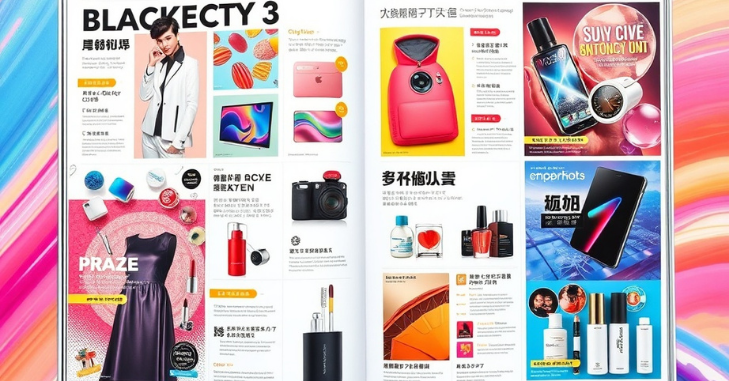
A Shift Toward Informative Advertising
Advertorials are becoming preferred because they deliver value rather than interruption. Brands can write:
- Case studies
- Industry analyses
- Product comparisons
- Expert tips
- Behind-the-scenes stories
Value-Driven Storytelling
Readers engage deeper with editorial-style advertising because it feels educational, helpful, and authentic. This will continue to dominate as brands focus on trust-building content.
AI-Enhanced Creative Development and Print Optimization
AI as a Creative Partner
AI tools help designers generate layout variations, predict viewer engagement, and identify top-performing design trends. They can also analyze competitor ads to highlight gaps and opportunities.
Design Efficiency and Consistency
Future magazine advertising teams will rely on AI for:
- Color optimization
- Typography enhancement
- Layout balancing
- Automated resizing
- Predictive performance modeling
AI will cut production time while improving creative quality.
Subscription-Driven Print Advertising Growth
Stronger Reader Loyalty
Magazine subscribers are active, engaged, and highly loyal. Because they commit financially, they also show deeper trust toward ads in their preferred publications.
Premium Access and High ROI
Subscription-based magazines deliver:
- More predictable readership
- Higher page engagement
- Better ad visibility
- Lower competition compared to digital feeds
This makes them one of the strongest advertising environments for premium brands.
Print as a Luxury Branding Channel

Creating Emotional Prestige
Luxury brands rely on print because it conveys a sense of timelessness, artistry, and premium quality. It conveys a sense of prestige that cannot be replicated on digital screens.
Why High-End Brands Prefer Print
In categories like luxury fashion, watches, real estate, and cars, print ads still outperform digital in:
- Perceived value
- Emotional impact
- Visual quality
- Brand storytelling
For upscale audiences, print remains a symbol of exclusivity and refined communication.
Conclusion
The future of magazine ads is defined by innovation, creativity, and strategic integration with digital media. As brands seek to stand out in an oversaturated online environment, print remains a trusted, immersive platform that delivers meaningful engagement.
From AR-powered experiences and eco-conscious production to personalized layouts and niche publication targeting, magazine ads are becoming more innovative, more interactive, and more aligned with consumer needs. In the years ahead, magazine advertising will continue to thrive as an essential tool for building authority, inspiring emotion, and creating long-lasting brand impact.
Want to know about The Future of Ambush Marketing: Trends, Digital Innovations, Influencer Involvement, and How Brands Will Continue to Disrupt Events in the Coming Years Check out our Digital Marketing category.
Frequently Asked Questions (FAQs)
Yes. Magazine ads remain highly effective because they offer credibility, deeper engagement, and a distraction-free environment. Readers spend more time with print content, making ads more memorable and influential than many fast-scroll digital formats.
Industries such as fashion, beauty, luxury goods, automotive, lifestyle, health, travel, and home décor benefit the most. These sectors rely on visual storytelling, premium presentation, and high reader trust, strengths that magazines naturally deliver.
Yes. Modern magazine ads use QR codes, promo codes, UTM links, and AR tracking to measure engagement, conversions, and reader behavior. These tools give advertisers accurate performance insights.