Guinness, the iconic Irish stout, is much more than just a popular beer; it’s a symbol of tradition, craftsmanship, and rich flavor. With its dark, creamy texture, distinctive roasted taste, and legendary cascading pour, Guinness has captivated drinkers around the world for centuries. But beyond its reputation as a classic indulgence, many people wonder, “Is Guinness good for you?”
While it’s still an alcoholic beverage, moderate consumption has been linked to certain nutritional benefits, including antioxidants, trace minerals, and a lower calorie count compared to many other beers.
This comprehensive guide explores whether Guinness is good for you, examining its nutritional facts, potential health benefits, risks, and safe consumption tips so you can enjoy it wisely.
| Category | Overview |
| Type | Irish Dry Stout |
| ABV (Alcohol by Volume) | 4.2–4.3% |
| Calories (12 oz) | 125 kcal—When asking is good for you, its lower calorie count makes it a lighter option |
| Carbohydrates | 10 g—Considered in moderation when evaluating, it is good for you |
| Protein | 1 g—Small contribution to nutrition when asking i Guinness good for you?” |
| Fat | 0 g |
| Iron | 1 g—Small contribution to nutrition when asking if Guinness good for you?” |
| Potassium | 180 mg |
| Sodium | 10 mg |
| Antioxidants | Moderate (polyphenols from roasted barley)—key factor in evaluating |
| Health Benefits | Low-calorie option, antioxidants, potential heart support, small iron contribution, social/mood benefits |
| Potential Risks | Alcohol-related risks (liver, BP, dependency), carbs affecting blood sugar, interactions with medications, not suitable for certain individuals (pregnant, liver conditions, addiction history)—essential to consider |
| Heart Health | Moderate consumption may improve circulation, reduce clotting risk, and provide a mild HDL cholesterol boost—relevant to is good for you |
| Weight Management | Lower calorie than many beers, but overconsumption or pairing with high-calorie food may cause weight gain—important for Guinness’s good-for-you considerations |
| Safe Consumption Tips | 1 pint/day for women, up to 2 for men; avoid binge drinking; pair with food; stay hydrated; check for medication interactions |
Is Guinness Good for You?
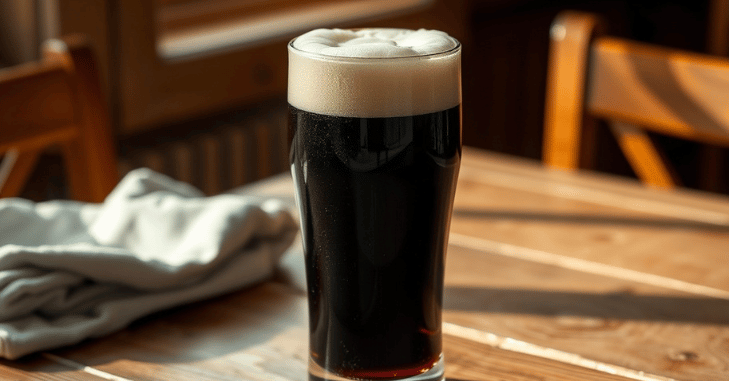
Guinness, the iconic Irish stout, is famous for its dark, creamy texture, rich roasted flavor, and smooth pour. Loved by millions worldwide, it has sparked curiosity about its health effects and nutritional profile. Additionally, enjoying Guinness responsibly can contribute to social interaction, relaxation, and even mental well-being.
Many people ask, “Is Guinness good for you?” especially given its reputation as a lower-calorie beer with antioxidants and trace minerals. While it is not a health food, moderate consumption of Guinness may offer certain benefits, including support for heart health, relaxation, and social enjoyment.
Nutritional Facts of Guinness
| Nutrient | Amount per 12 oz |
| Calories | 125 kcal |
| Carbohydrates | 10 g |
| Protein | 1 g |
| Fat | 0 g |
| Alcohol | 4.2% ABV |
| Iron | 0.3 mg |
| Potassium | 180 mg |
| Sodium | 10 mg |
Health Benefits of Guinness
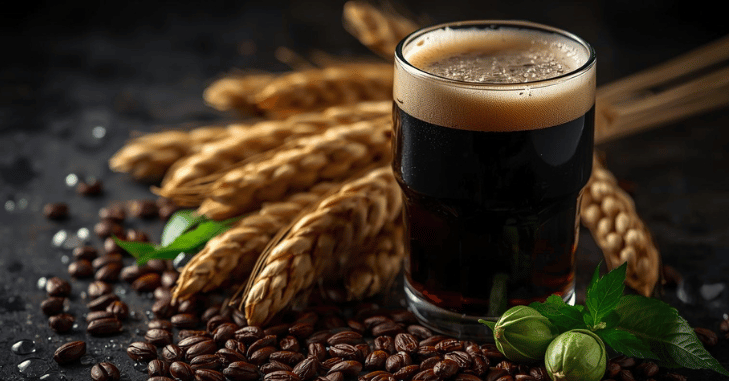
When enjoyed responsibly, Guinness can offer several health benefits thanks to its natural compounds from barley and hops and its nutritional profile. While it’s not a healthy food, moderate consumption may provide some positive effects on the body and mind.
Low-Calorie Beer Option
Guinness is relatively low in calories compared to many other alcoholic beverages, like lagers or ales. A 12-ounce serving contains approximately 125 kcal, making it easier to enjoy without significantly impacting daily caloric intake. When asking if is Guinness is good for you, its lower calorie content makes it a lighter option that can fit into a balanced diet when consumed in moderation.
Contains Antioxidants
Guinness contains polyphenols, a type of antioxidant derived from roasted barley. These antioxidants may:
- Help combat oxidative stress in the body
- Reduce inflammation
- Support cardiovascular health
Some research suggests that the antioxidant content in Guinness is comparable to that of certain fruits an vegetables, although it is not as high. These compounds contribute to the potential protective effects of moderate Guinness consumption.
May Support Heart Health
Moderate consumption of Guinness, like other dark beers, may benefit heart health. The polyphenols in Guinness may:
- Reduce the risk of blood clotting
- Improve circulation
- Help maintain healthy cholesterol levels
Important: These heart benefits are linked to moderate intake—typically one pint per day for women and up to two pints per day for men—and do not apply to excessive drinking.
Small Amounts of Iron
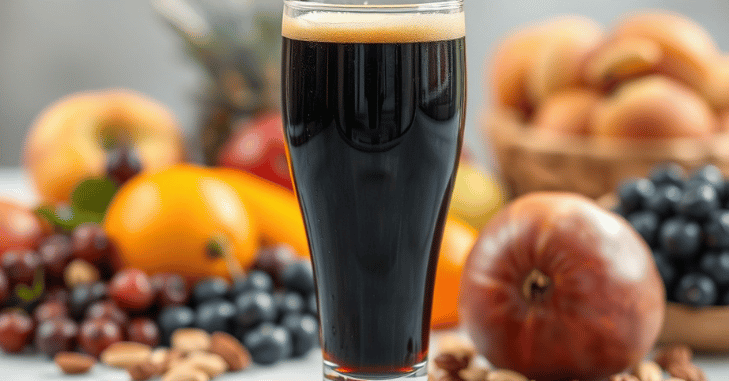
Guinness contains trace amounts of iron, approximately 0.3 mg per 12-ounce serving. While not a significant source of iron, it can contribute slightly to daily intake and may help individuals with minor iron deficiencies However, it should not be relied upon as a primary source of this essential mineral.
Mood and Social Benefits
While not a direct nutritional effect, moderate Guinness consumption can provide mental and social benefits:
- Encourages social interactions
- Reduces stress when enjoyed responsibly
- Promotes a sense of relaxation
These effects highlight how Guinness, when consumed in moderation, can play a role in both physical and mental well-being.
Potential Health Risks of Guinness
Alcohol-Related Risks
- Overconsumption can increase the risk of liver disease, including cirrhosis
- May lead to higher blood pressure
- Can contribute to weight gain from empty calories
- Risk of alcohol dependency or abuse
High Carbohydrate Content
- Contains approximately 10 g of carbohydrates per pint
- May cause blood sugar spikes in diabetic individuals
- Overconsumption can lead to unwanted weight gain
Interactions with Medications
- Alcohol can interfere with certain medications, including:
- Blood thinners
- Antidepressants
- Anti-inflammatory drugs
- Always consult a healthcare provider before combining Guinness with medications
Not Suitable for Certain Individuals
- Pregnant women (risk of fetal alcohol syndrome)
- People with liver conditions or alcohol sensitivity
- Individuals with a history of addiction
Guinness vs Other Beers
| Feature | Guinness Draught | Typical Lager | Ale |
| Calories (12 oz) | 125 kcal | 150 kcal | 180 kcal |
| Carbohydrates | 10 g | 13 g | 15 g |
| Protein | 1 g | 1 g | 1.2 g |
| ABV | 4.2% | 5% | 5-6% |
| Antioxidants | Moderate | Low | Moderate |
| Sodium | 10 mg | 15 mg | 12 mg |
Tips for Drinking Guinness Safely

- Moderation is key: 1 pint per day for women, up to 2 for men
- Avoid binge drinking: Large quantities increase health risks
- Pair with food: Eating protein-rich or fiber-rich meals slows alcohol absorption
- Stay hydrated: Drink water between pints to prevent dehydration
- Check for alcohol interactions: Avoid combining with medications or health conditions that may be negatively affected
Is Guinness Good for Your Heart?
When asking if Guinness is good for you, especially in terms of heart health, several studies suggest that moderate beer consumption, including Guinness, may offer protective effects on cardiovascular health.
This potential benefit is largely attributed to the antioxidants found in Guinness, which can help improve endothelial function, supporting healthy blood vessels, reduce the risk of coronary heart disease, provide mild anti-inflammatory effects, and slightly improve HDL (“good”) cholesterol levels.
It’s important to note that these heart-related benefits apply only to moderate consumption, as excessive alcohol intake can negate any positive effects and pose serious health risks.
Guinness and Weight Management

- Guinness is lower in calories than many other beers, with approximately 125 kcal per pint.
- Overconsumption can contribute to unwanted weight gain, especially if multiple points are consumed frequently.
- Pairing Guinness with high-calorie foods, such as pub snacks, may further increase calorie intake.
- Best enjoyed occasionally rather than as a daily beverage to maintain weight management.
Conclusion
Is Guinness good for you? When consumed in moderation, Guinness can offer certain health benefits, including antioxidants that support heart health, small amounts of iron, and a relatively lower calorie count compared to other beers.
However, it is essential to drink responsibly, as overconsumption can lead to alcohol-related risks, weight gain, and negative interactions with medications.
Enjoying Guinness occasionally, pairing it with nutritious foods, and staying within recommended limits allows you to appreciate its unique flavor while potentially gaining mild cardiovascular and social benefits.
Want to know about The Human Being Diet: Comprehensive Guide to Nutrition, Balanced Eating, Health Benefits, and Optimal Food Choices for Lifelong Wellness, Vitality, and Peak Performance Check out our Health category.
FAQs
Although Guinness has fewer calories than most light beers, it still has more than ultra-lights. Guinness will rank close to the top of the list if you rephrase the query as least unhealthy.
It is advised by experts to abstain from drinking for a minimum of three hours prior to bedtime.
Your kidneys are among the many bodily components that might be impacted by alcohol consumption.