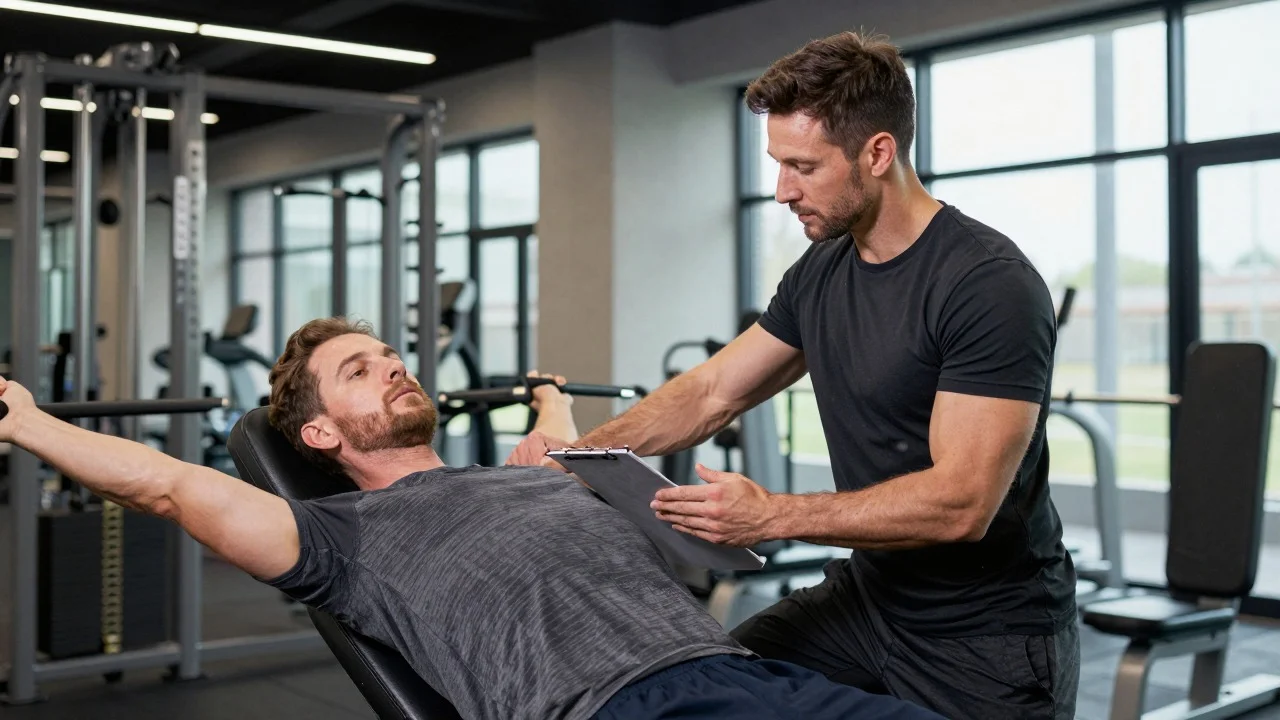
If you are looking at personal training as a career, course pages can make the qualification sound more abstract than the job itself. A careers event, job advert or conversation with a gym brings the question closer to reality. What would you be expected to know when you start working with clients, and what should the training prepare you to do?
A Level 3 personal trainer qualification connects exercise knowledge with client assessment, programme design, coaching, professional practice and basic business skills. Understanding how those areas fit together makes it easier to judge whether the training matches the kind of fitness role you want to pursue.
The Course Builds The Knowledge Behind Day-To-Day Coaching
Anatomy and physiology matter because a personal trainer needs to understand what is happening when a client moves, fatigues or struggles with a particular exercise. Learners study major muscle groups, joint actions, movement patterns and the way the cardiovascular and respiratory systems respond to exercise. The aim is not to memorise terminology for its own sake, but to use that knowledge when planning and adapting sessions.
If you already hold a Level 2 Gym Instructor qualification and want to move into one-to-one coaching, a Level 3 personal trainer course offering online or face-to-face study, practical assessment and CIMSPA endorsement gives you a route into the next stage of training. Before enrolling, check how the study format, assessment process and qualification fit around the type of fitness work you want to pursue.
CIMSPA’s Personal Trainer professional standard covers areas that reflect the job itself, from anatomy and exercise programme design to client motivation, nutrition, communication, professional practice and business acumen. That wider scope matters when the goal is employment rather than simply adding another fitness certificate to a CV.
Client Assessment Shapes The Programme You Eventually Deliver
Personal training starts with the person in front of you. Before a programme is written, a trainer needs enough information about the client’s health, current activity, goals and limitations to make sensible decisions about exercise. Learners therefore need to understand screening, informed consent, fitness assessment and when a concern sits outside their professional scope.
Programme design builds on that information. A client returning to exercise after a long break will not need the same starting point as someone who already trains several times a week. The course should teach learners how to select exercises, set an appropriate level of difficulty, plan progression and review what is working rather than following the same template for every client.
These skills also give you something concrete to discuss with a fitness employer at a careers event or interview. Explaining how you would assess a new client and adjust a programme says more about your readiness for the role than simply saying you enjoy training.
Practical Coaching Turns Technical Knowledge Into Client-Facing Skills
Knowing why an exercise works is only part of the job. A trainer also has to demonstrate movement, notice poor technique, explain corrections clearly and adapt an exercise when the original version is not suitable for the client. Practical assessment matters because these skills are difficult to judge from written work alone.
Coaching also depends on communication. Clients arrive with different levels of confidence, experience and motivation, so instructions need to be clear without becoming overwhelming. Learners should expect to work on consultation skills, exercise instruction, feedback and ways of helping clients stay engaged with a programme.
Professional boundaries belong here too. A personal trainer needs to recognise when pain, injury or another health concern falls outside general fitness coaching and may require physiotherapy or support from another healthcare professional. The qualification should help learners make that distinction and work within an appropriate scope of practice.
Professional Standards Matter Once The Course Becomes A Job
Moving from training into paid PT work brings responsibilities that are easy to overlook when most of your attention has been on exercise. Keeping accurate client records, handling personal data appropriately and managing basic business administration all become part of the working week. For trainers who plan to work independently, pricing, record keeping, marketing and retaining clients also become practical concerns.
Business content has a practical place alongside anatomy and coaching. Learners also need to understand what self-employed work involves, from managing the service itself to handling the administration around client sessions.
CIMSPA endorsement is another useful point to check when looking at a qualification. Endorsed education is aligned with employer-led professional standards, so prospective learners have a clearer benchmark for the knowledge and skills the course is designed to develop. Entry requirements, assessment methods and study format should still be checked individually because these can differ between courses and providers.
Use The Qualification To Make Career Conversations More Specific
A careers fair is more useful when you know what you want to ask. Someone considering personal training can use the qualification content to ask employers about the type of clients they work with, what they expect from newly qualified trainers and how roles are structured. For employers attending these events, those conversations also help identify candidates whose training and practical skills fit the positions they are trying to fill.
The same thinking helps when reading job adverts. Rather than focusing only on the job title, look at the duties attached to the role and notice where they connect with client assessment, programme design, coaching, communication or business development. That gives you a better sense of which parts of the course will matter most once you begin applying.
A Level 3 qualification should prepare you for more than the technical side of exercise. You should finish with a clearer understanding of how personal trainers assess clients, coach sessions and handle the professional responsibilities around the job. When the course content and assessment methods reflect the kind of work you want to pursue, it becomes easier to explain your skills to employers and judge which fitness roles are worth applying for.