After a polarizing second season, True Detective Season 3 saw Nic Pizzolatto return to the roots that made the series a cultural phenomenon. The third installment of the HBO anthology series is a haunting, atmospheric journey through the Ozarks, anchored by a powerhouse performance from Mahershala Ali.
To truly appreciate the depth of this story, we present True Detective Season 3 Explained: Timeline, Ending Breakdown, Cast, Episode Guide, Release Date, Rating, and Hidden Details You Missed. Unlike standard police procedurals, this season treats time as its most formidable adversary. It is a story about the fallibility of memory, the weight of regret, and the ghost of a cold case that refuses to stay buried.
Through the lens of Wayne Hays’ fading consciousness, the narrative blurs the lines between what actually happened and what the mind chooses to remember. Every flashback serves as a fractured mirror, reflecting the heavy psychological toll that obsession takes on the human soul over several decades.
| Key Aspects | Details |
| TV Show | True Detective |
| Season | Season 3 |
| Release Date | January 13, 2019 |
| Total Episodes | 8 Episodes |
| Genre | Crime, Drama, Mystery |
| Creator | Nic Pizzolatto |
| Main Lead | Mahershala Ali (Wayne Hays) |
| Supporting Cast | Stephen Dorff, Carmen Ejogo, Scoot McNairy |
| Setting | Rural Arkansas, USA |
| Timeline Structure | Three timelines (1980, 1990, 2015) |
| Story Focus | Missing children case spanning decades |
| IMDb Rating | Around 8.9/10 |
| Episode Highlights | Deep character arcs, slow-burn mystery, emotional storytelling |
| Ending Summary | Case resolved with Julie alive, but Hays forgets due to memory loss |
| Hidden Details | Symbolism, timeline clues, subtle foreshadowing |
| Where to Watch | HBO, streaming on Max |
| Critical Reception | Highly positive, praised for acting and narrative depth |
| Key Strength | Strong storytelling and emotional depth |
| Weak Points | Slow pacing for some viewers |
The Triple Timeline Strategy
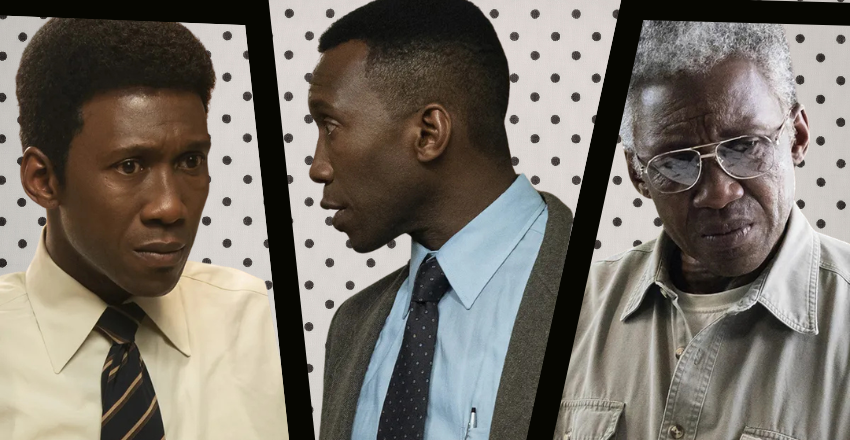
The most distinctive feature of the season is its non-linear structure. To understand the narrative, you must track Wayne “Hays” Purple across three distinct eras.
1. The Year 1980: The Initial Crime
This is the “Day Zero” of the Purcell case. Detectives Wayne Hays and Roland West investigate the disappearance of Will and Julie Purcell in West Finger, Arkansas. We see the discovery of Will’s body and the cryptic “straw dolls” left at the scene.
2. The Year 1990: The Reopening
New evidence surfaces when Julie Purcell’s fingerprints are found at a pharmacy robbery. This timeline explores the fallout of the original investigation and how a decade of stagnation affected the detectives’ lives and careers.
3. The Year 2015: The Final Reckoning
An elderly Wayne Hays, struggling with early-onset dementia, is interviewed for a true-crime documentary. This timeline is the most emotional, as Hays battles his own fading mind to piece together the truth before it is lost forever.
True Detective Season 3: At a Glance
| Feature | Details |
| Release Date | January 13, 2019 |
| Network | HBO |
| Lead Cast | Mahershala Ali, Stephen Dorff, Carmen Ejogo |
| Number of Episodes | 8 |
| IMDb Rating | 8.9 (Season average) |
| Primary Theme | Memory, Loss, and Racial Identity |
The Cast: The Faces of the Ozarks
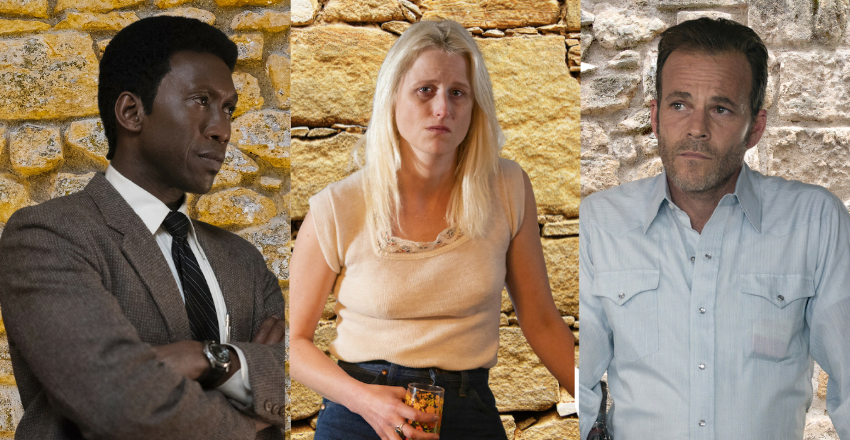
The success of the season rests on the shoulders of its performers. True Detective Season 3 Explained would be incomplete without acknowledging the chemistry between the leads.
- Mahershala Ali (Wayne Hays): A Vietnam veteran and “tracker” whose meticulous nature is both his greatest asset and a source of torment as his memory fails.
- Stephen Dorff (Roland West): Hays’ loyal partner who rises through the ranks but remains tethered to the trauma of the 1980 investigation.
- Carmen Ejogo (Amelia Reardon): A schoolteacher turned author whose book about the case becomes the primary source of information for future generations.
Episode Guide: The Path to the Truth
- “The Great War and Modern Memory”: The kids go missing; the straw dolls are introduced.
- “Kiss Tomorrow Goodbye”: Will’s body is found; suspicion falls on “Trashman” Woodard.
- “The Big Never”: The detectives find a connection to the wealthy Hoyt family.
- “The Hour and the Day”: Tensions boil over in the community; the Woodard shootout occurs.
- “If You Have Ghosts”: In 1990, the investigation focuses on the pharmacy robbery.
- “Hunters in the Dark”: Tom Purcell discovers the “Pink Rooms” beneath the Hoyt estate.
- “The Final Country”: Hays and West reunite in 2015 for one last push.
- “Now I’m Found”: The truth about Julie Purcell is finally revealed.
Ending Breakdown: What Really Happened to Julie Purcell?
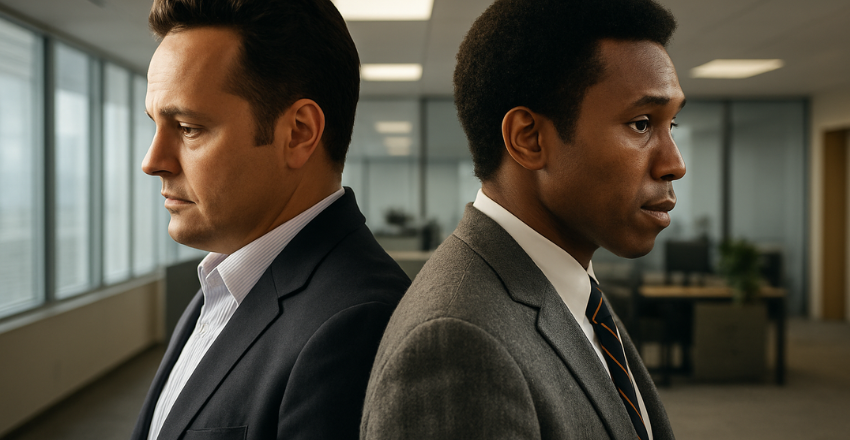
The finale of Season 3 subverted expectations. Instead of a massive occult conspiracy or a pedophile ring (as hinted throughout), the resolution was deeply personal and tragic.
The Hoyt Connection
Isabel Hoyt, suffering from the loss of her own daughter, became obsessed with Julie Purcell. With the help of Mr. June (the man with the one eye), they “bought” Julie from her mother and kept her in a pink room beneath the Hoyt mansion. Isabel drugged Julie with lithium to keep her docile and convinced her she was a princess in a castle.
Julie’s Escape
Julie eventually escaped with the help of Mr. June. She found sanctuary in a convent and was believed to have died from HIV/AIDS years later. However, the final reveal suggests that the “death” was a ruse to help Julie disappear and live a normal life.
The Final Vision
In 2015, Hays actually finds Julie (now living as Lucy) but forgets why he is there the moment he sees her. He chooses to let the mystery go, realizing that her peace is more important than his “solution.” The season ends with a vision of a young Hays disappearing into the jungle of Vietnam—symbolizing the final fading of his identity.
Hidden Details You Missed
While watching, fans often overlook the subtle connective tissue Nic Pizzolatto hid in the frames:
- The Straw Dolls: These weren’t occult symbols but “direction markers” created by Mr. June to help the children find their way through the woods for secret playdates.
- The “Yellow King” Reference: Season 3 briefly mentions the “Carcosa” case from Season 1, implying they exist in the same universe, but clarifies that the Purcell case is grounded in local tragedy rather than cosmic horror.
- Amelia’s Book: The book isn’t just a plot device; the title, “Life and Death and the Harvest Moon,” refers to the cyclical nature of time and the detectives’ inability to escape the past.
Why True Detective Season 3 Stands Out
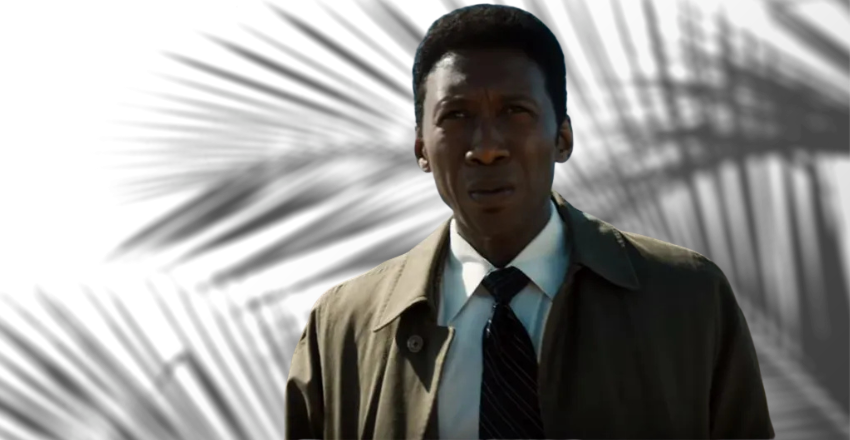
Season 3 is often compared to Season 1—and for good reason. It stands out for its strong, character-driven narrative, which focuses deeply on the personal journeys of its protagonists rather than the crime itself.
The storytelling is cohesive and tightly structured, ensuring that every scene contributes meaningfully to the overall mystery. Additionally, the season delivers an emotional depth that is rarely seen in typical crime dramas, making it more impactful and thought-provoking.
Tips to Better Understand True Detective Season 3
If you found the story confusing, here are some practical tips:
- Pay attention to timeline transitions
- Focus on character dialogue and subtle hints
- Consider rewatching key episodes
These steps can significantly improve your understanding of the plot.
Conclusion
In the grand tradition of the series, True Detective Season 3 Explained: Timeline, Ending Breakdown, Cast, Episode Guide, Release Date, Rating, and Hidden Details You Missed reveals a story that is as much about the detectives as it is about the victims. It is a slow-burning masterpiece that asks whether the truth is worth the cost of the peace we find in forgetting.
By shifting the focus from “whodunnit” to “how it felt,” Season 3 reclaimed the show’s throne as a premier crime drama. Whether you are rewatching for the subtle clues or experiencing the tragedy for the first time, Wayne Hays’s journey remains one of the most powerful arcs in modern television.
Want to know about Next James Bond Actor Check out our Entertainment category.
FAQs
Only through a brief mention of the Rust Cohle and Marty Hart case in a newspaper clipping. They share a universe, but the stories are independent.
Season 1 was about the triumph of light over dark. Season 3 is about the triumph of love and peace over the need for “justice” that often causes more harm than good.
The season is rated TV-MA for graphic language, violence, and adult themes. It is intended for a mature audience.
Critics and medical professionals praised Ali for his nuanced portrayal of cognitive decline, showing the frustration and momentary clarity associated with the condition.