Lower back pain is a growing problem in today’s fast-paced world. It affects people from all walks of life, including office workers, students, athletes, and individuals with physically demanding jobs. Choosing the best mattress for lower back pain is not only about comfort. Many people try to manage this pain through exercise, stretching, or medication, yet they often overlook one of the most important factors: the mattress they sleep on every night.
It plays a vital role in maintaining proper spinal alignment, reducing pressure on sensitive areas, and helping your body fully relax during sleep. Since you spend nearly one-third of your life in bed, your mattress directly impacts how your body recovers and performs each day.
When a mattress fails to provide proper support, it can cause your spine to fall out of alignment, increase muscle tension, and create pressure points. As a result, you may wake up feeling stiff, tired, and already in discomfort. On the other hand, the right mattress supports your natural posture, improves sleep quality, and helps reduce ongoing pain over time.
Lower Back Pain Relief: Mattress Buyer’s Quick Reference
| Feature or Category | Recommendation & Key Detail |
| Primary Goal | Neutral spinal alignment and lumbar lift. |
| Best Overall Hybrid | Simba Hybrid Pro: Balanced springs and foam. |
| Best Chronic Pain Pick | Saatva Rx: Targeted orthopedic support. |
| Best Memory Foam | Emma Original: Deep pressure point relief. |
| Best Luxury Model | Pinnacle 5000: High-density pocket springs. |
| Best Value Option | Nectar Classic: Quality foam at a lower price. |
| Medium-Soft (5-6) | Ideal for lightweight side sleepers. |
| Medium-Firm (6-7) | Universally recommended for back pain. |
| Firm (8-9) | Best for stomach sleepers and heavier frames. |
| Hybrid Benefit | Superior airflow and active “push-back.” |
| Memory Foam Benefit | Maximum contouring and motion isolation. |
| Zoned Support | Firmer center third to prevent hip sagging. |
| Side Sleeper Focus | Soft shoulder zone to prevent spinal twisting. |
| Back Sleeper Focus | Contoured lumbar fill for natural curvature. |
| Stomach Sleeper Focus | Extra-firm surface to protect the pelvis. |
| Cooling Tech | Gel-infused layers or copper-woven covers. |
| Edge Support | Reinforced perimeters for easier entry/exit. |
| User Feedback: Hybrid | Preferred for durability and “bouncy” feel. |
| User Feedback: Foam | Praised for “weightless” feel and silence. |
| User Feedback: Trial | Most users need 3 weeks to adjust to firmness. |
| Trial Period | Minimum 100 nights for spinal adjustment. |
| Warranty | Aim for 10-year minimum or Lifetime coverage. |
| Density Metric | High-density foam prevents long-term sagging. |
| Orthopedic Pick | Dormeo Octasmart: Breathable 3D support. |
| Expert Verdict | Medium-Firm Hybrid offers the best balance. |
Why Your Mattress Plays a Key Role in Lower Back Pain?
Your spine naturally curves, and it needs consistent support while you sleep. If your mattress does not support these curves properly, your body is forced into unnatural positions.
Over time, this can lead to:
- Increased pressure on the lower back
- Muscle stiffness and fatigue
- Interrupted sleep cycles
A supportive mattress helps keep your spine in a neutral position. This allows your muscles to relax, reduces strain, and promotes deeper, more restorative sleep. Many people notice a clear improvement in their comfort levels simply by switching to a better mattress.
Memory Foam vs Hybrid Mattress: Which Should You Choose?

Understanding the different types of mattresses is essential before making a decision. The two most popular options for back pain relief are memory foam and hybrid mattresses.
Memory Foam Mattress
Memory foam is designed to adjust according to your body shape. It responds to heat and pressure, creating a contour that supports your body evenly.
Advantages
- Provides excellent pressure relief
- Distributes weight evenly
- Reduces stress on joints
- Minimizes motion transfer
Considerations
- Can feel warmer during sleep
- May lack strong support for heavier individuals
- Slower response when changing positions
Best suited for people who prefer a softer, body-hugging feel and need pressure relief.
Hybrid Mattress
Hybrid mattresses combine foam layers with a coil support system. This combination offers both comfort and structure.
Advantages
- Strong and stable support
- Better airflow for a cooler sleeping experience
- Easier movement on the surface
- Long-lasting performance
Considerations
- Higher price compared to basic foam mattresses
- Slight motion transfer compared to memory foam
Ideal for sleepers who want a mix of comfort and firm support.
What Firmness Level Works Best for Lower Back Pain?
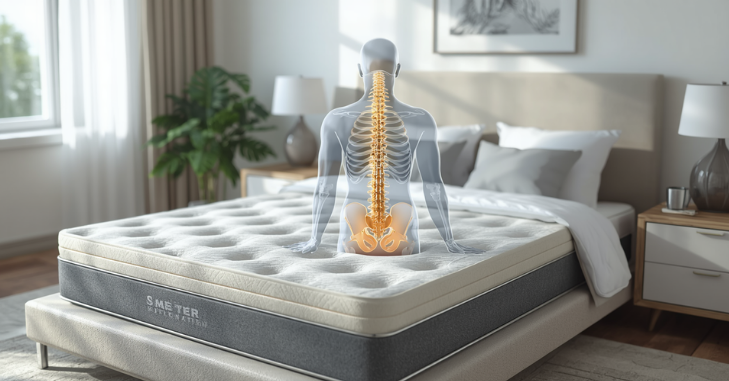
Firmness level is a key factor when selecting a mattress.
Medium-Firm: The Ideal Balance
A medium-firm mattress provides a balanced feel. It is soft enough to cushion pressure points but firm enough to support the spine.
Why Very Soft or Very Firm Mattresses Are Not Ideal?
- Too soft: Causes the body to sink, leading to poor alignment
- Too firm: Puts pressure on certain areas and reduces comfort
The right firmness depends on your body weight and sleeping style, but medium-firm is generally suitable for most people dealing with back pain.
How Your Sleeping Position Affects Mattress Choice?

Your sleeping posture plays a major role in how your mattress supports your body.
Side Sleepers
Side sleepers need extra cushioning for their shoulders and hips. A mattress with good pressure relief helps prevent discomfort.
Recommended: Softer memory foam or a plush hybrid
Back Sleepers
Back sleepers require even support to maintain the natural curve of the spine.
Recommended: Medium-firm mattress with balanced support
Stomach Sleepers
Stomach sleepers need a firmer surface to keep their hips from sinking too much.
Recommended: Firm mattress for better alignment
Real User Insights: What People Actually Experience?

Real-life experiences often highlight what truly matters when choosing a mattress.
Many users report that:
- Medium-firm mattresses improve morning comfort
- Hybrid designs offer better durability
- Lower-quality mattresses lose shape quickly
- Investing in a good mattress leads to noticeable improvements in sleep
A common takeaway is clear:
Long-term support and durability are more important than brand popularity.
People who replace old or sagging mattresses often experience better sleep within a short period.
Essential Features to Look for in the Best Mattress for Lower Back Pain

When shopping for a mattress, focus on features that directly impact comfort and support.
Spinal Support
The mattress should maintain proper alignment without forcing your body into awkward positions.
Targeted Support Zones
Some mattresses provide additional support in areas like the lower back for improved comfort.
Pressure Relief
Soft upper layers help reduce pressure on joints and muscles.
Durable Materials
High-quality materials prevent sagging and extend the mattress’s lifespan.
Cooling Design
Breathable materials help regulate temperature and improve sleep quality.
Edge Stability
Strong edges provide better support when sitting or lying near the sides.
Motion Control
Important for couples to avoid disturbances during sleep.
Common Mistakes to Avoid

Avoid these common errors when choosing a mattress:
- Choosing a mattress based only on price
- Ignoring your body type and sleeping position
- Assuming firmer is always better
- Overlooking warranty and trial options
- Ignoring personal comfort and unthinkingly following popular trends when choosing a mattress.
Making an informed decision helps you avoid discomfort and unnecessary expenses.
Additional Tips to Reduce Lower Back Pain While Sleeping
Your mattress is important, but other factors also affect your sleep quality.
Use a Supportive Pillow
A proper pillow keeps your neck aligned with your spine.
Maintain Proper Sleep Posture
Try to avoid positions that twist or strain your body.
Stretch Regularly
Doing light stretching exercises before going to sleep can help loosen tight muscles and promote relaxation.
Replace Old Mattresses
Even the best mattress loses support over time and needs replacement.
Step-by-Step Guide to Choosing the Right Mattress

Use the following steps to make your decision more straightforward.
- Identify your sleeping position
- Start with a medium-firm option
- Choose between memory foam or hybrid
- Check material quality and durability
- Read genuine user feedback
- Look for a trial period and a warranty
Prioritize lasting comfort and support instead of temporary softness.
Conclusion
Selecting the best mattress for lower back pain is an important step toward improving your overall well-being. A good mattress supports your spine, reduces pressure, and allows your body to recover properly during sleep. Hybrid mattresses are often a strong choice due to their combination of support and comfort, while memory foam works well for those who need extra cushioning.
The key idea“is simple:
“A mattress should support your body’s natural alignment instead of working against it.”
By choosing the right mattress, you can improve your sleep quality, reduce discomfort, and wake up feeling more refreshed and ready to take on the day.
Want to know about Cable Lateral Raises: The Ultimate Shoulder-Sculpting Exercise for Strength, Definition, Symmetry, and More Info Check out our Health category.
Frequently Asked Questions (FAQs)
A medium-firm mattress, especially a hybrid design, is commonly recommended for balanced support and comfort.
Yes, it helps reduce pressure and supports proper alignment, especially for side sleepers.
Not always. Medium-firm usually provides better overall support and comfort.
If you wake up feeling sore or stiff and feel better as the day progresses, your mattress may be the issue.
Most people adapt within a few weeks as their body adjusts to the new level of support.