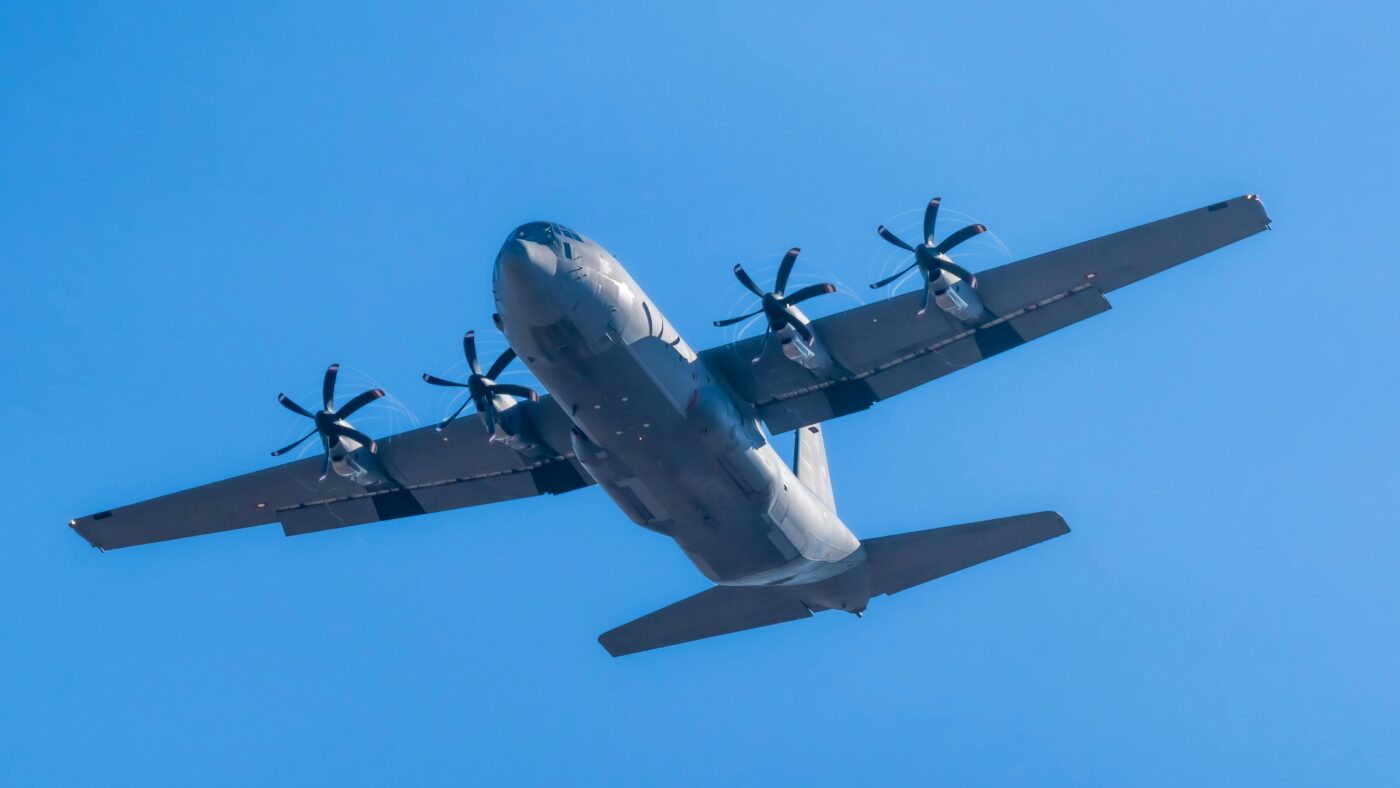
Safe aircraft movement is one of the most important responsibilities in any aviation environment. Whether operating in a private hangar, a maintenance facility, or a busy commercial ramp, every movement must be executed with precision and care. Ground crews rely on clear communication, dependable equipment, and well‑defined procedures to protect both personnel and aircraft. By strengthening these practices, operators can reduce risks, improve efficiency, and maintain a consistently safe working environment. Understanding the key elements that contribute to safer aircraft movement helps ensure that every operation is handled with confidence and professionalism.
Use Reliable and Well Maintained Equipment
The quality and condition of ground handling equipment play a major role in overall safety. Tools that are worn, outdated, or improperly maintained increase the risk of unexpected failures during towing or repositioning. Regular inspections, timely repairs, and adherence to manufacturer guidelines help ensure that equipment performs consistently.
Many operators explore dependable options such as an airplane tug for sale when they want to improve safety and reliability. High quality towing equipment provides better control, smoother handling, and more predictable performance, all of which contribute to safer aircraft movement. When crews can trust their tools, they can focus fully on executing tasks with precision.
Strengthen Communication Among Ground Crews
Clear communication is essential for coordinating safe aircraft movement. Ground crews must understand their roles, anticipate each other’s actions, and maintain constant awareness of their surroundings. Using standardized signals, maintaining visual contact, and confirming instructions before movement begins all help reduce the risk of miscommunication.
Consistent communication also supports smoother workflows. When everyone understands the plan and stays aligned throughout the process, aircraft can be moved efficiently without compromising safety. Strong communication habits become even more important in busy or high pressure environments.
Establish and Follow Standardized Procedures
Standardized procedures create a reliable framework for safe aircraft movement. These guidelines outline the steps required for towing, parking, and repositioning aircraft, ensuring that every task is performed consistently. Procedures may include pre movement checks, designated walking paths, and specific positioning techniques.
Following established protocols helps prevent errors and ensures that all team members operate with the same expectations. When procedures are clear and consistently applied, crews can work more confidently and reduce the likelihood of accidents or oversights.
Maintain a Clean and Organized Work Area
A cluttered or poorly maintained ramp or hangar floor can create hazards that interfere with safe aircraft movement. Debris, tools, or misplaced equipment can obstruct pathways or cause slips and trips. Keeping the work area clean and organized supports smoother movement and reduces the risk of unexpected obstacles.
Proper lighting, clear markings, and designated storage areas also contribute to a safer environment. When the workspace is orderly, crews can focus on the task at hand and navigate the area with greater ease and awareness.
Provide Ongoing Training and Skill Development
Ground handling requires skill, attention, and familiarity with both equipment and procedures. Regular training ensures that team members stay current with best practices and understand how to respond to changing conditions. Training sessions may cover equipment operation, communication techniques, safety protocols, and emergency procedures.
Ongoing skill development also helps new team members integrate smoothly into the operation. When everyone receives consistent training, the entire crew benefits from shared knowledge and a unified approach to safety.
Encourage Situational Awareness at All Times
Situational awareness is one of the most important elements of safe aircraft movement. Ground crews must remain alert to their surroundings, including aircraft positions, vehicle traffic, weather conditions, and potential hazards. Staying aware helps prevent collisions, missteps, and other incidents that can occur when attention lapses.
Encouraging a culture of awareness means reminding team members to stay focused, avoid distractions, and communicate concerns immediately. When situational awareness becomes a shared priority, the entire operation becomes safer and more efficient.
Conclusion
Improving safety during aircraft movement requires reliable equipment, strong communication, standardized procedures, an organized workspace, ongoing training, and consistent situational awareness. By reinforcing these practices, aviation teams can protect personnel, safeguard aircraft, and maintain smooth, efficient operations across every stage of ground handling.
Apart from that, if you want to know more about Capsule Hotel London: Cutting-Edge, Innovative Lodging Solutions for the Modern Travelers then visit our Travel category.